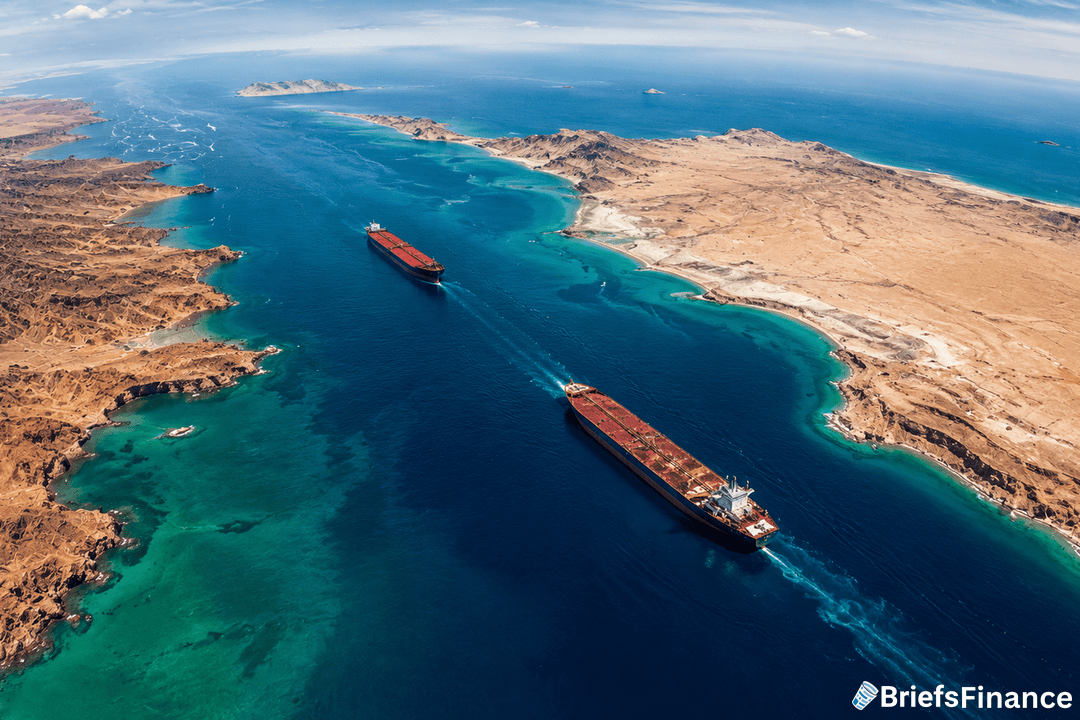
Iran wants a cut of every ship that passes through one of the world's most important waterways. Now it is trying to write that demand into the rulebook. Oman has been pulled into the talks.
The Iranian envoy to France, Mohammad Amin-Nejad, said this week that the two countries are working on a "permanent" toll system. It would formalize Iran's control over Strait of Hormuz traffic.
What Iran Is Proposing
The basic idea is a toll booth for one of the most important shipping lanes in the world.
"This will entail costs, and it goes without saying that those who wish to benefit from this traffic must also pay their share," the envoy told Bloomberg in Paris. He added that the system will be transparent.
Iran has already started running a rough version of this. The new body in charge is called the Persian Gulf Strait Authority. Some ships are getting payment requests of up to $2 million for safe passage.
Iran says China and South Korea have quietly worked with its Revolutionary Guard navy to get vessels through. Oman's government has not commented.
Market Briefs turns this kind of news into what it actually means for markets in five minutes a day, with a free investing masterclass when you sign up.
Why Hormuz Matters So Much
The Strait of Hormuz is only about 24 miles wide at its narrowest point. It sits between Iran and Oman.
Before the war, about 135 ships moved through it every day. The strait carries about a fifth of the world's oil and liquefied natural gas. Aluminum and fertilizers move through too.
Traffic has dried up since the fighting started in late February. Iran has blocked most ships. The US has been blockading Iranian ports. The result has rippled across markets. Energy prices have soared. Bonds have sold off as inflation worries grow.
Iran says 26 ships passed through between Tuesday and Wednesday. That would be high for recent weeks. It is still well below the pre-war flow. Kalshi traders now see the strait reopening by September, pushed back from July as the fighting drags on.
The Pushback
The US, Europe, and Gulf Arab states like Saudi Arabia say the strait is international waters. They are not going to recognize Iran's claim quietly.
The head of the UAE's main oil firm put it plainly. "Once you accept that a single country can hold the world's most important waterway hostage, freedom of navigation as we know it is finished," Sultan Al Jaber said this week.
Trump has flip-flopped on it. He once said the US could charge fees itself. Then he told Iran it "better not be" thinking about tolls.
What To Watch
Iran and the US agreed to a fragile ceasefire on April 8. Peace talks are running through Pakistan. Both sides have said they are ready to start fighting again.
The toll system is one of the biggest sticking points left.
Get the morning read on stories like this delivered every weekday, with a 45-minute investing course as a bonus.