Iran just turned up the volume.
Iran's Revolutionary Guard warned Wednesday a new US or Israeli strike pushes the war past the Middle East.
The White House said the same day it is in no hurry to act.
The ceasefire is still in place, but the threats are not.
What Iran Said
The Guard is Iran's paramilitary force. It put out the warning through the semi-official Mehr news agency.
One line stood out: any new attack brings "crushing blows" to places the US and Israel cannot imagine.
That is the most direct escalation language from Tehran since the war began.
Hours earlier, Trump said he wanted "few people killed, as opposed to a lot."
Trump also said Iran is "decimated."
The Real Pressure Point Is Hormuz
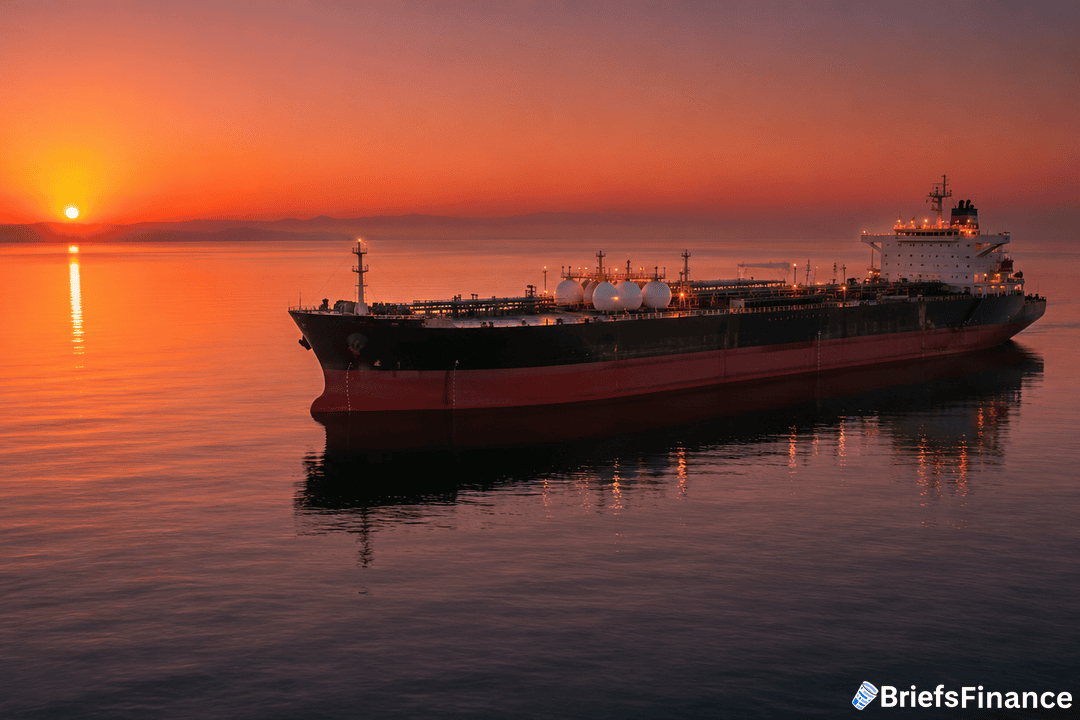
For investors, the story is not the war of words. It is the shipping route.
About 20% of the world's oil and gas normally moves through the Strait of Hormuz.
Traffic has nearly stopped since the war began on Feb. 28. That is the lever Iran has been holding for almost three months.
A paper ceasefire has not changed what is happening on the water.
Both sides are still fighting for control of the strait. That is what keeps gas prices high.
It is also what keeps the war on every investor's risk radar.
Lower earners feel the pinch first when gas prices spike. They spend a bigger share of every paycheck at the pump.
Get Market Briefs every morning in five minutes, plus a free investing masterclass when you sign up.
Mixed Signals From The White House
Trump told lawmakers Tuesday the conflict would end "very quickly." Iran wants a deal, he said.
He said he was "an hour away" from a Tuesday strike before being talked down.
Vance went the other way the same day. He said neither Trump nor Tehran wanted the fighting to start again.
He called the talks "pretty good."
Vance put it bluntly. His line: "This is not a forever war. We're going to take care of business and come home."
The White House first pegged the war at four to six weeks. It is now closing in on three months.
Polls show Americans are turning against the war in growing numbers.
The Sector Read For Investors
Defense names tend to ride higher on talk like this.
Energy names move with Hormuz headlines, since strait shutdowns push oil and gas prices up fast.
Airlines and shippers feel that pain, with higher fuel costs eating into profit.
Travel demand can shift, with flyers avoiding the Gulf when headlines get loud.
Big tech and AI names face their own risk. Chip supply chains run through allies in the region, so a wider war could hurt them.
What To Watch
Iran says the next strike triggers a wider war.
Trump says he is in no hurry while the Strait of Hormuz stays shut.
Three positions, one stalemate.
Sign up for Market Briefs and get a free 45-minute investing course as a bonus.