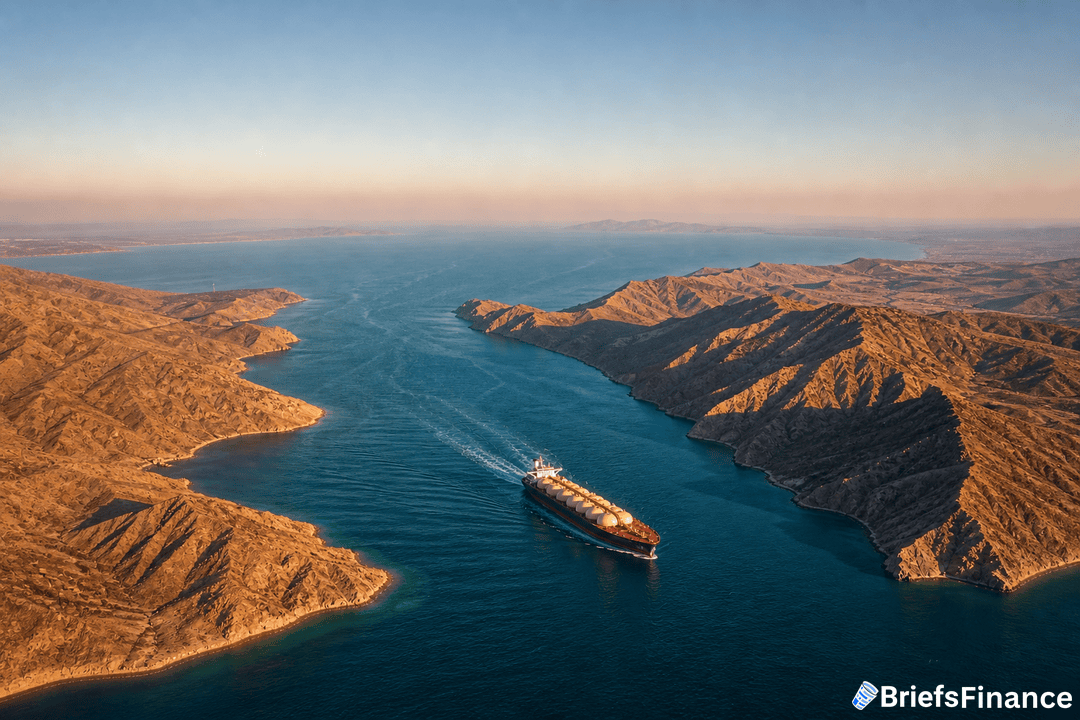
Iran is trying to peel the most expensive part of the war off the table first by reopening the closed Strait of Hormuz. Nuclear talks would come later. Trump told reporters Saturday he had heard the "concept" of the deal but was not ready to sign anything.
What Iran Is Putting On The Table
The proposal went to U.S. mediators in Pakistan and runs 14 points long. The headline trade is simple: reopen the strait now, settle the nuclear question later.
In return, Iran wants the U.S. to lift its blockade of Iranian ports, release Iran's frozen assets, pay damages, end sanctions, and pull U.S. forces back from regions around the country.
Tehran is also asking that any future deal recognize Iran's right to enrich uranium for peaceful purposes, even if it agrees to suspend its program for now. The proposal also includes a new control system for the strait.
A senior Iranian official said the new framework moves the harder nuclear talks to the final stage. The goal, the official said, is to make a deal easier to reach.
Trump's Response: Maybe, But Not Yet
Boarding a flight to Miami, Trump told reporters he had been briefed on the framework but not the wording. He posted on his social media channel that he could not imagine the proposal would be acceptable. He said Iran "had not paid a big enough price for what it had done."
Asked if strikes could restart, Trump said: "If they misbehave, if they do something bad, right now we'll see. But it's a possibility that could happen."
Trump said Friday that "on a human basis," he does not prefer keeping the war going. He told congressional leaders he did not need their permission to extend the war beyond a deadline set by law.
Iran's foreign minister said this week that Tehran is ready for diplomacy if the U.S. changes its approach. Trump has said for months that Iran can never have a nuclear weapon.
The first U.S. strikes came in February in the middle of nuclear talks. Washington has said it will not end the war without a deal that blocks Iran from a nuclear weapon. Iran says its nuclear program is peaceful.
Why It Matters For Oil And Politics
The strait has been closed or severely restricted for more than two months. That has choked off about 20% of the world's oil and gas supplies. Oil prices climbed above $125 per barrel during the war and remain high.
Iran has been blocking nearly all shipping from the Gulf except its own for over two months. Last month, the U.S. imposed its own blockade of ships from Iranian ports.
There is also a political clock running. The midterm congressional elections are in November, and higher gas prices are becoming a domestic problem for Republicans. The war has caused the biggest disruption ever to global energy supplies, raising worries about a wider downturn.
What's Next
The U.S. and Israel suspended their bombing campaign about four weeks ago, but no deal has come together. Iran's new sequencing - strait first, nuclear later - is the first real shift since the ceasefire.
The Iranian official said Tehran sees the new framework as a meaningful change aimed at making a deal easier to land. Trump is reading the wording.