Markets spent Monday celebrating the Iran-U.S. deal. Stocks rose, oil fell, and the mood turned hopeful.
The IMF picked the same day to wave a caution flag. Its message was simple: the deal helps, but the damage isn't done.
The fund's job is to watch the global economy and step in when countries hit trouble.
Markets Cheered, The IMF Didn't
A peace deal is supposed to be the all-clear. But the world's top money watchdog isn't ready to call it that.
IMF chief Kristalina Georgieva said energy supplies will take time to come back, since the Strait of Hormuz was shut for more than three months.
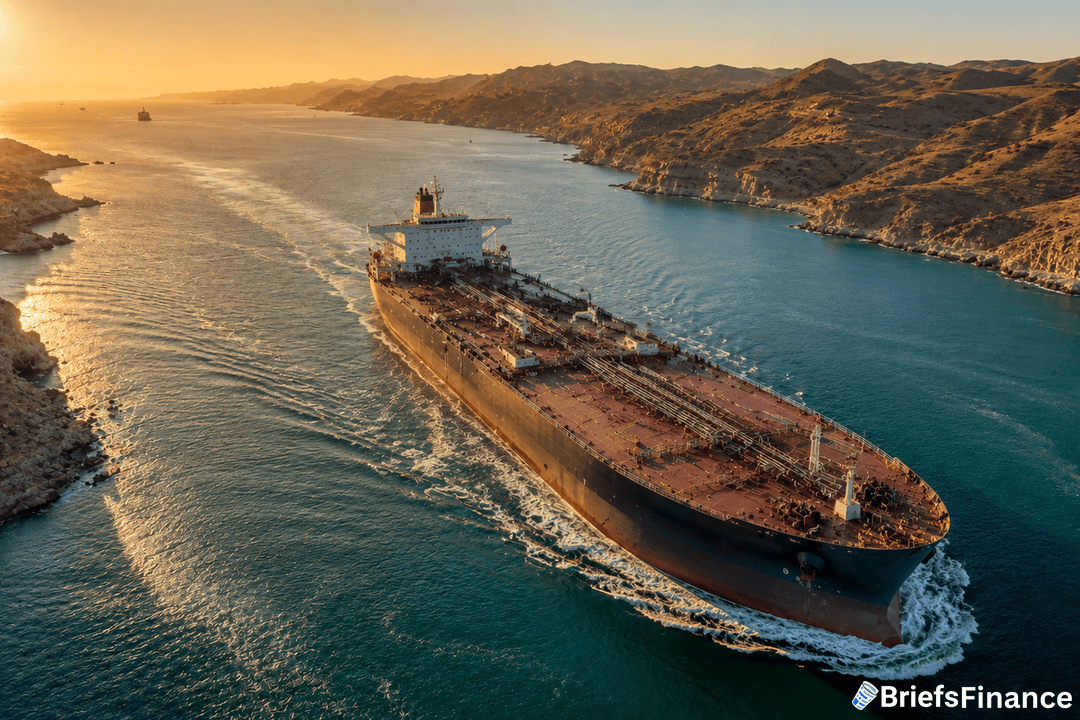
That strait is the narrow lane that ships a big share of the world's oil. About a fifth of global supply normally passes through it.
On Monday, oil prices fell hard and gold climbed as traders bet the worst was over. Brent crude dropped about 4.6%, and gold rose nearly 3%.
"That the global economy is so far weathering the shock is cause for reassurance, but not complacency," she wrote.
The full terms of the deal still aren't clear, which is part of why she's careful. A handshake is not the same as a signed, lasting peace.
Market Briefs cuts through the noise on stories like this in five minutes each morning. Signing up comes with a free investing masterclass.
Why The All-Clear Isn't Real Yet
Georgieva said prices, inflation, and financial conditions have all taken a hit. But none of it yet signals a global slowdown.
The pain is also uneven. Bangladesh has asked for a new IMF loan, and Ethiopia wants its funding moved up to this year.
Both are feeling the squeeze from costlier energy.
She did point to one bright spot. Heavy spending on AI and data centers softened the blow for the U.S. and parts of Asia.
Those investments kept growth going even as energy got pricey. Asian economies with strong tech exports felt the same lift.
That tech spending is one reason the shock hasn't tipped the world into a slump.
Most other countries haven't felt that lift yet. That gap is what worries her most.
She called it a risk of deeper divergence, where rich and poor nations drift further apart.
For now, she said, most countries want clear advice more than they want a bailout.
What To Watch
The risk now isn't one big crash. It's a slow split between countries that can take the shock and ones that can't.
The coming weeks will show how fast oil and shipping return to normal.
The strait reopening should help, but supply won't bounce back overnight. Tankers, ports, and shipping routes all take time to return to normal.
Wall Street is treating the war as over, while the IMF is treating it as a wound that's still healing.
Get the morning read that ties headlines like this to your portfolio. Join Market Briefs here and get a free 45-minute investing course included.