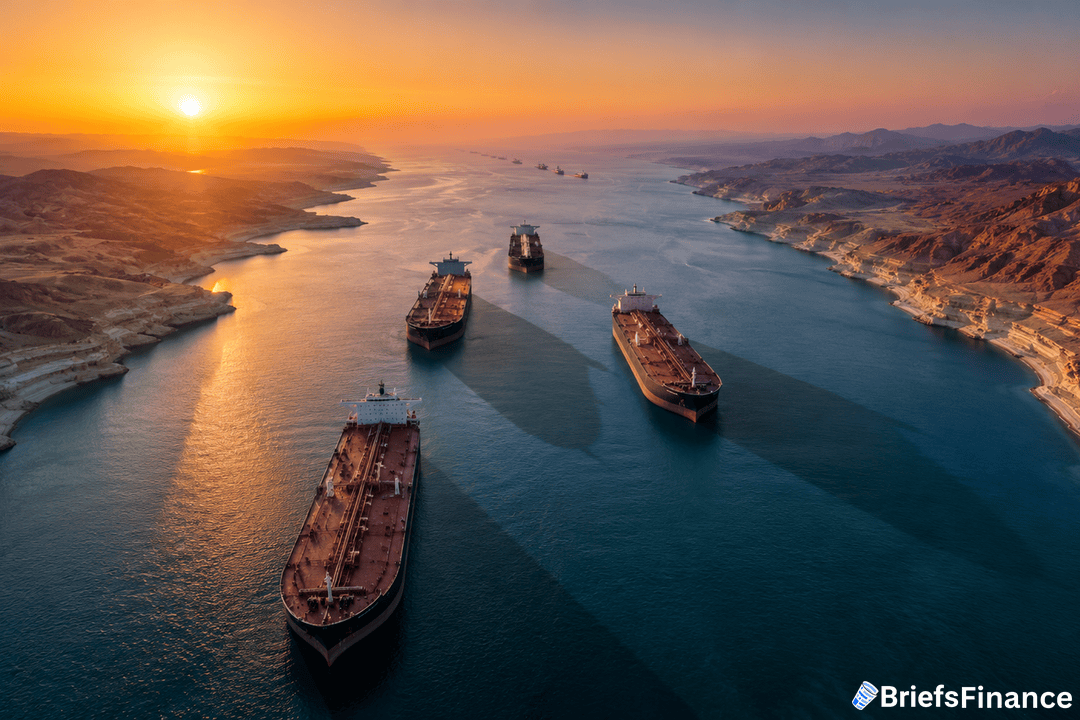
Two things are about to collide. The world is burning through what's left of its oil cushion, and the summer travel season is just starting.
That's the warning the head of the International Energy Agency dropped on Thursday, with Executive Director Fatih Birol saying oil markets "may be entering the red zone in July or August" if the Strait of Hormuz doesn't reopen and no new Middle East supply comes online.
Why The Strait Matters So Much
Roughly 20% of the world's oil and liquefied natural gas - natural gas chilled to liquid form for transport - normally travels through the Strait of Hormuz.
Shipping traffic has basically halted since Feb. 28, when U.S. and Israeli-led strikes against Iran began, which is why Birol called a full and unconditional reopening of the strait the single most important fix to the energy shock.
The IEA already coordinated a 400 million barrel release from strategic reserves back in March - the largest such action in the agency's history - and Birol said the agency stands "ready to act" again if needed.
For five-minute morning reads on stories like this oil shock, Market Briefs is where investors are starting their day - plus you grab a free 45-minute investing masterclass when you sign up.
The Stockpile Cushion Is Wearing Off
When the war started, the global market had a surplus of oil sitting in storage that helped absorb the shock - and those stocks are now eroding, Birol said.
Barclays' head of European equity strategy Lydia Rainforth put the scale of it plainly. "This is the largest supply outage that we've ever had. We're now exceeding a billion barrels of lost production and that's going to take a long time to ... normalize, even if the Strait opens tomorrow."
That's the part investors are starting to price in, with Brent crude trading near $107 a barrel and WTI around $101 - both up roughly 45% since the Iran war began.
What To Watch
Birol said the heaviest pain will fall on developing Asia and Africa, and he's just as worried about global food security as he is about energy.
Middle East oil production and refining, he added, will take "a lot of time" to return to pre-war levels.
The cushion that kept oil markets from breaking is running out. The travel season hasn't even started.
Sign up for Market Briefs here and get the daily newsletter plus a free investing course thrown in.