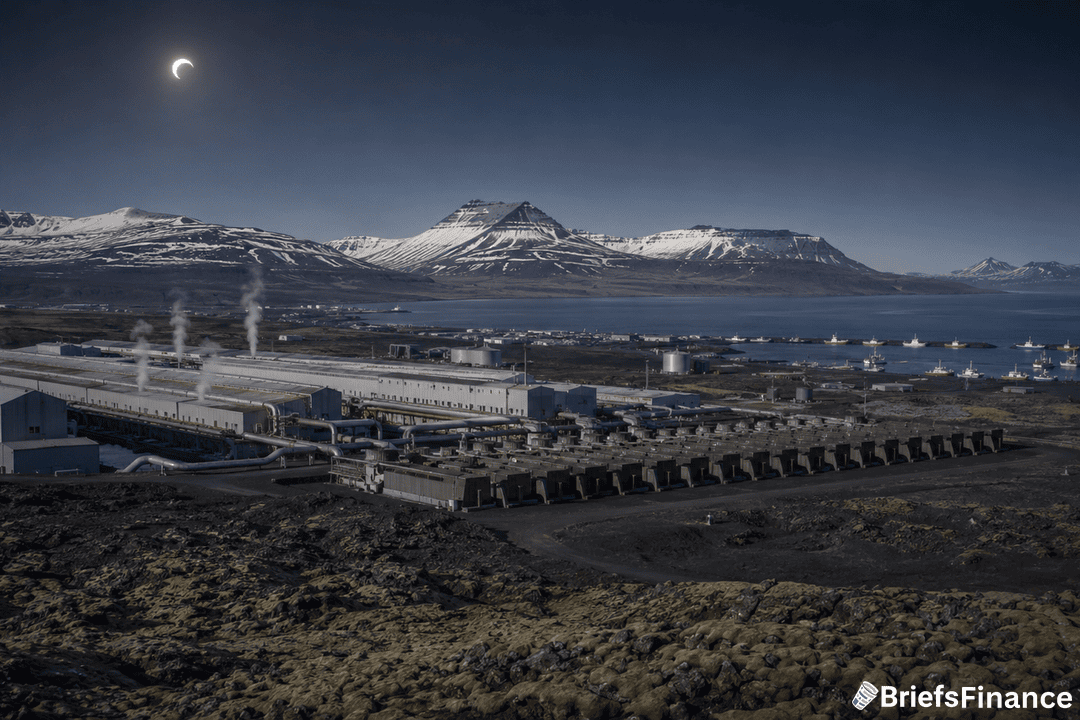
While most central banks are cutting, Iceland is going the other way.
The Central Bank of Iceland pushed its key rate to 7.75% on Wednesday, up from 7.50% in March.
Prices are now rising more than 5% a year, which is far above the bank's 2.5% goal.
The things driving the heat this time aren't the usual ones.
Why Iceland Is Different
The Iceland economy runs on three big inputs: aluminum, fish, and tourists.
Aluminum is the most surprising one.
Smelters there run on cheap green power from rivers and steam, making them some of the lowest-cost in the world, so strong global metal prices flow right back into local wages and spending.
Cod is the next big leg, with most of the catch sold abroad.
The krona moves in step with that flow, so a strong cod year tends to mean a strong currency.
Tourism is the third, and when that runs hot, hotels, food, and rentals get pricey fast.
Right now, all three are pushing the same way. Up.
If you want this kind of read on big macro moves, Market Briefs lays it out in five minutes a day - and you get a free 45-minute investing class when you sign up.
The Eclipse Wild Card
A full solar eclipse will pass over Reykjavik on August 12.
It's the first one to cross Iceland since 1954, and the first over Reykjavik since 1433, sending tour groups to book out the city and pushing hotels to quote rates that look more like New York than Iceland.
That kind of one-off surge is great for growth but bad for prices, with pay in food and hotel jobs already moving up while short-term rentals run hot months before the date.
Pile that on top of strong aluminum and a mixed fishing year, and the economy is too warm for the bank's taste.
What To Watch
Iceland's pay deal has a trip wire built in.
If yearly price growth is still above 4.7% on September 1, the deal can be called off and pay talks reopen.
That would likely lead to a new round of pay hikes, which tend to feed more price growth, with the rate panel making it clear it's willing to keep hiking if that happens and Governor Asgeir Jonsson saying the price outlook has already gotten worse.
The bottom line: the aluminum boom may run for years and the cod cycle keeps shifting, but the eclipse will be gone in two minutes - and the rate path it helped shape may take a lot longer to reverse.
The next rate vote is set for August 19, about a week after the eclipse, with markets already leaning toward no cuts in Iceland this year.
That's a sharp gap from the rest of Europe, where most rate panels are leaning the other way.
For investors with cash in Iceland's bond market, the move means yields stay high for now, while visitors planning an eclipse trip will find the already-strong krona a touch stronger too.
If you want the rate moves and macro stories that actually move markets, join 350,000+ readers of Market Briefs each morning - and grab a free 45-minute course on finding investments as a bonus.