Investing is not a one size fits all approach. Some […]

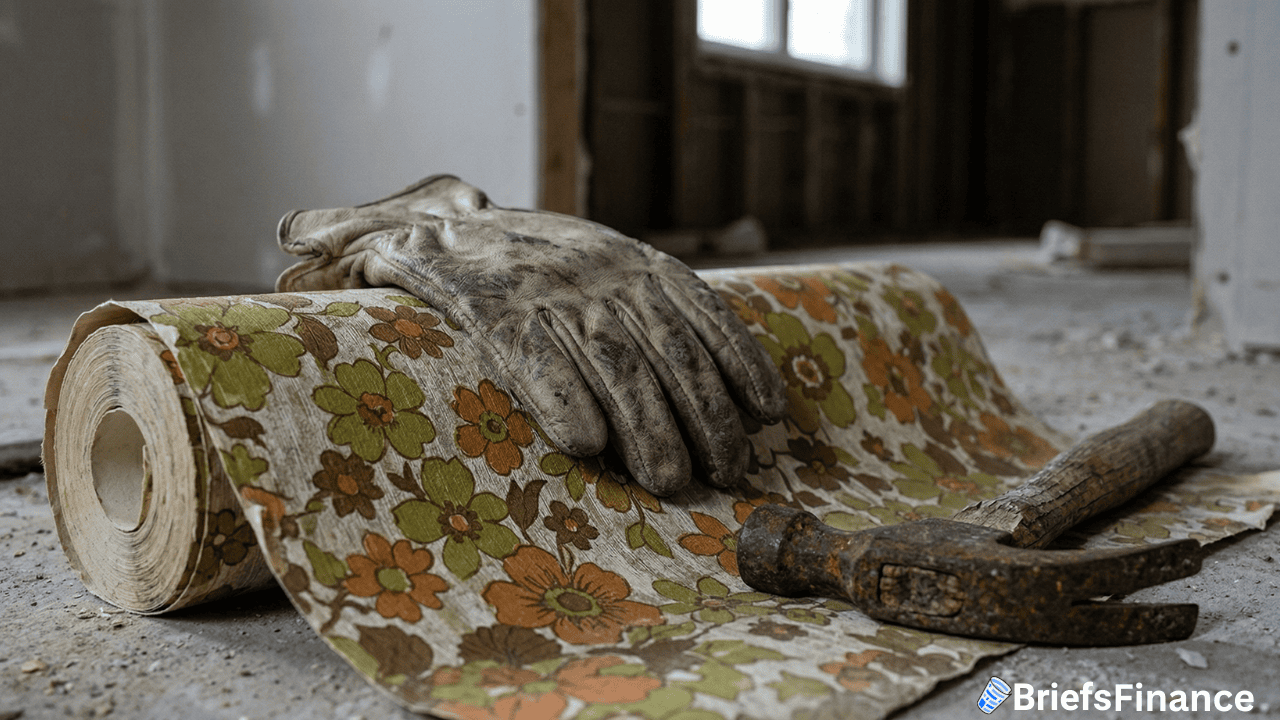
Record home prices were supposed to be good news for anyone selling property. For investors who buy, renovate, and resell houses, the math is working in reverse.
ATTOM's year-end report shows the typical flip earned about $66,000 before renovation costs in 2025. A year earlier, that number was $77,000 - and the return on investment fell to 25.5%, a mark that hasn't been this low since the 2008 meltdown.
The Squeeze Is Coming From Both Sides
Buying a fixer-upper costs more than it used to. The median purchase price for a flipped property hit $259,000 last year, while the median resale came in around $325,000.
That gap used to be much wider. In 2012, when home prices were still near their post-crisis bottom, flippers were pulling in margins above 60%. Today's spread is less than half that.
The problem isn't just high sticker prices. Tariffs on construction materials and lingering shipping bottlenecks are eating into what investors keep after the sale.
ATTOM CEO Rob Barber pointed to tight inventory as the core issue, noting that strong buyer competition across many markets is making it harder for flippers to land deals with enough upside.
Flippers Are Adapting - But the Margins Are Thin
One clear sign that profitability is shrinking: investors are chasing older, cheaper homes. The median flipped property last year rolled off the blueprint in 1978 - the oldest vintage ATTOM has ever recorded.
Older homes tend to cost less upfront, giving investors a bigger cushion on paper. But they also come with more unknowns - aging electrical, worn-out plumbing, hidden structural problems - which can blow up a renovation budget fast.
Volume is dropping, too. Around 297,000 homes changed hands through flips in 2025, down from 309,000 the year before.
Flips now make up about 7.4% of all home sales, down from the pandemic high of 8.6% in 2022 when close to 441,000 homes were flipped. Two out of every three metro areas tracked by ATTOM saw their flip rates fall year over year.
What to Watch
Home prices may cool slightly this year, and mortgage rates have dipped from their recent highs. A sentiment index from John Burns Research posted its biggest quarterly jump in three years during late 2025, snapping a six-quarter losing streak.
But the real wild card is borrowing costs. More flippers are relying on loans now - nearly 38% of flipped homes were bought with financing last year, up from about 37% in 2024.
If rates stay stubbornly high, those holding costs keep chipping away at already-paper-thin returns. The golden era of house flipping is a long way back in the rearview mirror.
Investing is not a one size fits all approach. Some […]
Everyone with an internet connection is using AI to better […]
You just opened your first brokerage account and you’re ready […]
Everyone knows AI needs chips. For a while, investment dollars […]
When you get your first, “real” job, it often comes […]
Most investors hear the word "options" and picture a Wall […]
Most of us grew up being taught the same thing: […]
Gold has been around longer than any stock market, any […]
Most people think the only way to make money in […]
The stock market is like any other business - it’s […]