War in the Middle East, oil above $112 and stocks sliding toward correction territory are all weighing on markets right now.
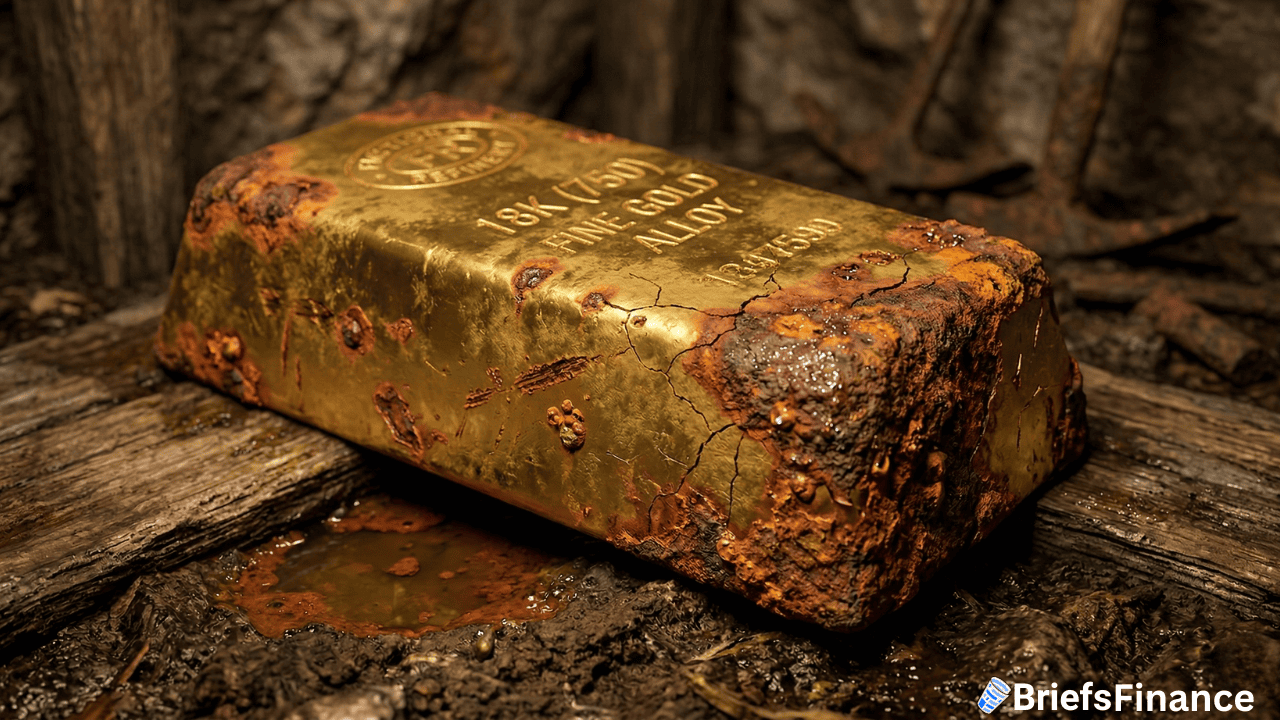
And gold? It’s looking a little less shiny, too.
Precious metals often rise during periods of market or economic stability, but many are falling right now.
Gold futures fell to around $4,575 an ounce on Friday after losing close to 10% over five days.
- That's the biggest weekly slide since 2011.
The metal is also on pace for its ugliest month since the financial crisis in late 2008.
Bonds Are Paying. Gold Isn't
Instead of pushing money into gold, it's pushing central banks to freeze - or even raise - interest rates.
Higher energy costs are stoking inflation fears worldwide. That's part of the reason why the Fed has kept rates where they are, with traders now betting on zero cuts for the rest of 2026.
- Australia's central bank went a step further and actually hiked rates last week.
When bond interest rates go up, investors get paid to hold bonds.
Gold doesn't pay anything - it just sits there.
The Dollar Problem
The U.S. dollar has climbed about 2% since the conflict started, reversing months of weakness.
Gold is priced in dollars. When the dollar gets stronger, it costs more for everyone outside the U.S. to buy.
That shrinks the pool of buyers - fewer buyers = a stronger currency.
The Tourists Left
Last year's 65%-plus rally in gold pulled in a wave of new investors - retail traders, hedge funds, and others who don't normally trade metals.
Arthur Parish, an analyst at SP Angel, called them "tourists."
Those tourists rode the rally up. Now they're riding it back down - fast.
Parish told CNBC that much of the recent selling is momentum trades falling apart, not long-term holders bailing out.
Central banks have been stockpiling gold since the Russia-Ukraine war and the freezing of Russian reserves and that buying hasn't stopped.
Silver got hit even harder.
Futures sank to about $70 an ounce - the lowest close since December - and have now fallen for three straight weeks.