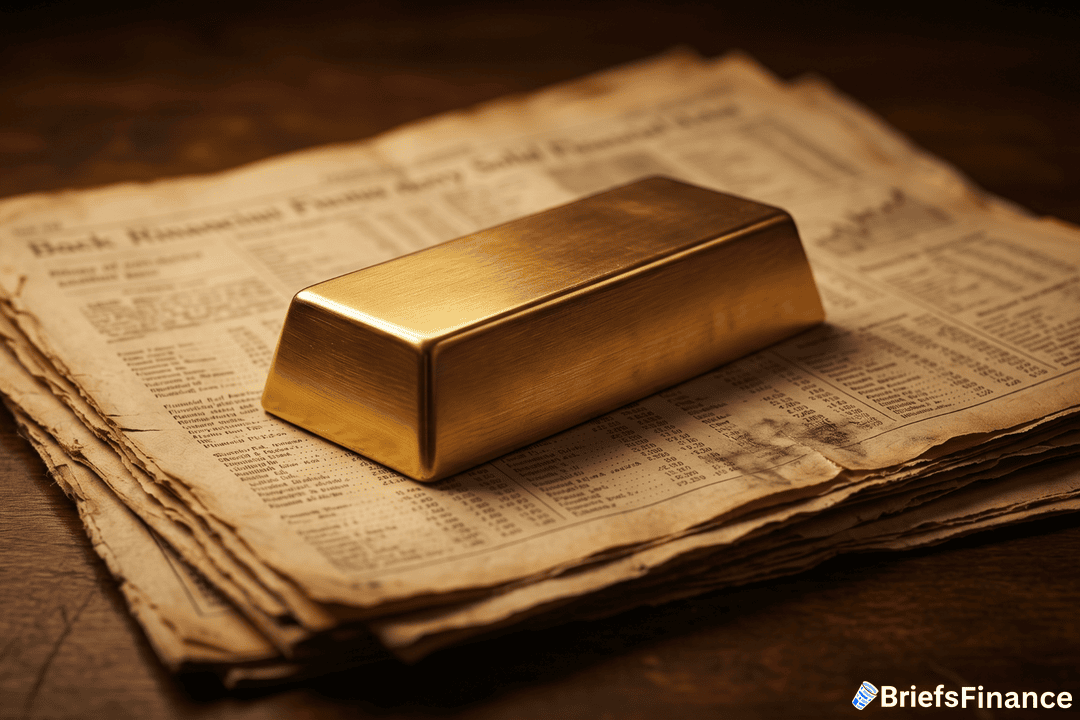
Gold sat at $35 an ounce in 1970 and topped $800 by 1980. That run came from two oil shocks and the end of the gold standard - a gain of more than 2,000%.
The same mix of conflict, rising oil, and a weaker dollar is back in 2026. But this time the debt blocks the tool that stopped it before.
How the 1970s Started
On August 15, 1971, Nixon cut the dollar's last link to gold. After that, no country could swap its dollars for gold at the Treasury.
With that limit gone, the government could print as much as it wanted. Prices kept building even as the White House froze wages to hide the damage.
Then came the oil shock. In October 1973, Arab oil states cut off shipments after the Yom Kippur War. That ban sent crude prices up four times over.
A second shock hit in 1979 from Iran's revolt, tripling oil prices again. The cost of living had sat at 1% in 1964.
By 1974, it topped 12% after those two jolts. The back-to-back shocks changed what people paid for nearly everything.
By 1980 it peaked near 14.5% as the dollar lost a third of its value. The economy stalled while prices kept rising - a combo called "stagflation."
That stretch lasted about 15 years. Gold went from $35 to above $800 over the same run.
Cash and bonds fell far behind during that time. Savers lost buying power year after year as prices outran their returns.
Real estate was one of the few assets that kept pace. Homes and land held their value as rents rose in step with costs.
Why 2026 Looks Like the 1970s With Higher Debt
Today's setup looks like the 1970s in many ways. There's a war in the Middle East, oil has spiked, and gas is above $4.
Economists are using the word "stagflation" again as a result. But the big gap between then and now is the debt.
The key gap: In the 1970s, debt sat at about 35% of GDP. That low level gave Volcker room to raise rates to 20% in 1981.
His move crushed prices but also caused 10% jobless rates and a deep slump. Today debt is above 120% of GDP, which changes the math.
The same rate hike on $39 trillion would cost hundreds of billions more a year. The budget can't take that hit, which takes the main fix off the table.
What to Watch
Hard assets won in the 1970s, with gold up more than 2,000%. Real estate held its value while cash and bonds fell behind.
If the 2026 cycle follows the same path - but without the option to hike rates - the move out of cash could go further. The playbook is 50 years old.
But with debt above 120% of GDP, the exit route that worked last time is blocked. That gap is what sets this cycle apart.
The question isn't whether the pattern matches. It's whether the same tools are still on the table - and the debt says they're not.