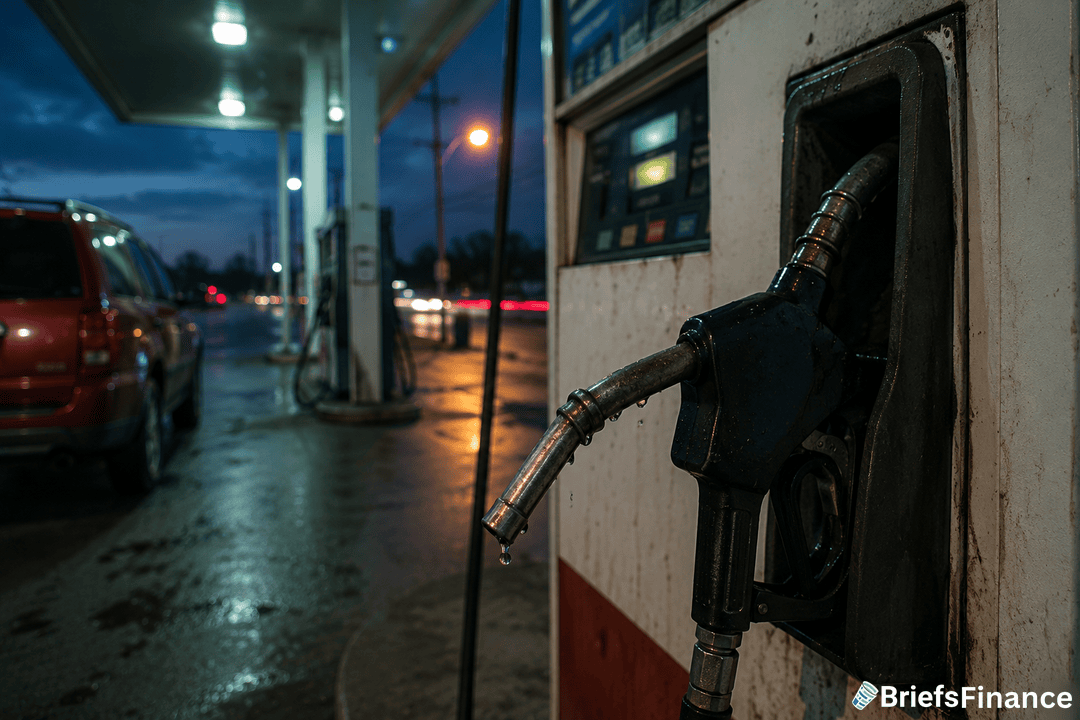
In March, Energy Secretary Chris Wright told NBC's "Meet the Press" gas prices had a "very good chance" of falling below $3 this summer. Eight weeks later they sit at $4.52 and rising, so Wright went back on the same show with a new message - every option is on the table, even a pause on the federal gas tax.
The Tax In Question Is Smaller Than You Think
The federal gas tax is about 18 cents a gallon. On a $60 fill-up at today's prices, that is a few bucks - real money, but not the kind that fixes a 50% spike.
Wright did not commit. He told host Kristen Welker the White House backs "all measures that can be taken to lower the price at the pump."
The easier moves have already been made. Oil is being pulled from the Strategic Petroleum Reserve, and some fuel rules have been loosened.
A tax pause would need Congress. Democrats put forward a bill in March to suspend the gas tax until October, but it has not moved since.
For drivers, the bigger story is that prices are up more than 50% since the war started. A tax pause shaves a small slice, but it does not unwind the war risk in oil.
Gas at $4.52 is also a midterm issue. The White House is pushing on every lever it can to bring the number down by the fall.
If you want a morning read on how gas prices, oil markets, and Washington collide, Market Briefs sends one every weekday - plus a free investing masterclass when you join.
Why The Price Surge Is Hard To Fix
Wright pinned the surge on the war. Iran has blocked the Strait of Hormuz - the chokepoint that handles about a fifth of the world's oil shipments. Iranian oil is also blocked by the U.S. in return.
Wright said both sides feel the squeeze. But in the short term, the U.S. block hurts Iran's revenue more than the price at the pump.
Asked if prices could hit $5 a gallon, Wright would not say. He pointed to U.S. output as the country's main edge. He also pointed out that the war is set to end a 47-year fight with Iran, framing the pain at the pump as a short-term cost.
What To Watch
Wright told CBS' "Face the Nation" that if there is no deal in the next few days, the U.S. will restart "Project Freedom" - the plan Trump paused last week to push ships through Hormuz.
Experts also point out that the U.S. block on Iranian oil takes months to bite. Iran can ride out the squeeze in the short run. That means the price at the pump is unlikely to fall fast.
A tax pause would save pennies. Reopening the strait would save dollars. The market is watching which one moves first.
To get a clean take on what is driving prices each morning, join 350,000+ investors at Market Briefs - you also get a 45-minute investing course as a bonus.