Crypto market cap fell roughly 20% in the first quarter, and Galaxy Digital's portfolio came down with it. The $216 million net loss was the easy part of the story.
The harder part sits on the other side of the balance sheet, where Galaxy is now turning a single AI data center into its next revenue stream.
The Loss
Galaxy posted a $216 million net loss for the three months ended March 31, an improvement from the $482 million loss the quarter before. Adjusted EBITDA came in at negative $188 million, and adjusted gross loss was $88 million.
Total assets fell 12% to just under $10 billion, while equity dropped to $2.8 billion. The company still holds $2.6 billion in cash and stablecoins, which gives it room to keep building Helios without raising fresh capital right away.
The Toronto Stock Exchange delisting also wrapped during the quarter, leaving Galaxy's shares trading only on Nasdaq.
The Trading Business Held Up
The core digital assets unit posted $49 million in adjusted gross profit, only slightly below the prior quarter, with steady fee income carrying the weight. Trading volumes stayed flat even as crypto activity broadly cooled.
The average loan book shrank 20% to $1.4 billion as clients pulled back on borrowing. Most of the pain landed in Galaxy's treasury and corporate unit, which logged a $140 million adjusted gross loss on unrealized declines in digital assets and investments.
Assets under management sat near $5 billion, down from the prior quarter. Even so, the unit pulled in $69 million of net inflows during the period.
Helios Is The Pivot
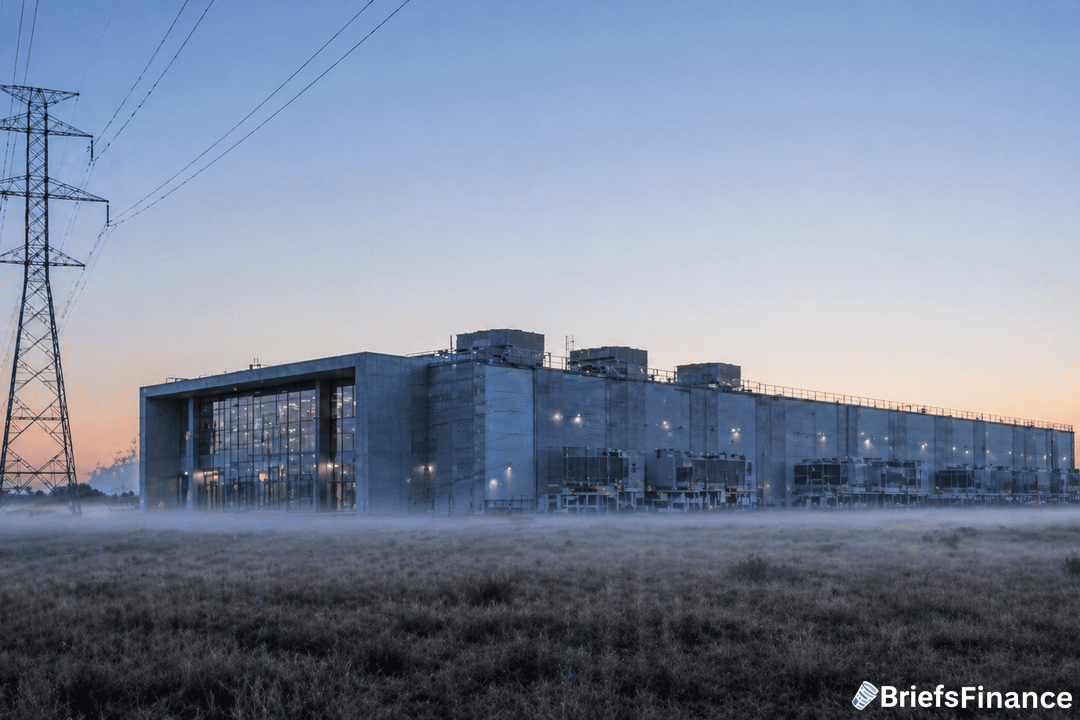
In April, Galaxy delivered its first data hall at the Helios campus to CoreWeave, which marked the start of revenue from the project. The hall is the first piece of a far larger build that Galaxy has been planning for months.
Helios also got regulatory approval for an additional 830 megawatts of power, which brings total approved capacity to over 1.6 gigawatts. Most of the demand for that capacity is tied to AI workloads, where high-performance computing customers are paying to lock in long-term power.
Galaxy also disclosed a role supporting staking infrastructure for a BlackRock Ethereum exchange-traded product, while buying back $65 million of its own shares.
What To Watch
CEO Mike Novogratz laid out a $15 billion AI data center expansion plan in Galaxy's first Nasdaq annual report on April 8. Q2 will be the first full quarter Helios contributes revenue, and that number will tell investors whether the pivot can outrun the next crypto swing.
The trading business is still tied to crypto prices. The data center business is tied to AI. That split is the new shape of Galaxy.