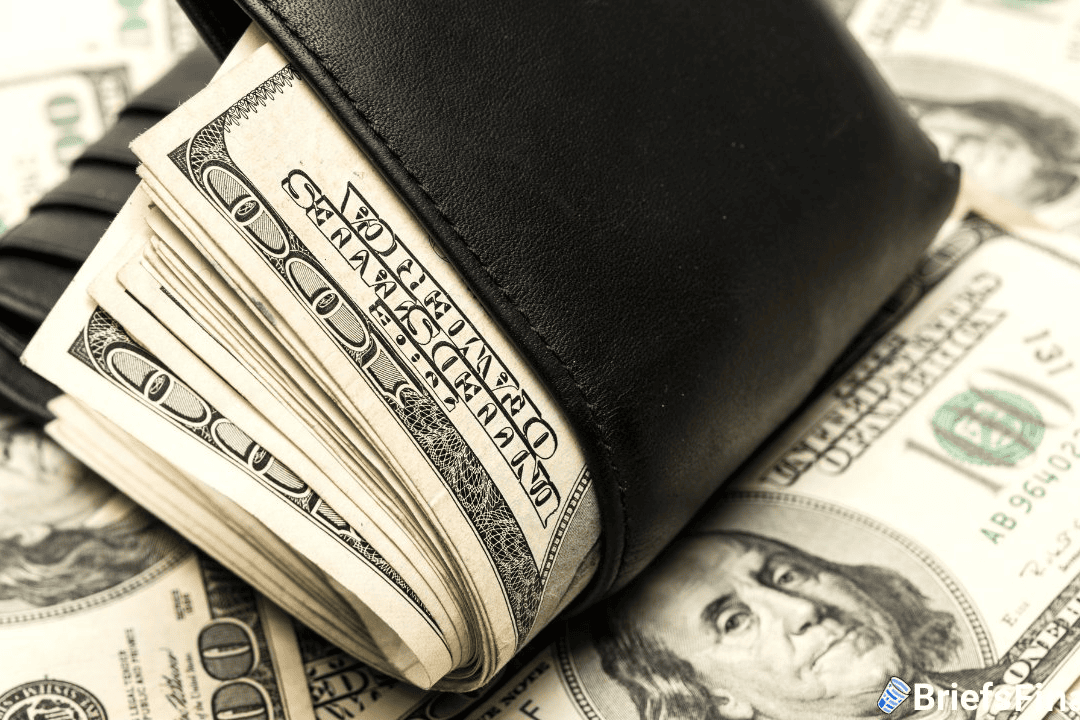
Holding $100,000 in cash over recent years cost about $8,900 in real buying power. Prices rose and the dollar lost value - and most people didn't even feel it.
Every past stretch of high debt and rising prices has played out the same way. Cash holders fall behind while owners of real assets keep up.
Stocks With Pricing Power
Companies that can charge more when costs go up tend to do well. Their sales grow with costs.
Their fixed debts also shrink in real terms at the same time. That's two tailwinds at once.
The key: Low debt and strong demand matter most. A company selling things people need - energy, food, health care - has room to raise prices.
A company that runs on cheap credit does not. When rates rise and costs go up, those are the ones that get hit.
In the 1970s, the S&P 500 gained about 6% a year. Prices rose above 7% over that same stretch.
That didn't feel great at the time. But stocks still beat cash over a full decade by a wide gap.
The key was owning the right kind of company. Low debt and pricing power made all the gap.
Real Estate With a Fixed-Rate Loan
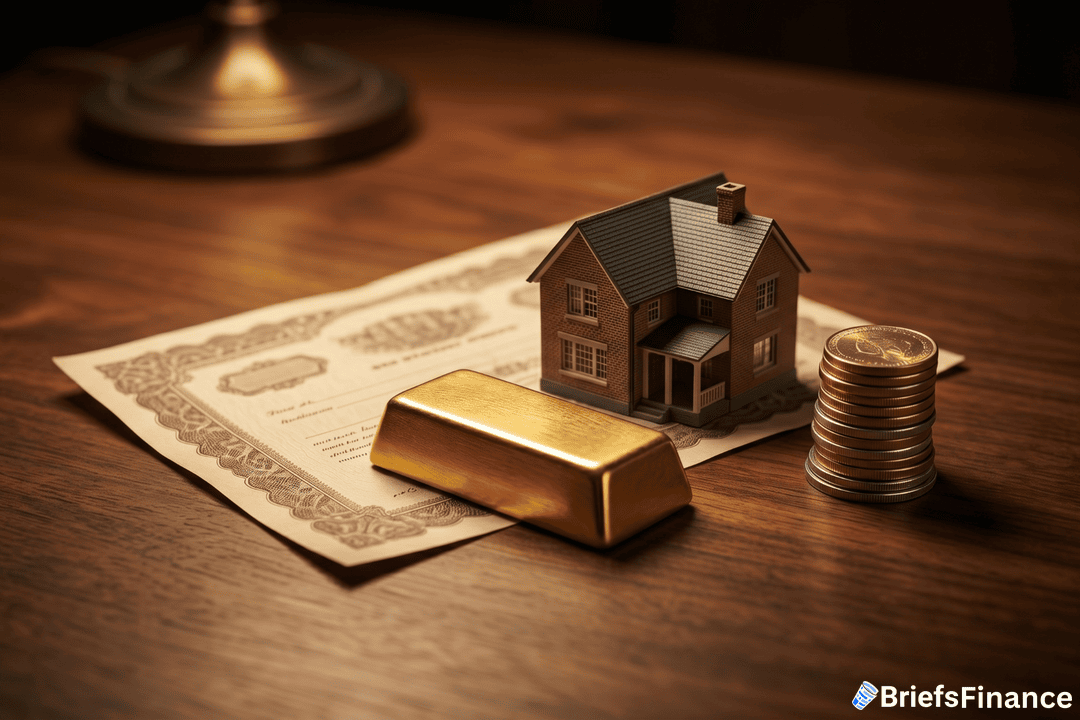
Real estate works because the payment stays flat on a fixed loan. But the home's value and rent tend to rise with prices.
A homeowner who locked in a 3% rate before prices rose now holds a great deal. Rents and home prices climb while the loan payment stays the same.
That gap between flat debt and rising value is where the gain shows up. It's the same math that helps the government with its own fixed-rate debt.
Gold
Gold has been the go-to hedge when governments print money. It went from $35 an ounce in 1970 to above $800 by 1980.
Today it tops $4,600 as central banks buy at record speed. Gold pays no income, but it holds its value when cash does not.
Central banks bought 863 tonnes in 2025 - still nearly twice the pre-2022 pace. That shows where the world's reserve managers are putting their money.
TIPS and Short-Term Bonds
TIPS - short for Treasury Inflation-Protected Securities - go up when prices go up. They adjust with the cost of living, so holders don't fall behind.
Short-term bonds help too because they come due faster. That lets investors put money to work at higher rates as things change.
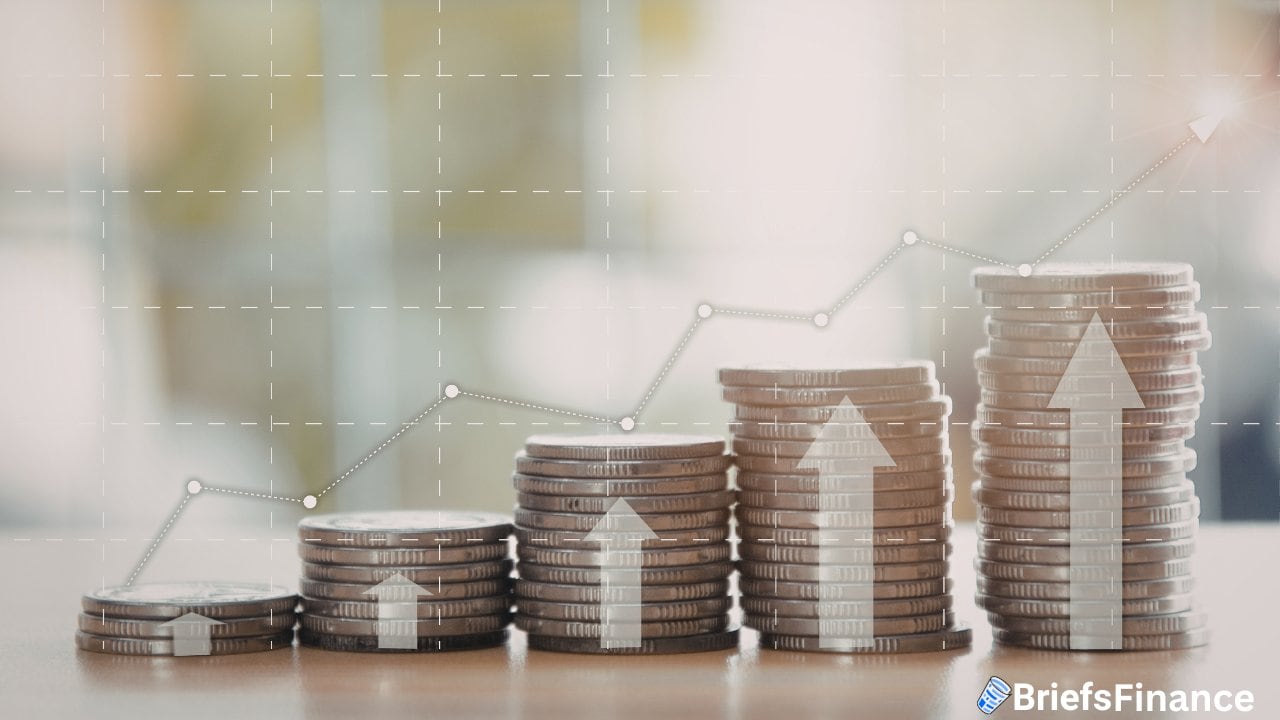
A mix of 30% stocks and 70% bonds has gained 4-6% a year. That pace has been enough to stay ahead of rising prices in every past cycle.
Worth Noting
Cash lost about $8,900 in buying power on every $100,000 held in recent years. Most people had no idea because the number on the screen never moved.
Stocks, land, gold, and bonds tied to the cost of living all go up when prices rise. That pattern has held in every past cycle like this one.
The setup today is the same. The only thing that changes is who acts on it and who doesn't.