Oil is sitting near $100 a barrel. The world's biggest oil firm says the market still has not priced the war in.
Exxon CEO Darren Woods told investors Friday the worst of the supply hit from the Iran war is still ahead. The full hit has been masked by tankers already at sea and stockpiles being used up.
The Cushion Is Running Out
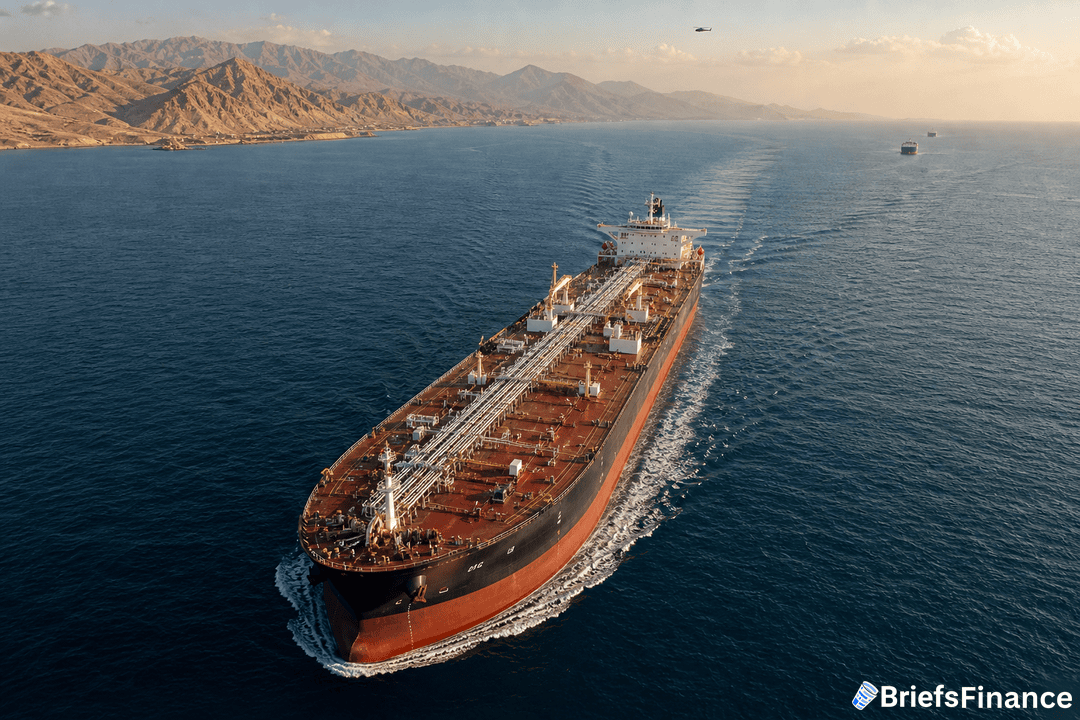
When the Strait of Hormuz closed, the oil market had a buffer. A wave of tankers was already at sea.
Governments tapped key reserves. Firms drew down their own stocks to keep oil moving.
That cushion was always going to thin out. Woods said one of those supply sources will run dry as the war drags on.
Prices will move higher when it does.
"There's more to come if the strait remains closed," Woods said.
U.S. crude fell more than 3% Friday to $101.38 a barrel. Brent, the main world oil price, dropped about 2% to $108.
Woods said those prices look more like a normal year than the worst supply shock the oil market has ever faced.
The Hit To Exxon's Own Output
About 15% of Exxon's total oil output runs through the Strait of Hormuz. If the strait stays shut through the second quarter, the firm expects to pump 750,000 fewer barrels a day than it did in 2025.
Output to its plants around the world would drop 3% versus the fourth quarter of last year.
Iran also hit Exxon in early April. Iranian strikes on Qatar's gas hub damaged two plants that Exxon part-owns.
Those Qatar plants made up roughly 3% of Exxon's oil and gas output in 2025. Even with all of that, Exxon shares slipped only about 1% in midday trading Friday.
Woods said recent changes inside the firm have made it "more resilient to operational disruptions." That is a key claim for investors trying to figure out how much pain Exxon will take from here.
The bigger gap is in the longer chart. Oil is up roughly 57% since the war began, but Exxon's stock is flat over the same stretch.
Other big oil firms are seeing a similar split.
What To Watch
The big tell going forward is what happens when the strait reopens. Woods expects flows to take a month or two to get back to normal as tankers reset and backlogs work through the system.
Then comes the demand wave. Governments and firms will need to refill the reserves they drained.
That refill could push prices higher right as supply is still finding its footing.
The other thing to watch is how Exxon's stock catches up. Oil is up by more than half since the war began, but Exxon's stock is flat.
If oil stays high, the gap between the two could close fast.
Watch the size of refills, too. Woods said this refill demand could push prices up when the war ends and stockpiles are low.
Exxon investors get paid when those barrels start moving.