- Blockchain is a digital ledger that records every transaction on a public network.
- Once a transaction is recorded, it cannot be changed or deleted.
- It is the foundation of Bitcoin, Ethereum, and thousands of other cryptocurrencies.

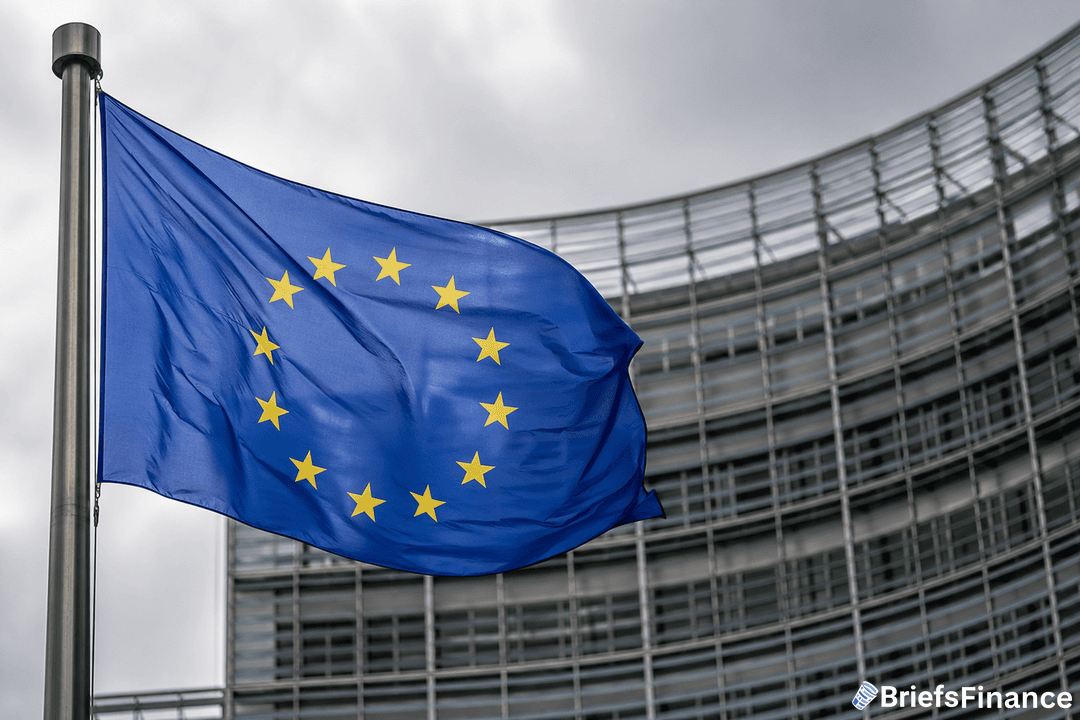
For 20 years, the EU blocked deals that might raise prices for shoppers. Brussels now says that view cost it ground against U.S. and Chinese giants.
So the rules are changing.
The shift could open the door to mega-mergers in fields from rail to telecom to banking, with bankers already lining up deals that died under the old test.
The European Commission published a draft on Thursday that asks regulators to weigh "scale, innovation, investment and resilience" when they review deals.
That's a clear move away from the old test, which mainly looked at how a deal might lift prices.
Under the new draft, deals that "benefit the internal market and promote global competitiveness" get more room to clear, even if they would have been blocked before.
EU competition commissioner Teresa Ribera said the rules will still protect "strong, competitive markets without allowing an accumulation of power that can be abused."
EU chief Ursula von der Leyen said in a statement that Europe needs "bold, innovative companies that can compete on the global stage."
She added that the bloc has the talent but lacks the rules to build them.
Berlin and Paris have pushed for this since 2019, when Brussels blocked a planned rail tie-up between Germany's Siemens and France's Alstom over fears it would raise train ticket prices.
Both governments saw that deal as Europe's shot at building a rail Airbus big enough to take on China's state-backed CRRC.
The deal died, and so did that plan.
Six years later, with U.S. tech firms and Chinese state firms pulling ahead in chips, clean energy, and AI, the EU is starting to agree with Berlin and Paris.
The change builds on warnings from former ECB chief Mario Draghi and former Italian prime minister Enrico Letta, who said Europe's gap with the U.S. and China was widening fast.
This is less a pure deregulation play and more a policy bet on industrial scale, giving European firms a clearer runway to consolidate where size matters most.
Defense, telecom, pharma, and big industrial firms top the list, all sectors where European players have been losing share to bigger U.S. and Chinese rivals.
Bankers will likely test the new rules with deals that died under the old ones. Telecom mergers across borders are an obvious first move, since Europe has dozens of carriers while the U.S. has just three big national ones.
Banking is another field to watch, with French and Italian lenders long rumored to be eyeing tie-ups blocked by national rules.
The catch: the EU's antitrust chief already has critics inside the bloc who say loosening rules will hand more pricing power to a handful of giants.
The Draghi report found that Europe needs more than $800 billion a year in extra investment to catch up on tech, energy, and defense.
Forging bigger firms is one piece of that fix, with the new rules acting as the legal hook.
The draft is open for feedback until June 26, leaving room for changes before the rules take effect.
The next batch of merger filings will tell us whether this is real change or window dressing.