Ethiopia is landlocked. It has untapped oil and gas reserves but no way to ship them out, which makes those reserves close to worthless for export.
This week, that part of the math finally changed.
What's Actually Getting Built
Djibouti President Ismail Omar Guelleh signed off on a two-phase pipeline plan submitted by Ethiopian Investment Holdings and the Dangote Group, the conglomerate run by Africa's richest man.
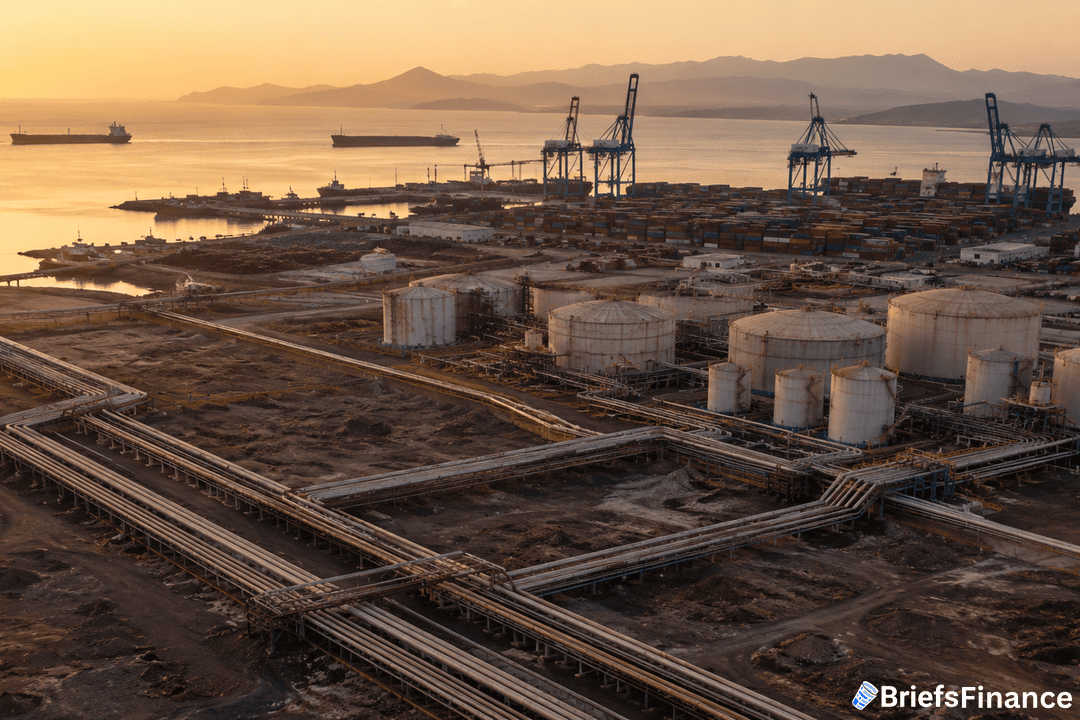
Phase one is the practical part - a pipeline that ships refined petroleum from the Port of Djibouti to Daweleh inside Ethiopia, cutting trucking costs and clearing one of the worst bottlenecks in East African logistics.
Phase two is where the ambition is. Pipelines that would move untapped oil and natural gas from Ethiopia's Somali Regional State out through Djibouti's port to global markets.
For Addis Ababa, that turns a stranded asset into hard currency revenue, assuming the reserves prove out the way geologists expect.
Every weekday morning, Market Briefs walks through the deals that actually matter for your portfolio - in five minutes, plus a free investing masterclass thrown in when you join.
Why Dangote Is In The Picture
Aliko Dangote is the richest person in Africa, with a net worth in the tens of billions, and his company is in the middle of a $45 billion expansion in Ethiopia.
That includes a $4 billion fertilizer complex already under construction, with a 110-kilometer feeder pipeline, a 120-megawatt power plant, and a 2-million-ton blending facility for finished product.
The new pipeline deal stitches it all together. Ethiopia gets infrastructure it couldn't build alone, Dangote gets a long-term export route for fertilizer and fuel, and Djibouti becomes the gateway.
That kind of cross-border infrastructure deal is rare in East Africa, which is why this announcement is being read as a signal that all three players are now aligned on the same long-term plan.
The Bigger Trade
For investors, this is about more than one pipeline.
The Horn of Africa is quietly becoming a serious energy logistics hub, and with the Strait of Hormuz under threat from the Iran war, every alternative shipping route to Europe and Asia just got more valuable.
A Djibouti-anchored export corridor for African oil and gas fits exactly that gap, which is why the timing of this approval isn't an accident.
The deal also signals that East African governments are willing to move fast on energy deals when the geopolitics line up, even when the projects themselves take years to build.
What To Watch
The big question is the second phase, actually getting Ethiopian crude and gas out of the ground.
That's a longer, harder build than a refined-product pipeline, and it will need real money - the kind that comes from Chinese state lenders, multilateral banks, or a private syndicate Dangote can pull together.
If it ships, Ethiopia stops being a fuel importer and starts being something completely different.
Get smarter on stories like this each morning. Subscribe to Market Briefs and you'll also unlock a free 45-minute investing course.