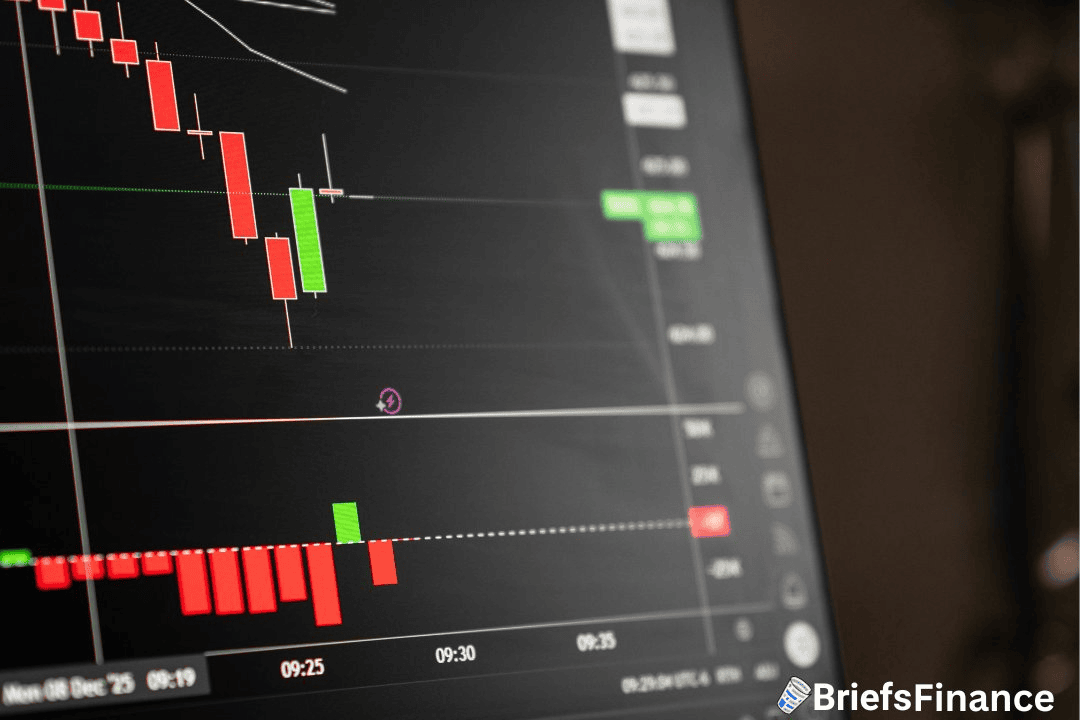
DoorDash (DASH) is about to make stablecoin payments a normal part of the gig economy. The company announced a partnership with Tempo, the Stripe and Paradigm-backed blockchain, to offer stablecoin-powered payouts to merchants and Dashers across more than 40 countries.
The deal is one of the largest real-world stablecoin applications to date and a clear signal that mainstream consumer platforms are now ready to use the technology.
What Tempo Is
Tempo is a payments-focused blockchain developed by Stripe and venture firm Paradigm. It launched in March 2026 with major infrastructure partners, including Mastercard, UBS, Klarna, and Visa.
The network is designed for payment workloads, so it offers sub-second settlement, fixed transaction fees, and private transaction channels aimed at enterprise users. Tempo raised $500 million at a $5 billion valuation around launch.
What DoorDash Gets
DoorDash pays out millions of Dashers and thousands of merchants every day across a growing global footprint. Moving those payouts onto a stablecoin rail should improve three things at once.
What changes:
- Payouts become faster, moving from days toward minutes.
- Cross-border transactions get cheaper as foreign exchange fees drop.
- The number of steps to complete a payment drops, which lowers reconciliation work.
For Dashers, it should mean faster access to tips and weekly earnings, especially for international workers. For merchants outside the U.S., it should mean lower fees and faster settlement on DoorDash deposits.
The Bigger Picture
Stripe, Coastal Bank, and Latin American fintech ARQ are all starting to run parts of their payment operations on Tempo's stablecoin rails. Tempo is also launching a Stablecoin Advisory service to help firms move payment flows onchain.
Under current U.S. stablecoin rules, large companies can now use stablecoins without the regulatory risk that kept them on the sidelines two years ago. That is driving a wave of corporate adoption, with DoorDash as one of the most visible examples.
The Regulatory Tailwind
The recent U.S. stablecoin framework gave issuers clearer rules on reserves, disclosures, and redemption timing, which took most of the legal uncertainty out of corporate adoption. That change is the single biggest reason a consumer brand like DoorDash is willing to commit publicly.
Smaller fintech firms and gig platforms have been waiting for exactly this kind of cover. Expect more announcements like this one through the back half of 2026 as incumbents move from pilots to production.
What to Watch
If the DoorDash integration works, expect Uber, Instacart, and other gig platforms to move in the same direction quickly. Each platform that joins adds network effects to Tempo and makes the case for stablecoins harder to ignore at traditional card networks.
Watch Visa and Mastercard commentary next quarter for signs they are adjusting to the shift.