Investing is not a one size fits all approach. Some […]

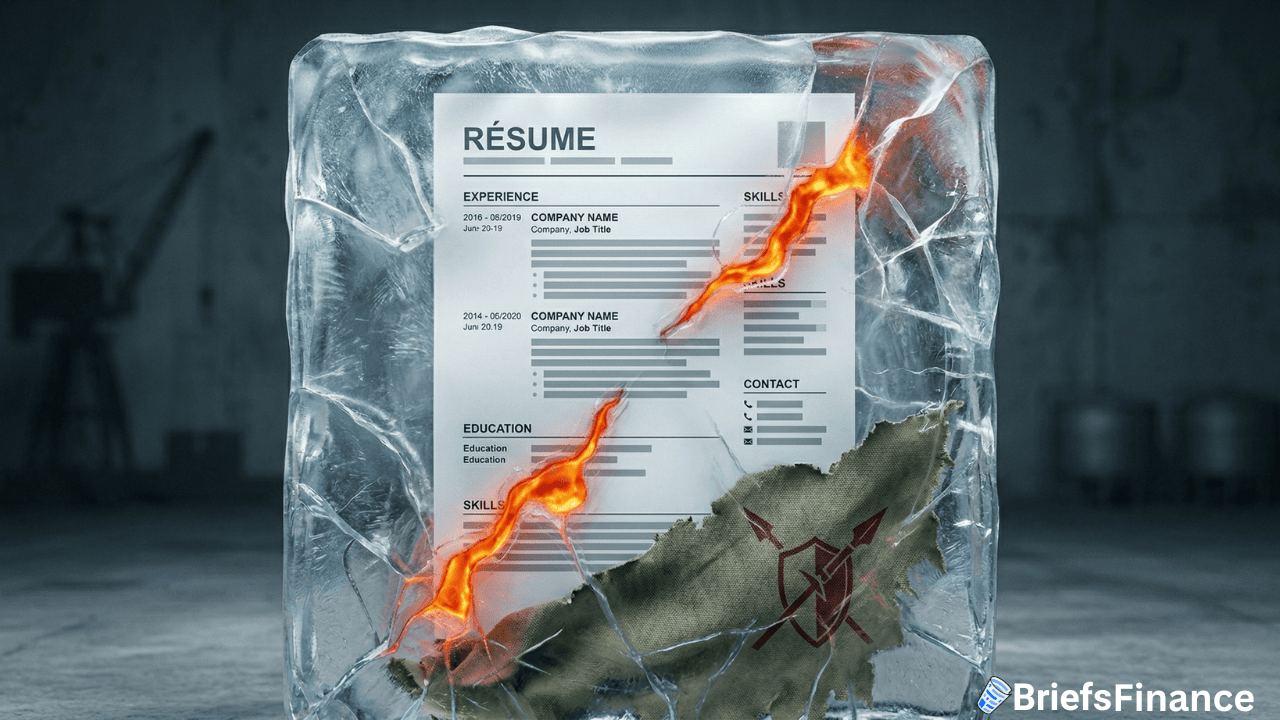
A month of war in the Middle East has done what a weak 2025 couldn't - it froze an already sluggish labor market solid.
Employers aren't firing people. But they aren't hiring them either.
The February jobs report was ugly - a 92,000 drop in payrolls, one of the worst readings since the pandemic. Forecasters expect a bounce back in March, with estimates around 60,000 to 80,000 new jobs. But the US hasn't strung together back-to-back months of gains since last May - and even a decent March number would be weak by historical standards.
For context, the U.S. averaged about 121,000 new jobs per month in 2024. All of 2025 produced just 116,000 total. That's an entire year of hiring that barely matched one normal month.
The unemployment rate is holding at 4.4%, which sounds fine until you look underneath. Companies aren't cutting workers - they're just not replacing the ones who leave. It's a standstill dressed up as stability, and it was the trend well before any missiles flew.
The Iran conflict choked off one of the world's most important shipping lanes. Crude has surged about $30 a barrel since the fighting began, with prices briefly jumping as high as $50 above pre-war levels.
Every $10 bump in oil ripples through the entire economy. It pushes up what you pay at the pump, what truckers charge to haul goods, and eventually what groceries cost on the shelf.
American drivers are already paying for it. A gallon of regular now runs about $3.98 on average nationally - roughly a dollar more than before the conflict. And it's not just the pump - heating bills and electricity costs are climbing too.
Inflation forecasts are getting worse fast. The OECD's latest estimate puts full-year US price growth at 4.2% - up from 2.4% as recently as February. That's nearly double in a matter of months.
Here's the one bright spot: people are still spending. Credit and debit card data shows Americans shifting more dollars toward gas and energy, but they're also making big purchases ahead of schedule - locking in summer flights and vacation bookings before prices climb higher.
This year's tax refund checks have been roughly 10% fatter than last year's, which is giving families a little extra breathing room. But that cushion won't last forever.
Consumers drive roughly two out of every three dollars of US economic output. If they start pulling back, the hiring freeze turns into layoffs fast.
A full week of labor market data drops starting Monday - turnover numbers, private payroll estimates, layoff reports, and Friday's official jobs report. The Fed chair also speaks at Harvard on Monday, where investors will be listening for any hints on how the central bank plans to balance rising prices against a weakening job market.
One economist put the chance of a recession at 40% and described the labor market as slowing down - not breaking apart. But he warned that visible damage could appear by late spring if businesses don't get more clarity soon.
Investing is not a one size fits all approach. Some […]
Everyone with an internet connection is using AI to better […]
You just opened your first brokerage account and you’re ready […]
Everyone knows AI needs chips. For a while, investment dollars […]
When you get your first, “real” job, it often comes […]
Most investors hear the word "options" and picture a Wall […]
Most of us grew up being taught the same thing: […]
Gold has been around longer than any stock market, any […]
Most people think the only way to make money in […]
The stock market is like any other business - it’s […]