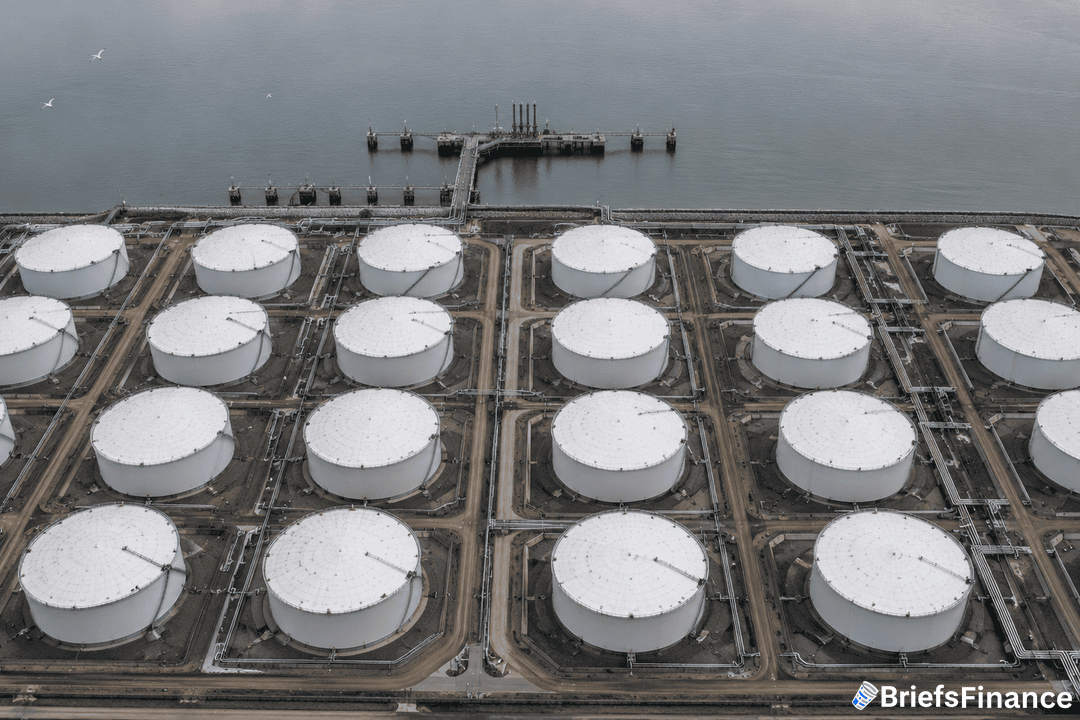
China is the world's biggest oil buyer. Right now, it is not buying much.
April crude imports dropped about 20% to a three-year low. The Iran war shut the Strait of Hormuz, which choked off shipments.
Natural gas imports fell about 13%, while the country leans on the giant stockpile it spent years building.
The Numbers Behind The Drop
China brought in 38.47 million tons of crude in April. That is the lowest level since July 2022.
Natural gas came in at 8.42 million tons, down roughly 13% from a year ago. The drop is sharp for a country that leans hard on the Middle East.
About half of China's crude and a third of its LNG come from that region. Most of it moves through the Strait of Hormuz.
Shipping through the strait has been blocked since Iran's military issued passage warnings. Iran's forces also boarded ships and laid sea mines.
The strait is the narrow channel between Iran and Oman. About 20% of the world's oil and LNG normally moves through it.
The U.S. and Israel launched air strikes on Iran in late February. Brent crude jumped 10% to 13% in early trading right after.
Brent has stayed high since the war began. That has been a tax on every oil-buying country.
Every weekday, Market Briefs walks readers through the energy stories actually moving prices - five minutes a day, with a free investing masterclass on the side when you join.
The Strategic Reserve Cushion
Chinese refiners are not running on fumes. They are running on the strategic reserve.
Beijing went into the war with about 1.4 billion barrels of oil tucked away. The stash sits across both state and trade storage.
That works out to roughly 220 days of Middle East imports at last year's pace. The cushion is the reason China can take a 20% hit to monthly imports without a price spike at the pump.
Most other big buyers can't say the same. South Korea, Japan, and India have far smaller stockpiles to lean on.
The buildup did not happen by chance. China had been adding to its oil stash for years.
It saw the risk that one day a war could choke off the Gulf. That day came at the end of February.
What To Watch
Qatar sent its first LNG cargo through Hormuz this weekend under an Iran-cleared lane. That is the first sign of any restart on the gas side.
Buyers watching crude and LNG markets focus on three things from here. How fast China runs through its buffer, whether more tankers follow Qatar's lane, and whether the U.S. side of the block lets shipments through.
Stock buyers want to know which oil and gas firms gain the most. Drillers, tanker owners, and U.S. shale names tend to lift when prices stay high.
For now, the world's biggest oil buyer has bought itself time. Whether that time is months or weeks depends on what comes next at the strait.
If you want a daily market read that respects your time, join Market Briefs here - includes a 45-minute investing class as a bonus when you sign up.