There are two Chinese economies right now, and only one of them is working.
April's data made the split impossible to ignore. Analysts now call it "K-shaped" and "self-reinforcing," which is the polite way of saying it isn't fixing itself.
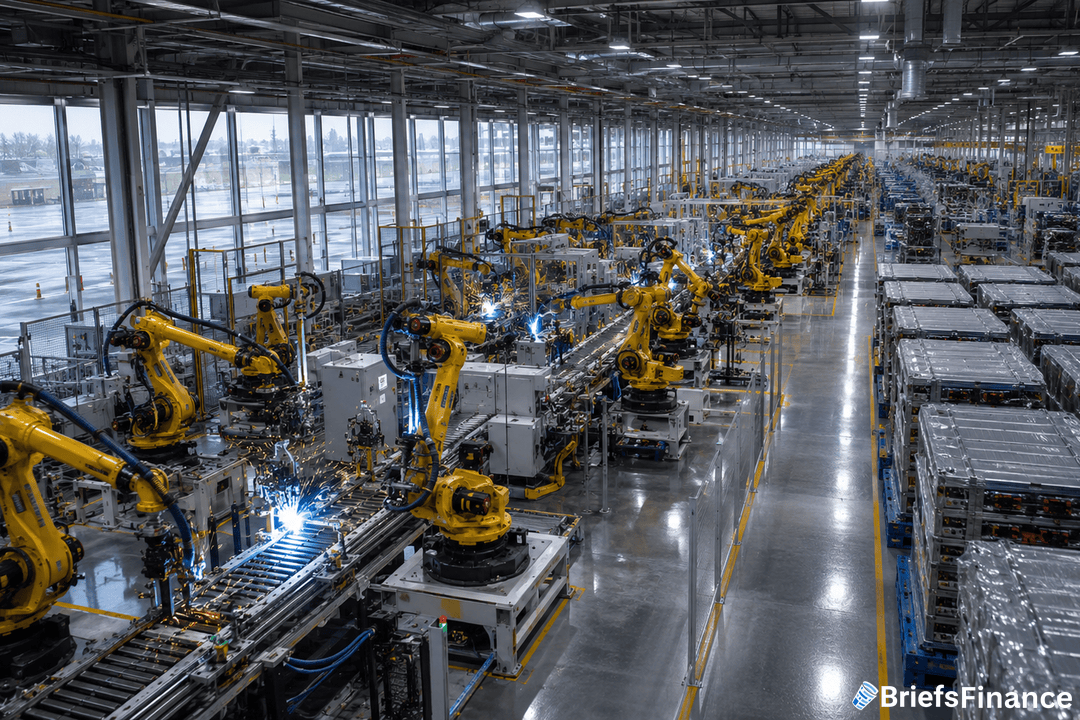
Factories Are Doing The Work
Industrial production beat April forecasts by a wide margin, with exports still ripping even as the Iran war disrupts global demand.
Net exports added 1.6 percentage points to first-quarter GDP growth, after China posted a record $1.2 trillion trade surplus for all of 2025.
The supply side of China's economy is essentially running flat out - industrial output is now 11.5% higher than it was in 2023, with manufacturing clusters in tier-one and tier-two cities seeing the biggest gains.
That's the up-stroke of the K, and the other line is going the other way.
Consumers Are Sitting Out
Retail sales grew 2.4% in the first quarter, which is roughly half the growth rate from a year earlier.
Households are earning more but spending less of it, which is a tell that confidence is still soft after years of property market trouble.
Beijing has tried to fix this with subsidy programs, easier credit, and lower mortgage rates - and so far none of it has moved the needle on actual spending.
The savings rate keeps climbing, which is exactly what policymakers don't want to see.
Every weekday morning, Market Briefs translates moves like this into what they mean for stocks, in about five minutes - plus a free investing masterclass when you join.
Why The Gap Is Becoming Structural
The factory boom is built on exports and high-tech production, much of it tied to government-backed sectors like electric vehicles, solar, and batteries.
Domestic spending depends on jobs, wages, and housing wealth, all of which have been under pressure for two years and aren't bouncing back quickly.
Citi flagged in its 2026 outlook that the regional gap will widen too, with tier-one cities pulling ahead while smaller cities fall further behind.
For investors, the read-across is simple - the China growth trade right now is an export and industrial story, not a consumer story.
What To Watch
The longer the K-shape holds, the more it shapes which Chinese companies are worth owning. Export-heavy industrials and high-end manufacturers are riding the up-line, while consumer names tied to domestic demand are on the other one.
For our daily take on shifts like this, sign up for Market Briefs - delivered every morning, with a 45-minute investing course thrown in as a bonus.