Free NewsletterPro Login

China Threatens EU Payback Over Proposed Huawei 5G Ban

Published Apr 29, 2026
Share:
Summary:
  • China's commerce ministry submitted a 30-page warning to the European Commission threatening reciprocal action if the EU's draft cyber law penalizes Huawei or ZTE.
  • The proposed EU law would force member states to remove "high-risk" suppliers from 5G networks within three years.
  • Beijing said the proposal "violates multiple WTO rules" and warned of "de facto decoupling" if it passes.

Beijing just put the EU on notice. China's commerce ministry sent a 30-page warning to Brussels.

The message is simple. If the EU forces Huawei or ZTE out of 5G networks, China will hit back at EU firms.

The wording inside is sharper than the polite tone Europe usually gets.

What The EU Law Would Do

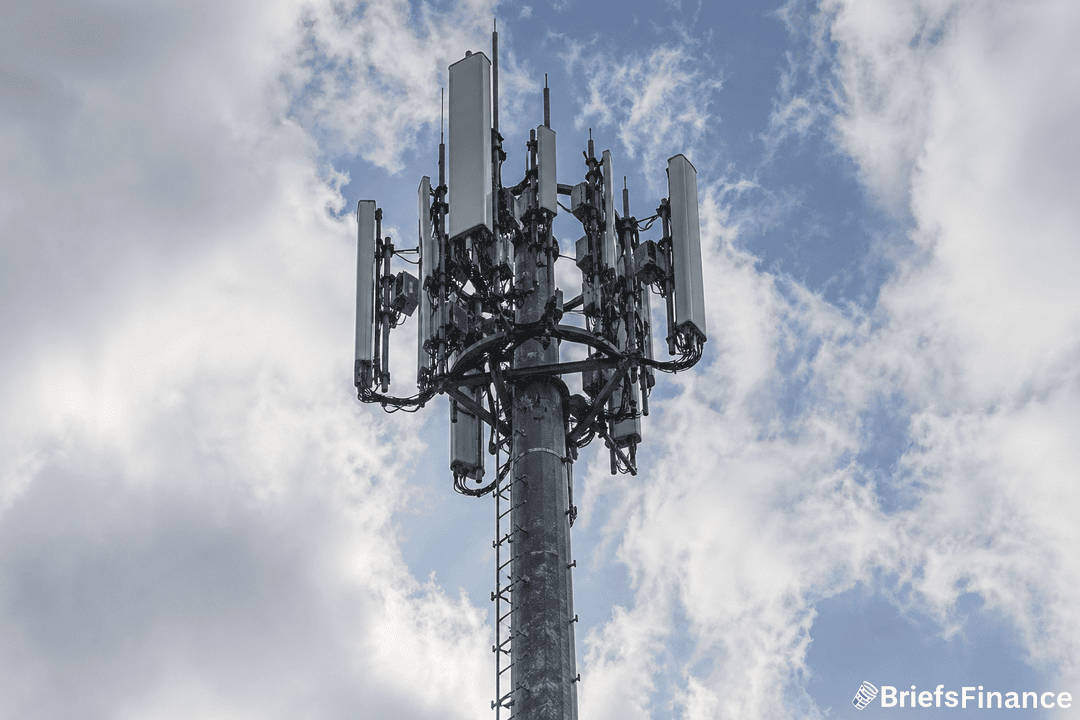
The EU law would do something the bloc has only ever asked for before. It would force member states to rip out gear from any firm tagged a security risk.

The law would set a three-year window to do it. It would also let the EU label a whole country a "cyber threat."

Firms from that country could then be locked out of telecom networks first. A long list of other industries would follow.

That list takes in connected cars, power grids, water systems, cloud computing, medical devices, space services, and chips.

In short, the law treats network gear the way airport security treats luggage. A country lands on the no-fly list. None of its hardware gets through.

What China Is Threatening

The trade office's note did not hint. China spelled out the threat in plain terms.

If the EU starts pulling Chinese gear out of networks, "China can launch relevant investigations into the EU or EU businesses, and take reciprocal measures."

Beijing also said the law "violates multiple WTO rules." It warned that "economic cooperation will be inevitably pushed towards de facto decoupling" if it passes.

China asked for the entire "countries posing cybersecurity concerns" section to be cut from the draft.

That is not a quiet note. That is a setup for a court fight.

Why This Matters For Investors

EU firms in China are stuck. They are caught between two legal systems that disagree, and per the EU Chamber of Commerce in China, their members would struggle to comply with laws at home and in China at the same time.

That is real risk for EU stocks with deep ties to China.

Chinese firms feel the same heat on the other side. Last week, scanner maker Nuctech sued the EU. The case covers older subsidy rules.

China's supply-chain rules give Beijing more tools too. Those tools include exit bans, travel bans, and bans on deals.

The trigger phrase: "investigating Chinese supply chains." That is a lot of leverage. It targets EU bosses who travel to China for work.

The Big Picture

This fight is part of a longer trend. The EU and China have been trading blows for two years.

The fights cover chips, EVs, and now cyber gear. Each side has built new legal tools to use against the other.

Each side keeps testing those tools. The cyber law would be the biggest test yet.

It would also lock the EU into a path that is hard to walk back. EU firms with big China sales are watching closely.

So are Chinese telecom giants who still depend on the EU market.

What To Watch

The EU's cyber law was first announced in January. It is still in draft form. Beijing wants the toughest sections cut entirely.

Brussels has not signaled it will back down. The next round of EU-China trade fights starts when this draft moves to a formal vote.

Disclosure

Get Market Briefs delivered to your inbox every morning for free!

No fluff. No noise. No politics. Just finance news you can read in 5 minutes.

Blogs

April 28, 2026
Core-Satellite Portfolio: The Best of Both Worlds
  • A core-satellite portfolio splits investments into stable core holdings and higher-risk satellite picks.
  • The core is usually 60% of the portfolio, with satellites at 40%.
  • It blends passive index investing with active opportunity bets.

Read More
April 28, 2026
Bond Ladder Strategy: The Income Plan With Built-In Flexibility
  • A bond ladder is a series of bonds with staggered maturity dates, often one to five years apart.
  • It gives you regular access to cash, predictable income, and protection from rate changes.
  • It works for Treasuries, corporate bonds, municipal bonds, and CDs.
Read More
April 28, 2026
Silver vs Gold Investing: Which One Belongs in Your Portfolio?
  • Gold is the stable store of value, used as crisis insurance during recessions and conflict.
  • Silver is both a precious metal and an industrial metal, with more volatile pricing.
  • Most investors hold a mix in their alternative investment allocation, often 5% to 12% of portfolio.
Read More
April 28, 2026
What Is a Dividend Reinvestment Plan? The Wealth Snowball Explained
  • A dividend reinvestment plan, or DRIP, automatically uses dividend payments to buy more shares.
  • DRIPs power compound growth - dividends buy shares that pay dividends that buy more shares.
  • Most brokerages offer DRIPs free, and many include fractional shares so every penny goes back in.
Read More
April 28, 2026
How Tariffs Affect the Stock Market
  • Tariffs are extra fees on goods imported into a country, and they hit company profit margins.
  • The S&P 500 dropped over 3% in one day after the 2025 tariff announcement.
  • Tariffs reshape trade flows, creating both losers and unexpected winners.
Read More
April 28, 2026
What Is a 13F Filing? The Smart Money Tracker
  • A 13F filing is a quarterly disclosure of stock holdings from large institutional investors.
  • It shows what hedge funds and asset managers bought, sold, and held last quarter.
  • You can find any 13F free on SEC EDGAR.
Read More
April 28, 2026
Debt-to-Equity Ratio: The Number That Tells You If a Company Is Drowning
  • The debt-to-equity ratio compares what a company owes to what shareholders own.
  • The formula is total liabilities divided by total shareholder equity.
  • Lower ratios mean less risk - one of the value markers Warren Buffett looks for.
Read More
April 28, 2026
Non-Financial Analysis of Stocks: The 4-Step Method
  • Non-financial analysis evaluates a company's business, not its financial ratios.
  • It covers four things: business model, CEO, innovation, and moat.
  • It's how investors find companies with long-term staying power.
Read More
April 28, 2026
SEC EDGAR Tutorial: The Free Tool the Pros Use
  • SEC EDGAR is the official free database of public company filings.
  • You can pull 10-Ks, 10-Qs, 8-Ks, and insider trades by ticker or company name.
  • It's the source journalists and analysts use to write their stock stories.
Read More
April 28, 2026
How to Read a 10-Q (Without Losing Your Mind)
  • A 10-Q is a public company's three-month financial update, filed with the SEC.
  • It shows revenue, profits, debt, and cash flow between yearly reports.
  • You can find any company's 10-Q for free on the SEC's EDGAR site.
Read More
1 2 3 18
Share via
Copy link