- A core-satellite portfolio splits investments into stable core holdings and higher-risk satellite picks.
- The core is usually 60% of the portfolio, with satellites at 40%.
- It blends passive index investing with active opportunity bets.

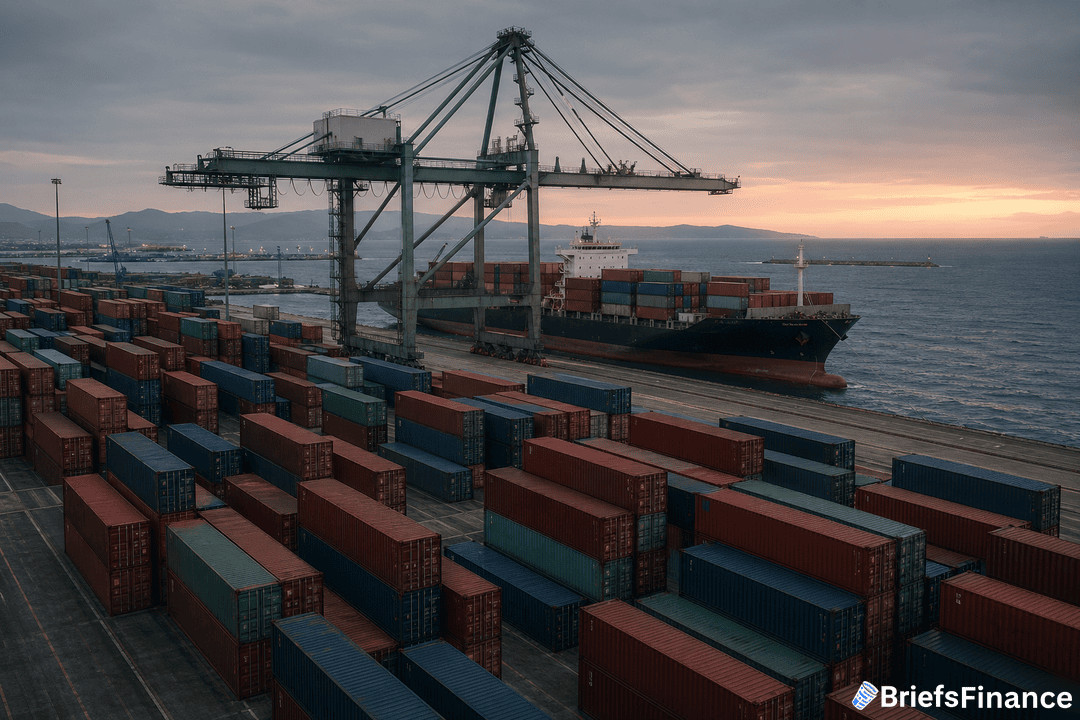
China's first quarter looked strong on paper. The numbers underneath tell a different story.
GDP grew 5% in the three months through March. That beat the 4.8% growth Reuters-polled economists were looking for.
It also matched the top end of Beijing's 2026 growth target of 4.5% to 5%. That is the lowest target the country has set since the early 1990s.
Then March happened, and the export engine that had been holding things up began to stall.
For most of the quarter, exports were doing the heavy lifting. They jumped 14.7% year over year in dollar terms, the fastest pace since early 2022.
In March alone, growth fell to 2.5%. That is down sharp from 21.8% in the Jan-Feb run.
The slide lined up with the start of the Iran war on Feb 28. The war sent oil prices up, snarled shipping through the Strait of Hormuz, and pushed up factory costs.
Robin Xing, chief China expert at Morgan Stanley, framed the math for investors. Even if China gains share in some sectors, the global trade pie is shrinking faster than its slice grows.
The export slowdown lands on top of a home economy that is not picking up the slack. March retail sales rose 1.7% from a year earlier, missing the 2.3% growth economists expected.
Auto sales fell year over year. That is a sign nervous shoppers are pulling back on big-ticket buys.
The property sector kept dragging on the rest of the economy. Real estate investment is down 11.2% so far this year, worse than the 9.9% drop in the same period last year.
Industrial output rose 6.1% in Q1, while retail sales grew just 2.4%. Factories are running hard, and shoppers are sitting on their hands.
Beijing has not moved on a big stimulus yet. Tianchen Xu of the EIU, an expert group, said strong Q1 growth has cut the need to ease policy.
That call gets harder if the export engine stays cold.
China still gets only about 6.6% of its energy from oil shipped through Hormuz, far less than its Asian neighbors. The pain is showing up less in fuel prices and more in everything fuel touches: shipping, plastics and global demand for the stuff China makes.
There is one more red flag. China's factory-gate prices rose in March for the first time in more than three years. That signals the energy shock is starting to seep into goods, where it can squeeze thin profit margins for makers.
Mao Shengyong of the China Statistics Bureau said the oil price hike has not had a major hit on the home economy. He still hopes for the Middle East to settle down.
The Q1 print is the last clean number for a while. The next one is the one to watch.
For now, the GDP beat is the headline. The March slow-down is the truth.