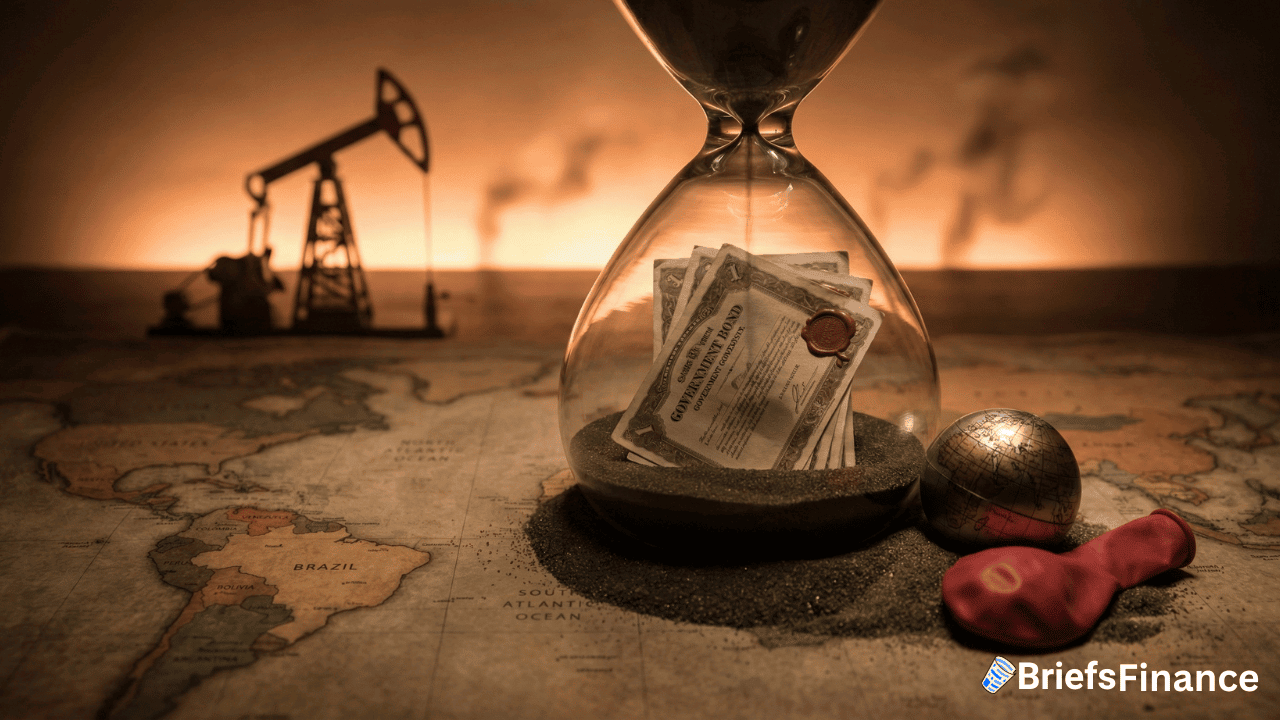
When the world gets scary, investors usually pile into bonds. That's the playbook. This week, they're doing the opposite.
Why Bonds Are Selling Off
The 10-year Treasury yield climbed to around 4.09% Tuesday — its biggest move since October — even as stocks slid and oil surged. Normally, geopolitical chaos sends investors rushing into government debt for safety, pushing yields down. Instead, they're selling.
The reason is inflation. Randy Vogel, head of fixed income at Wilmington Trust, explained the chain reaction simply: "Higher oil prices leads to more inflation, and more inflation leads to higher interest rates." When investors expect higher inflation, they demand higher yields to hold bonds — which means prices fall.
Making it worse: Monday's ISM Manufacturing data showed factory input prices surging 11.5 points to 70.5 in February. Oil shock on top of that is a bad combination.
What This Means for Rate Cuts
The bond selloff is effectively the market sending a message to the Fed: don't cut rates yet. Societe Generale strategists estimate a sustained $20-per-barrel oil spike could add a full percentage point to global inflation. That's not a rounding error.
Kathy Jones, chief fixed income strategist at the Schwab Center for Financial Research, noted that bonds had been riding high — their best start to a year since the pandemic. That rally looks fragile now.
If oil stays elevated, the Fed's easing path gets harder. And that's bad news for anyone hoping for relief on mortgages, car loans, or credit card rates.