Uber wins almost every ride market on the planet. South Africa is the rare miss. Bolt is the Estonian rival most Americans have never heard of. It holds more than half the market there.
And now it's about to widen the lead with Chinese EVs.
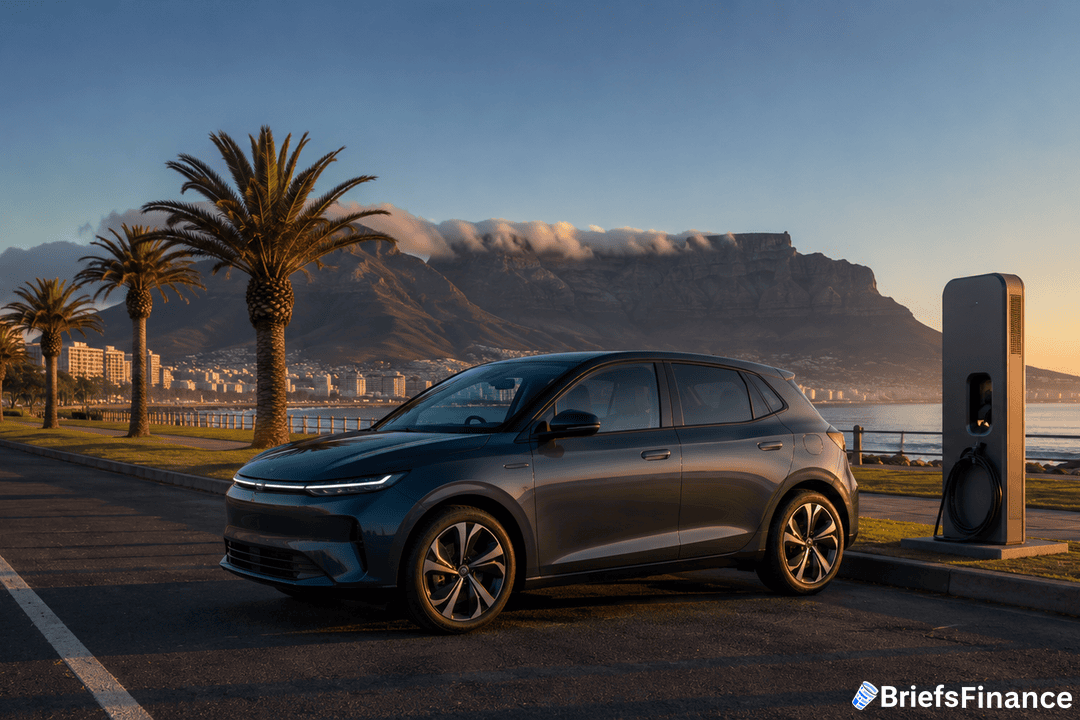
The deal pairs Bolt's drivers with cars from Dongfeng Motor Group, one of China's biggest carmakers. A fleet firm called Yugo Rides will own and run the cars.
Why South Africa Is Bolt's Crown Jewel
Bolt has spent about $180 million to build up South Africa. The bet has paid off.
The country sits in Bolt's top 10 markets worldwide. Bolt says it holds more than half of local rides. That would make South Africa one of the few spots on Earth where Uber is not number one.
Higher oil prices, driven in part by the Iran war, have made fuel a brutal cost for drivers.
EVs cost a lot less per mile to run. That's the whole point of the deal. Lower costs mean drivers keep more of each fare. And Bolt can sign up more drivers without raising prices.
We break down the moves Wall Street is watching in Market Briefs. Sent every weekday morning, with a free investing masterclass when you join.
The China Angle
For Dongfeng, this is a back door into Africa. Chinese carmakers are gaining ground in Europe and Southeast Asia. But most don't yet have the brand pull of a BYD outside Asia.
A ride app puts Dongfeng cars in front of millions of riders. No need to build a chain of dealers from scratch.
The two cars on the app are the Box hatchback and the higher-end 007 sedan. Bolt is starting in Cape Town. That's where the country's charging network is strongest. The grid is steadier now too as load-shedding cuts have eased.
Bolt runs in more than 50 countries and 850 cities. It also offers food delivery and scooter rentals.
What To Watch
Bolt is said to be weighing an IPO. A 2022 funding round valued the firm at EUR 7.4 billion. Backers include Sequoia Capital and Fidelity.
Showing it can switch a fleet to EVs in a real market is the kind of story public-market investors tend to like. It also helps Bolt stand apart from Uber. Uber has poured cash into self-driving but moved slowly on EVs in emerging markets.
If the Cape Town rollout works, the same playbook could land in Nigeria, Kenya, and Ghana next. Bolt has not shared how many cars are in the fleet or the cash terms of the deal.
South Africa was already Bolt's strongest proof point. The Dongfeng deal is the firm doubling down.
Bolt has since moved into East Asia with a launch in Taiwan. It opened in Canada under a sub-brand called Hopp. And it put scooters on the streets of Washington, D.C. The South Africa EV play fits the same theme: hit the spots where Uber's grip is weakest, then push hard.
The next test is simple. Can the firm ship its first batch of Dongfeng cars and keep them charged?
Sign up here and get the daily newsletter, with a 45-minute investing course thrown in as a bonus.