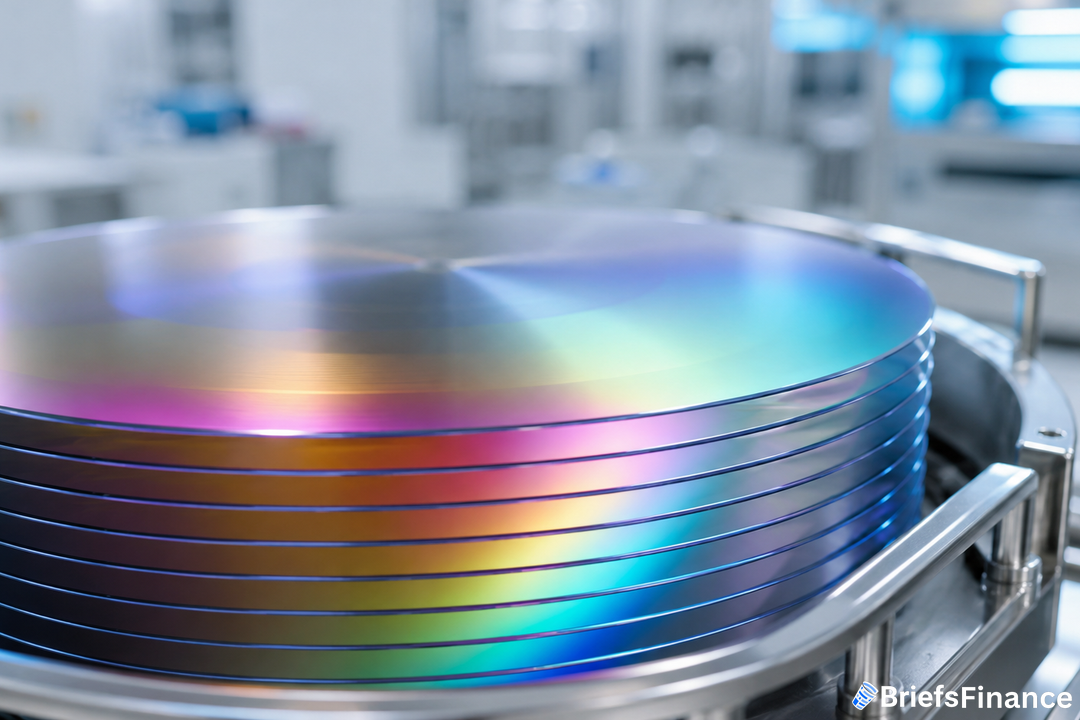
Asia is still shipping chips. It's just charging a lot more for them.
The gap between what chips cost and how many are moving is now the widest on record. AI buyers are paying up because they have to.
The Numbers Behind The Split
China's chip imports in March looked like a runaway boom on paper. The value of chips coming in jumped 54% from a year earlier.
Strip out the price effect and the picture changes. The actual count of chips coming in rose just 14%, per Pantheon Macroeconomics.
That's a price story dressed up as a demand story. Buyers across the AI buildout are not getting many more chips.
They're just paying a lot more for the ones they get.
South Korea is the clearest example. Chip shipments out of the country in April were close to triple what they were a year earlier.
Memory prices kept climbing.
Taiwan tells the same story. Chip exports there keep setting records.
The rest of its export book is running flat.
Want this kind of read on the markets every morning? Join the 350,000+ investors reading Market Briefs and get a free 45-minute investing class when you sign up.
Why Investors Should Care About The Mix
For chip makers, prices doing the heavy lifting is better than shipments doing it.
Higher prices flow straight to margins. More shipments get eaten up by raw materials, labor, and capacity.
Why? Pricing power is what investors pay up for. It's the power to raise prices and not lose buyers.
Right now AI chip makers have all of it.
The setup means TSMC, Samsung, SK Hynix, and the broader Asian chip chain are pulling more profit out of each wafer.
That's why those stocks have been on a tear even as global trade growth has cooled.
There is a catch. Pricing power from a supply crunch usually ends the same way.
More plants get built and prices ease. Then margins shrink.
The chip cycle has done this before. The open question is when the next wave of supply catches up to AI demand.
What To Watch
China is now set to grow imports 5% this year, more than twice the 2.4% pace called for in March.
Korea and Taiwan are running record export months on the back of the same trend.
Memory contract prices are still being marked up each quarter. That keeps the margin story alive for the biggest names in the chain.
The yuan has also gained close to 7% on the dollar in the past year. That gives Chinese buyers more buying power and props up imports too.
If chip counts start catching up to dollar values later this year, that's the first sign supply is finally meeting demand. Until that flip shows up, the margin trade stays in charge.
For investors, the play is simple. The Asian chip names with the most price power keep the upper hand.
The ones with only volume to sell get squeezed.
Every morning, Market Briefs breaks down what moves like this mean for your money. Five minutes a day, plus a free investing class as a bonus.