Investing is not a one size fits all approach. Some […]

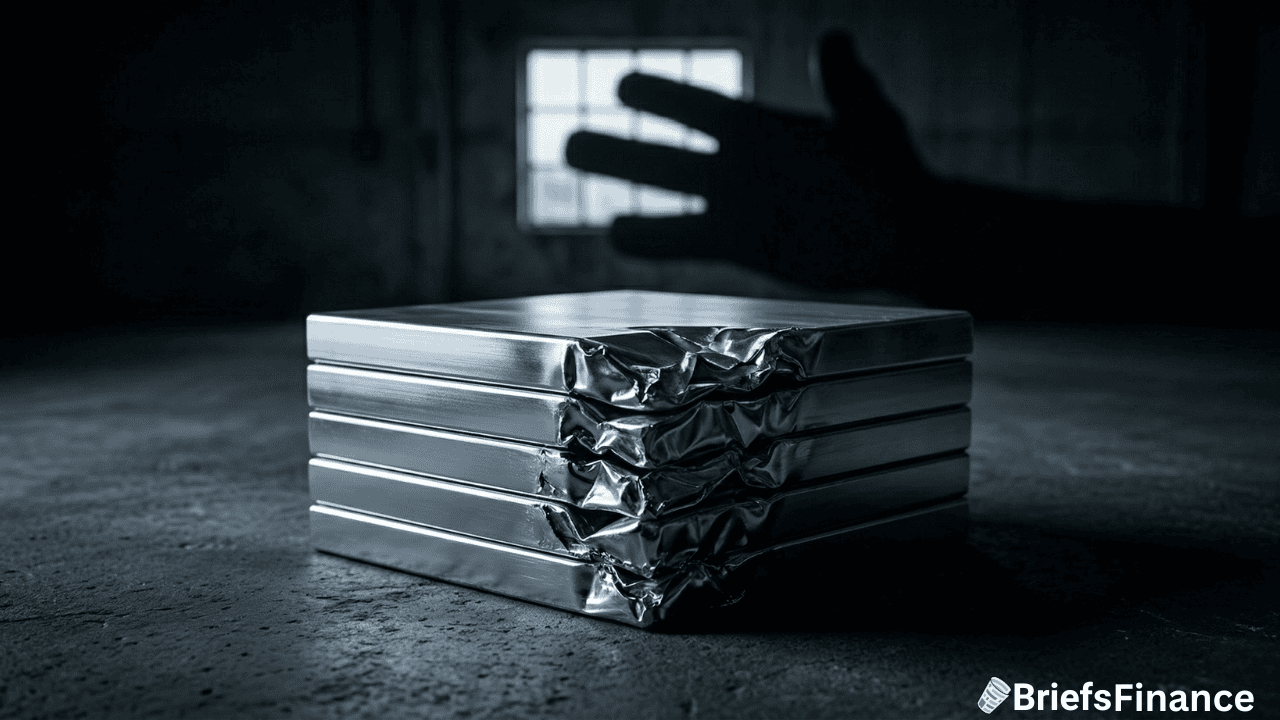
The global aluminum market was already running on thin margins before Saturday.
Then Iran made it worse.
Iranian drones and missiles struck two major Gulf aluminum producers over the weekend - Emirates Global Aluminium and Aluminium Bahrain. EGA confirmed its Al Taweelah smelter took heavy damage, with multiple workers injured.
That smelter alone churned out 1.6 million tons of aluminum last year. To put that in perspective - it's a meaningful chunk of a market that was already struggling to keep up with demand.
Monday's trading told the story. Aluminum jumped as much as 5.5% on the London Metal Exchange, with prices briefly topping $3,490 per tonne - territory the metal hasn't touched since the spring of 2022.
The rally cooled off by the afternoon, but aluminum still finished the session about 3.5% higher near $3,380.
Since the conflict kicked off on Feb. 28, aluminum is up roughly 10%.
The strikes grabbed headlines. But the real pressure has been building for weeks.
Iran has choked off the Strait of Hormuz - the narrow shipping lane that connects Gulf producers to the rest of the world. Even undamaged aluminum is trapped.
The Gulf puts out about 9% of global supply, and almost none of it is getting through right now.
Macquarie's commodities team had already been expecting a 20% hit to regional production capacity before Saturday's attacks - roughly 800,000 to 900,000 tonnes of lost output in 2026. That alone was enough to tip the entire global market into a full-year shortage.
Now the math looks even worse.
S&P Global's aluminum analyst April Kaye Soriano told CNBC the attacks could permanently shift how the market prices future supply. If the damage sticks, any hope of a short-term pullback in prices disappears - and the market starts pricing in a longer, deeper squeeze.
Here's where it gets tricky.
China makes more aluminum than anyone else on the planet. But Beijing has drawn a hard line at 45.5 million tons of annual output - a ceiling designed to curb carbon and keep the market from getting flooded.
Some analysts think Beijing could change course if the pain gets bad enough. ACG Metals CEO Artem Volynets made that case on CNBC earlier this month - arguing that China has enough dormant smelting capacity to flood the global market with metal if it wanted to.
But S&P Global sees it differently. Soriano says China's room to ramp up production is tighter than people assume. And even if Beijing wanted to open the taps, the global market would still be exposed to more shocks if the conflict spills over into other metals.
Investors should keep their eyes on two things - how quickly EGA can get its smelter back online, and whether Beijing signals any shift in its production cap.
The Gulf's aluminum output was already under pressure before a single missile hit. Saturday just proved how little cushion was left.
Investing is not a one size fits all approach. Some […]
Everyone with an internet connection is using AI to better […]
You just opened your first brokerage account and you’re ready […]
Everyone knows AI needs chips. For a while, investment dollars […]
When you get your first, “real” job, it often comes […]
Most investors hear the word "options" and picture a Wall […]
Most of us grew up being taught the same thing: […]
Gold has been around longer than any stock market, any […]
Most people think the only way to make money in […]
The stock market is like any other business - it’s […]