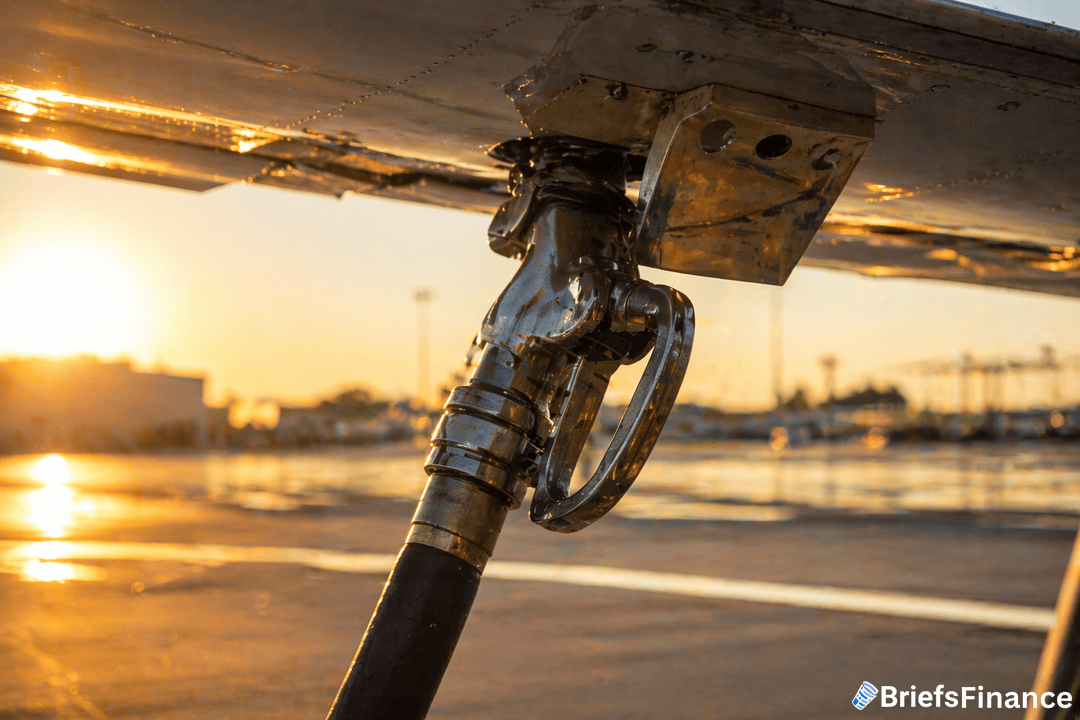
The Iran war is now hitting a part of travel most people never think about: jet fuel supply. The International Energy Agency said Europe and parts of Asia could face real jet fuel shortages within six weeks, which would mean flight cancellations and tighter summer schedules.
U.S. airlines are not in immediate danger of running out, but they are paying dramatically more for every gallon they pump. Carriers are already cutting cheaper flights to protect margins as fuel prices climb toward levels not seen since 2022.
Why the Shortage Is Happening
Over 20% of the world's seaborne jet fuel supply moved through the Strait of Hormuz last year, with two-thirds of that heading to Europe. With the strait largely closed by the U.S. naval blockade, those flows are blocked, and Kuwaiti and Bahraini jet fuel is stuck in port.
South Korea, the world's largest jet fuel exporter, also depends on Middle East crude to feed its refineries. Asian countries are limiting jet fuel exports to protect their own airlines, which tightens the global market even more.
What It Costs the Airlines
Fuel is the second-biggest airline cost after labor, and a single-aisle jet burns about 800 gallons of it per hour. Delta said last week it could spend an extra $2 billion on fuel this year even though it owns its own refinery.
United CEO Scott Kirby told employees the carrier could spend an extra $11 billion on fuel this year if conditions hold. United has already cut its planned schedule by about 5% over the next six months, with Kirby putting it bluntly: "There's just no point in flying flights that are going to lose money that can't cover the cost of fuel."
What Travelers Are Seeing
At the ticket counter:
- Walk-up fares to the Caribbean are up 74% from earlier this month.
- Hawaii walk-up fares are up 21%, per Deutsche Bank data.
- Spirit Airlines has warned the fuel jump could push it into liquidation.
Matt Smith, head U.S. analyst at Kpler, expects the pain to last "until at least July. And even that may be optimistic at this point."
The Downstream Effects
Cargo operators are also starting to feel the squeeze, with FedEx and UPS raising fuel surcharges on domestic shipments. That flows into e-commerce pricing within weeks, since free shipping lines get tighter as surcharges stack up.
Business travel is the next signal to watch. Corporate travel managers historically cut trips before leisure travelers pull back, so a drop in business bookings would confirm that higher fares are starting to reshape demand.
What to Watch
Watch the small carriers first, since they have the thinnest margins and the least fuel hedging in place. Spirit is the most exposed, but JetBlue and Frontier also feel every cent of jet fuel above $3 a gallon.
Summer booking trends will be the next real read on whether higher fares are sticking with travelers or whether demand finally breaks.