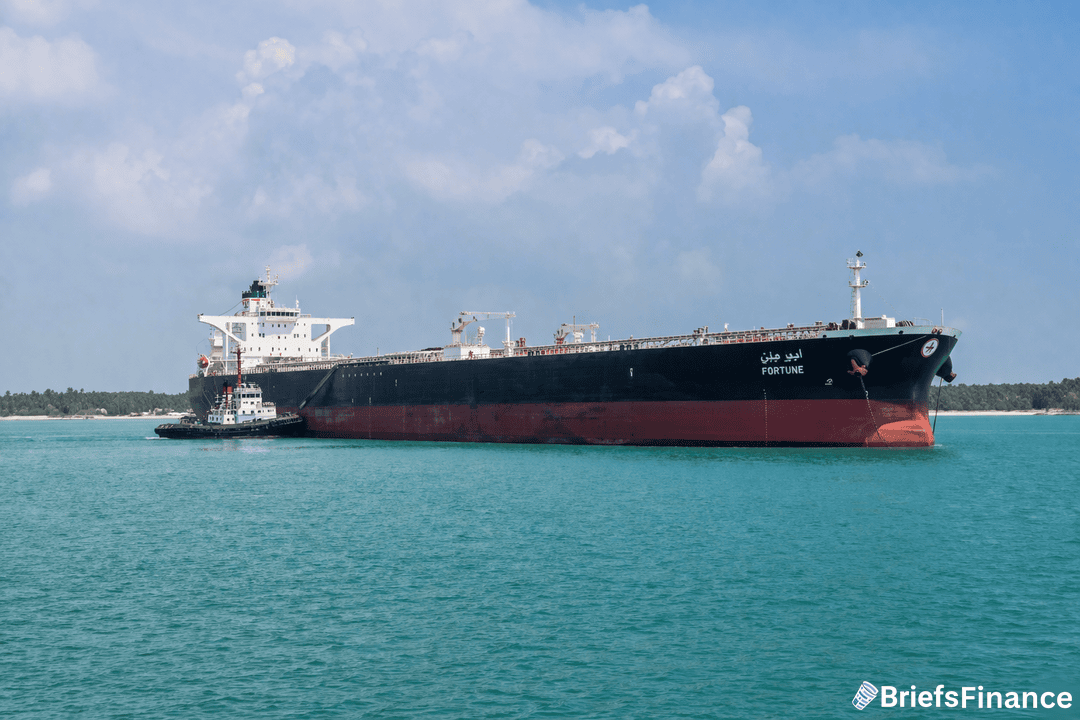
Iranian crude oil just landed in India for the first time since 2019 - and the window for more is about to slam shut.
Two supertankers operated by Iran's national tanker company docked at Indian ports this month, carrying about 2 million barrels each loaded at Iran's Kharg Island. Indian Oil Corporation confirmed it bought at least one of the shipments.
How It Happened
The U.S. issued a one-month sanctions waiver last month covering Iranian oil already in transit, aiming to ease global supply pressure and slow the climb in prices during the Hormuz crisis. The waiver was narrow - it only covered cargoes that were already loaded and at sea, not new purchases.
These were the first Iranian crude cargoes to reach Indian shores in nearly seven years, after sanctions cut off the trade in 2019. Before the sanctions, India was one of Iran's biggest oil customers, buying more than 500,000 barrels per day at its peak.
That relationship was worth billions of dollars annually for both countries and gave Indian refiners access to some of the cheapest crude in the Middle East.
Why India Moved Fast
India is the world's third-largest oil importer, bringing in roughly 4.5 million barrels per day to feed its refineries. With Hormuz closed and global supply tightening, Indian refiners jumped at the chance to buy Iranian crude the moment the waiver appeared.
The price mattered too. Iranian oil historically trades at a discount of $3 to $5 per barrel compared to other Middle Eastern grades, giving Indian refiners better margins at a time when refining economics are under pressure from rising input costs across the board.
India has been looking for alternative supply sources since the strait closed, signing spot deals with producers in West Africa, Brazil, and the United States. But those barrels come at a premium and take longer to arrive, making Iranian crude - already loaded and in transit - the fastest and cheapest option available.
Indian refiners process the crude into gasoline, diesel, and jet fuel at massive coastal facilities, some of which were built specifically to handle heavier Middle Eastern grades like Iranian crude. Running those refineries on lighter crudes from other regions is possible but less efficient, which adds to the cost squeeze.
The Clock Is Ticking
The waiver expires April 19. After that, any new Iranian oil heading to India would put buyers at risk of U.S. sanctions again, including potential penalties on Indian banks and shipping companies that handle the transactions.
That date matters for the broader oil market too - it falls right around when the last pre-closure tanker that cleared Hormuz on February 28 reaches its final stop. Both deadlines converging at the same time could add fresh pressure to oil prices that are already above $100.
What to Watch
The fact that Indian refiners jumped in the moment a waiver appeared tells you how tight the global oil market has become. Normally, they would not touch sanctioned crude - but right now, supply is scarce enough to make the risk worth taking.
If the waiver is not extended, the 4 million barrels that just landed could be the last Iranian oil India sees for years - and the supply gap gets harder to fill.