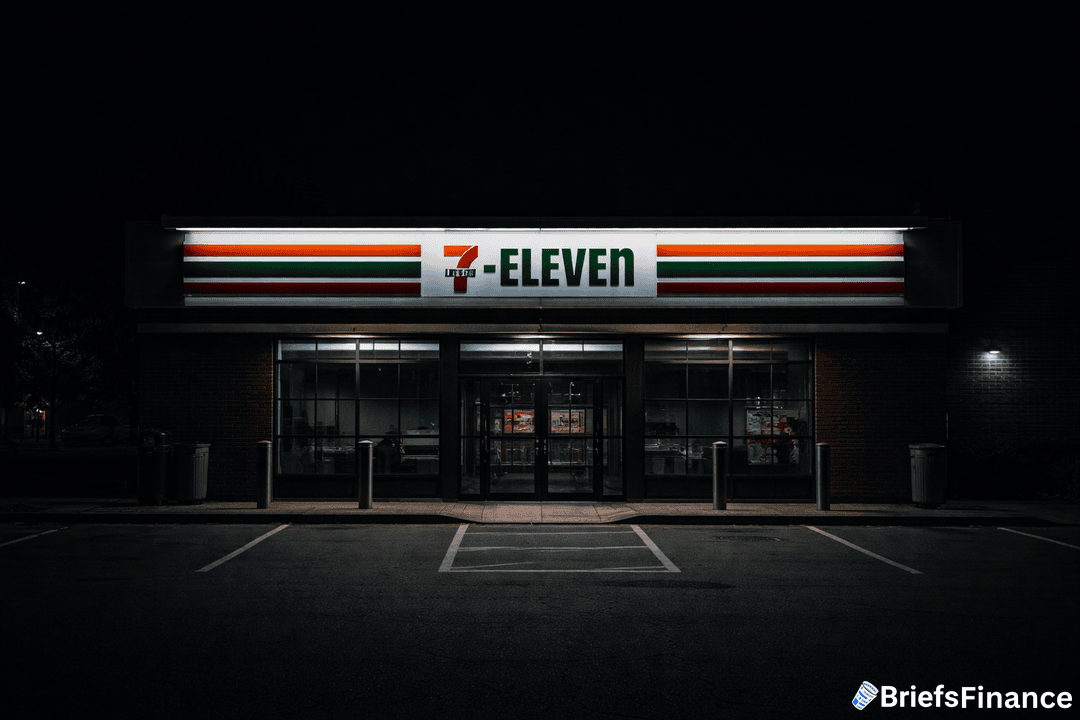
The chain that made the Slurpee famous is closing 645 stores. And it's not done yet. Seven & i Holdings - the Japanese parent firm of 7-Eleven - said 645 North American locations will shut down during the fiscal year that began in March 2026. That's on top of the 600-plus stores it already closed over the past two years. This is the fifth year in a row that 7-Eleven has closed more stores than it opened.
Why So Many Stores Are Going Dark
The old model is broken. For decades, 7-Eleven made money from three things: cigarettes, gas, and snacks. All three are fading.
Fewer people smoke. That means less tobacco revenue. Electric cars are cutting into fuel demand. And gas margins keep getting squeezed by wild swings in oil prices. The stores being shut down are mostly small, old, and not set up to sell what 7-Eleven wants to sell next. And what it wants to sell next is food. Real food. Hot meals, fresh drinks, and grab-and-go options. The problem: You can't put a kitchen in a store that was built for candy bars and Slurpees. The old layout doesn't work. So the company is closing those stores and opening new ones that can handle a full food menu.
The Numbers
In the spring of 2024, 7-Eleven had more than 13,000 stores across North America. By March 2027, that number will drop to 12,272. That's a net loss of about 730 stores in three years. Not every closed store becomes an empty lot. Some are being turned into "wholesale fuel stores." That model keeps the gas pumps running but drops the retail side. The company also plans to open more than 200 new stores this year. Those will be bigger, built around food, and made for the future of the brand. In plain terms: Think of it as a swap. Old, small stores go away. New, bigger stores take their place. The total count goes down, but each remaining store makes more money.
The IPO Factor
Seven & i Holdings has been planning to take 7-Eleven's U.S. arm public. But the IPO has been pushed back by at least 11 months due to shaky markets. CFO Yoshimichi Maruyama said the company is cutting costs and bringing some work in-house to get ready for the offering. Closing weak stores is a big part of that effort. It makes the books look better. When you drop the locations that lose money, the profit per store goes up. That's the kind of number that matters to IPO investors. Why this matters: The timing of the IPO will shape how fast the closures happen. If markets calm down and the IPO moves forward, the pace could slow. If it gets pushed again, expect even more stores to shut.
What to Watch
The 7-Eleven of 2027 will look nothing like the one most people grew up with. Fewer stores. Bigger footprints. More food. Less gas. The question is whether the bet on food pays off fast enough to make up for the stores being lost.
What This Means for Your Town
If there's a 7-Eleven near you, it may or may not stay. The company hasn't said which stores are on the list. But if your local shop is small, old, and mostly sells gas and snacks, the odds aren't great. For the towns that lose stores, it could mean one less place to grab a quick meal or fill up the tank. For the towns that get new ones, the new 7-Eleven will feel more like a fast-food spot than a gas station.