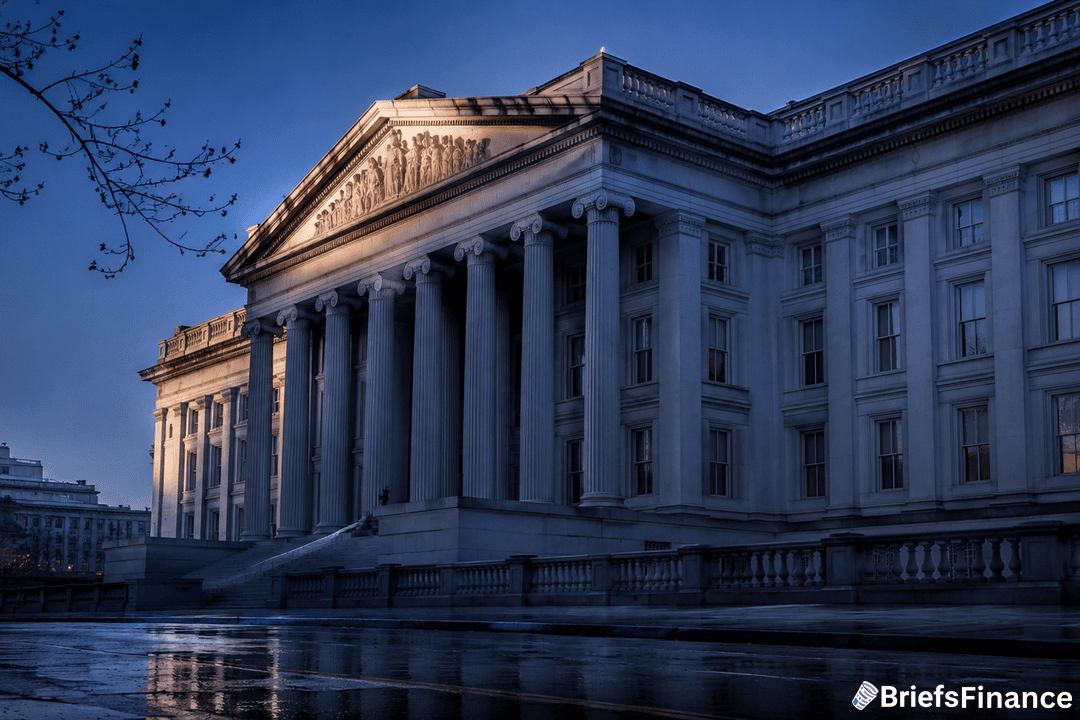
The 30-year Treasury yield just hit 5.2%, the highest level since 2007, with the 10-year yield sitting near 4.67%.
Treasury Secretary Scott Bessent has called the spike "transient" and tied it to the Iran war. Bond strategists are not buying it.
What Is Driving Yields
When investors demand higher yields, they want more cash to lend the government money, which happens when inflation is rising or the buyer doubts the borrower can pay without printing more dollars.
Both are flashing right now.
April's Consumer Price Index, or CPI, came in at the highest annual reading in three years, driven partly by the spike in oil and jet fuel since the war started.
Two-year yields, which track expectations for Federal Reserve rate moves, are at a one-year high, telling you investors think the Fed is stuck or could even hike again.
We break down moves like this every morning in Market Briefs, and you also get a free investing masterclass when you join.
Why Even Peace Might Not Help
The bond selloff has gone global, with the 30-year UK gilt yield hitting its highest level since 1998 and Japan's 30-year hitting a record.
"The forces driving the sell-off - fiscal deterioration, defense spending, sticky inflation, central bank paralysis - are not resolving in the next week. They are getting worse," Ajay Rajadhyaksha, global chairman of research at Barclays, said in a note.
Strategas Research Partners' head of fixed income, Thomas Tzitzouris, said inflation is the single biggest driver, with skyrocketing deficits a close second.
Worth Noting
Every basis point on the 10-year matters because it sets the floor for mortgage rates, auto loans, and corporate borrowing.
The 10-year was just under 4% before the Iran war started, and it has barely come down since, with bond markets refusing to act like a safe haven.
A yield curve that does not respond to a possible ceasefire is a yield curve telling you the inflation problem started somewhere else.
If you want a five-minute daily breakdown of what bond moves mean for your portfolio, subscribe to Market Briefs, and you also get a 45-minute investing course as a sign-up bonus.