We live in a capitalist economy - that means the system is designed to benefit some more than others.
It also means that most of us were taught everything wrong about money.
The truth is: Money isn’t bad and having more of it does not make you evil.
Money is a tool. It amplifies what is already there.
Good people with money will continue to do good. Bad people with money will likely still be bad.
But the bottom line: It is your duty to become wealthy - because if money is a tool, then it can be used to help your family, friends, community, and more.
But before you can begin growing your wealth, you have to develop an investing mindset.
That means understanding that money is abundant and switching how you view and think about money.
This article will show you exactly how to develop an investing mindset, why it's important, and what you should consider as you finally begin investing.
One thing that’s important for investors to recognize is that markets change.
Watching where money is going is much more important than spotting where it’s been.
Our CEO Jaspreet Singh is hosting a free investor workshop on March 16th, 2026 which will help you identify market shifts and potential stock market opportunities.
Spots are limited - register for free by clicking here.
The Wealthy Mind Comes First
You have to be wealthy here - in your head - before you can be wealthy in your bank account.
That might sound soft, but the data backs it up. More than 50% of people are unhappy with their investments.
Most of them don't lack the tools and the mindset.
What you can change: How you think about money.
Stop saying "I can't afford it" and start asking "how can I afford it?"
Stop saying "I don't know enough" and start asking "how can I learn?"
That shift - from fixed thinking to growth thinking - is the difference between people who build wealth and people who stay stuck.
The Difference Between a Trader and an Investor
Once you rest your money mindset, let’s get a bit more technical on your mindset when it comes to investing itself.
There are two main types of investing styles:
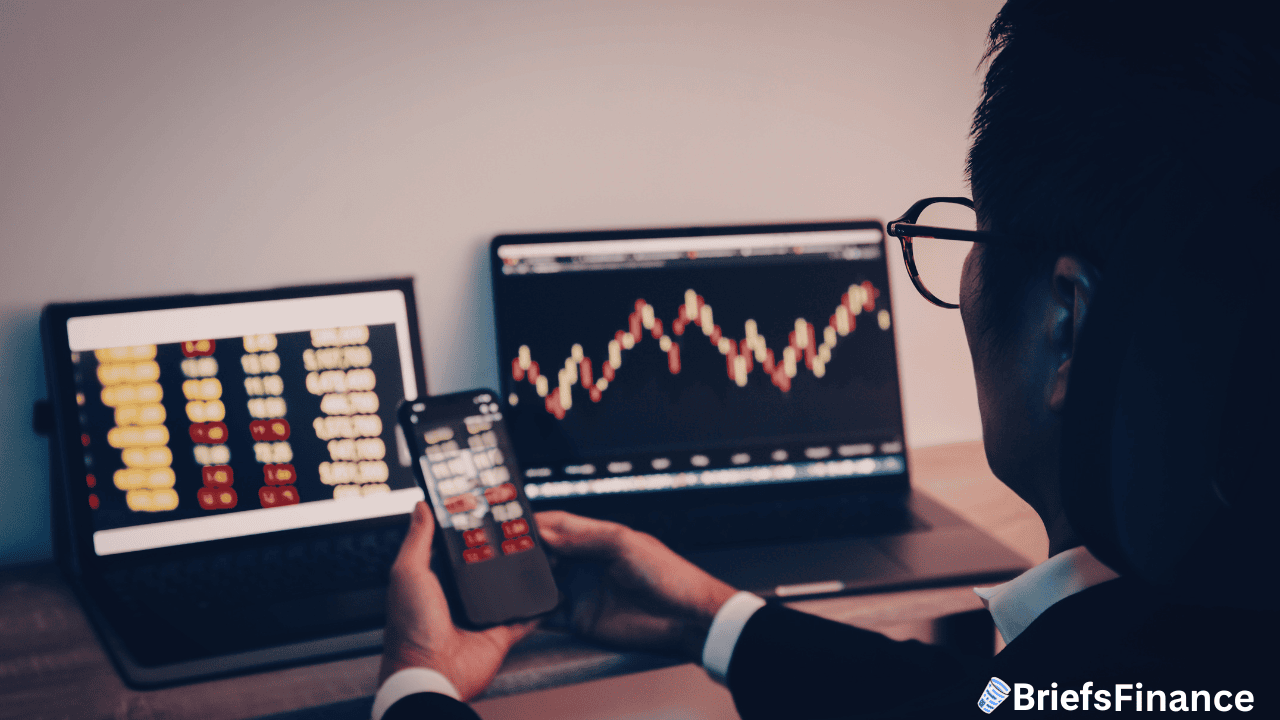
Traders react to price movements. They see red, they sell.
They see green, they buy. Over time, it can be tough to accurately predict every swing every day.
Investors ask why. When a stock drops, they don't panic. They research.
They figure out if it's a temporary dip or a real problem. Then they make a calm, rational decision.
Think about every major market crash in recent history - 2008, 2011, 2018, March 2020.
Every single time, people panicked and sold.
And every single time, the market recovered.
Now, that’s not to say, markets are guaranteed to always go up in the future.
But the mindset shift here is simple: Understand what’s moving markets and you’ll always be able to find an opportunity.
That's the investing mindset in action.
Growing vs. Earning: Know the Difference
Here's an investing mindset shift that will change your perspective.
Trading is about earning money right now. It's faster, flashier, and a lot riskier.
Investing is about growing your money over time. It's slower, steadier, and - when done right - far more powerful.
Ask yourself: what's my goal right now?
Am I trying to earn a quick return, or am I trying to build real, long-term wealth?
If it's the latter, the investing mindset is your foundation.
Everything else - the stocks, the funds, the strategies - comes after.
The CPA Method: Mindset in Action
Once you have the right investing mindset, you need a system that reflects it.
Consider the CPA system. No, not like the person who helps you organize your money.
In this case, CPA stands for Consistent, Patient, Automated.
But here’s what it means:
Consistent means you invest on a schedule - every week, every two weeks, every month - no matter what the market is doing. Up or down, you keep going.
Patient means you're investing for decades, not months. You're not looking for a quick win. You're letting compound growth do its thing.
Automated means you set it up and it happens whether or not you feel like it. Automation removes emotion from the equation.
No second-guessing. No hesitation. Just discipline, on autopilot.
This isn't glamorous. But for many investors, it works.
And it works precisely because it takes the emotion out of investing and forces you to think like an investor, not a trader.
When the Market Drops: What to Actually Do
You will lose money at some point when you invest - it's inevitable.
Just like our economy, markets go through periods of booms and busts, often called bull and bear markets.
When markets do fall though, you need to be prepared. An investing mindset will tell you:
Step 1: Pause. Don't react immediately.
Step 2: Ask why. Is this a macro event - like a Fed rate decision or a tariff announcement? Is it a single bad earnings report? Or is there something deeper going on with the company?
Step 3: Research. Look at the fundamentals. Has anything actually changed about the business? Is the long-term thesis still intact?
Step 4: Decide based on facts - not fear.
If the business is still solid? Stay the course. If there are real warning signs - leadership shakeups, failing financials, governance issues?
Then cutting losses might be the smart move.
The investing mindset doesn't mean never sell. It means never sell based on panic.
Investing Mindset: Final Thoughts
Money is just a tool - and once you understand how it works, you’ll be one step closer to developing an investor mindset.
What does that mean? Shifting the way you were probably taught about money from “I can’t” to “I can”.
It also means patience, planning, and keeping your emotions in check is what defines investors in the long-term.
Building an investing mindset isn't something that happens overnight.
But every time you pause before reacting, every time you ask why instead of hitting sell, every time you stay consistent even when it's uncomfortable - you're building it.
And that mindset? It's worth more than any stock tip.
Don’t forget: March 16th our CEO Jaspreet Singh is hosting a free investor workshop where he shows you how to take your investor mindset and identify shifts in the market.
Register for free by clicking here - but act fast, spots are limited.