Free NewsletterPro Login

Warning: Undefined variable $stocks in /var/www/briefs.co/htdocs/wp-content/plugins/oxygen/component-framework/components/classes/code-block.class.php(133) : eval()'d code on line 448

Warning: foreach() argument must be of type array|object, null given in /var/www/briefs.co/htdocs/wp-content/plugins/oxygen/component-framework/components/classes/code-block.class.php(133) : eval()'d code on line 448

Warning: Undefined variable $funds in /var/www/briefs.co/htdocs/wp-content/plugins/oxygen/component-framework/components/classes/code-block.class.php(133) : eval()'d code on line 472

Warning: foreach() argument must be of type array|object, null given in /var/www/briefs.co/htdocs/wp-content/plugins/oxygen/component-framework/components/classes/code-block.class.php(133) : eval()'d code on line 472
/* the link was here */
Free Live Investor Workshop
The dollar is losing value. Here’s how investors can still profit. Click Here to Save Your Seat →         
Home » Deep Briefs »  » How To Start Investing: Getting Started With $100 Or Less

How To Start Investing: Getting Started With $100 Or Less

Published: Feb 1, 2026 
Disclosure: Briefs Finance is not a broker-dealer or investment adviser. All content is general information and for educational purposes only, not individualized advice or recommendations to buy or sell any security. Investing involves significant risk, including possible loss of principal, and past performance does not guarantee future results. You are solely responsible for your investment decisions and should consult a licensed financial, legal, or tax professional before acting on any information provided.
Summary:

Investing means making the choice to start building wealth today.

Luckily, you can get started with as little as $100 or less.

Just choose your path, pick your strategy, and start investing based on your goals and risk tolerance.

When most people think about Wall Street, they imagine billions of dollars moving from company to company.

And while billions are traded every day, you don’t need millions or even billions of dollars to start investing.

In fact you can get started with $100 or less.

That’s because being an investor and building wealth isn’t as complicated as it may seem.

You just need to know how to get started - and the simple decisions you make today can change your financial future forever.

And by the end of this guide, you'll know exactly how to take that first step.

Let’s break down how to start investing - what you need, the different types of investing, mistakes to avoid, and more.

Stick around until the end: Because once you know how to invest, the next question will be, “What can I invest in?” Market Briefs Pro may be able to fill in the gaps.

Your Investment Mindset Matters

Before you get started as an investor, you need to change the way you think about money.

Why? Many of us have different experiences with money, what it means, and what it is for.

But wealthy people think differently:

  • They pay themselves first (invest before spending).
  • They see money as a tool, not a goal.
  • They focus on building assets, not just earning income.

Poor financial habits:

  • Spending everything you earn.
  • Saving without investing.
  • Waiting until you "have more money" to start.

Your mindset determines your success more than your income level. Someone making $50k who invests 15% will build more wealth than someone making $150k who invests nothing.

Build Your Decade of Sacrifice

Real financial change takes time. If you want to drastically improve your life, commit to 10 years of living below your means and investing aggressively.

This doesn't mean misery. It means choosing delayed gratification. 

In 10 years, you'll have freedom most people never experience.

Why You Need to Start Investing (Not Just Saving)

You were probably told growing up that if you want to become wealthy, you need to save money. 

Here's the harsh reality: You can never save your way to wealth in today's economy.

Here’s why:  In the early 1970s, a single income could buy a home, support a family, fund vacations, and pay for college. 

Today, two-income households struggle to achieve the same things. 

What changed? Inflation.

Your savings lose value every single year - that $1,000 sitting in your bank account had way more buying power 50 years ago than it does now. 

If you just keep saving without investing, you're essentially getting poorer.

The Three Smart Reasons to Save Money

Let’s be clear: You still do need to save money.

But, you don’t need to save money forever. Saving money before you invest though can be helpful.

Simply put - life happens. You get a flat tire or a window breaks. You need to fix it.

But if you don't have anything saved, you may need to dip into your investments to cover the cost, or go into debt.

That takes away from your future wealth.

So before you invest, you need three types of savings:

  1. Emergency fund - 3-6 months of expenses for unexpected crises.
  2. Big purchases - That car, vacation, or wedding ring.
  3. Investment capital - Money specifically earmarked to buy assets.

If you're saving for anything else, you're doing it wrong. Once you've saved your first $2,000 for emergencies, it's time to start investing the rest.

Trading vs. Investing: The Important Differences

When most people think about "the markets," they picture Wolf of Wall Street chaos. 

Suits, yelling - yeah, that's trading.

Trading means buying and selling securities on a short turnaround - holding for days, weeks, or maybe a month. Traders chase short-term gains from market swings.

Sounds exciting, right? Here's the problem:

  • 97% of day traders lose money in the long run.
  • Active traders usually underperform the market by 6.5%.
  • Trading can be hazardous to your wealth.

Investing is completely different. 

When you invest, you own an asset and let it grow. You're holding for years, not days and looking for stable growth that compounds

That gives your assets the opportunity to capitalize on the growing market rather than trying to time swings.

More often than not: Time in the market beats timing the market.

Active vs. Passive Investing: Which Path Is Right for You?

Once you decide to invest (not trade), you face another choice: active or passive investing.

Passive Investing

Passive investing means putting your money in stable, low-maintenance etfs or index funds that grow consistently. 

These index funds and ETFs usually track major markets like the S&P 500, but there’s also niche ETFs that track industries like tech.

Pros:

  • Minimal time commitment (set it and forget it).
  • Lower risk through instant diversification.
  • Perfect if you're working full-time and don't want to research stocks.

Best for: Beginners, busy professionals, anyone who wants steady growth without stress.

Active Investing

Active investing means picking individual stocks, analyzing companies, and actively managing your portfolio.

Pros:

  • Higher potential returns.
  • You learn real financial skills.
  • More control over your investments.

Cons:

  • More time-consuming (5-10 hours per week).
  • Higher risk if one company tanks.
  • Requires research and ongoing monitoring.

Best for: People who enjoy research, have time to analyze companies, and want to potentially beat index returns

There's no right or wrong path - just the right answer for your situation.

How to Start Investing: The Actual Steps

So now that you have the right mindset, you’ve set up your financial base with some savings, and you know your options, how do you actually start investing?

Let’s break down simple and common steps to get you started:

Step 1: Open a Brokerage Account

You can't invest without an account. A brokerage account is where you'll buy stocks, ETFs, and other investments.

What to look for:

  • Low or no fees.
  • Easy-to-use app or website.
  • Good customer support.
  • Educational resources for beginners.

Step 2: Fund Your Account

Once you have your account, start investing with what you can afford.

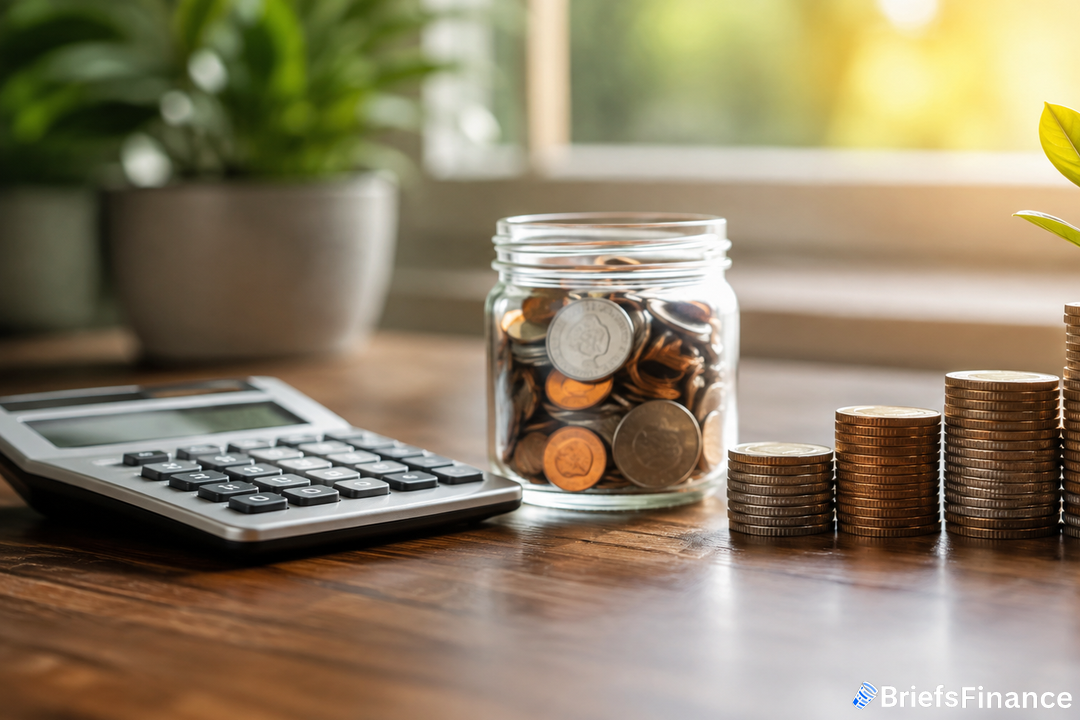
Even $100 is enough to begin.

How? Most brokerages will allow you to purchase fractional shares of a stock or ETF.

Can’t buy a full share of McDonald’s? No worries - you can purchase part of a share.

This means that you can literally start investing with $1.

Now, $1 won’t make you wealthy. But it can get you started.

If you want to actually use your income to build wealth effectively, you need a system.

Here's a simple framework called the 75-15-10 plan:

  • 75% of your income = living expenses.
  • 15% = investments.
  • 10% = savings.

If 15% feels impossible right now, start with 5%. The key is starting and building the habit.

Pro tip: Set up automatic transfers. Pay yourself first by moving investment money into your brokerage account the day you get paid, before you can spend it.

Step 3: Choose Your First Investment

Now you’ll need to start putting in the real work.

Decide if you want to be an active or passive investor.

That involves asking yourself, “Do I want to pick individual stocks or are ETFs more my thing?”

The reality: You can choose both - but most investors typically lean one way or the other. 

Committing is the first step to building wealth though. So choose your strategy and start investing based on your goals and risk tolerance. 

Then submit. Congratulations—you're officially an investor.

Step 4: Keep Going (Dollar-Cost Averaging)

The biggest mistake beginners make? Investing once and stopping.

Creating a system can help - but when exactly do you invest?

Many investors choose Dollar-cost averaging (DCA) once they know the ETFs or stocks they want to invest in.

What’s that? DCA means investing a fixed amount at regular intervals - weekly, biweekly, or monthly - regardless of market conditions.

Example: You invest $200 every month into an S&P 500 fund. 

Some months the market is high, so you buy fewer shares. Other months it's low, so you buy more shares. 

Over time, you get a better average price. 

This strategy removes emotion from investing. You're not trying to "time the market.”

How to Start Investing With Little Money

Once again: you don't need thousands of dollars to start investing and build wealth.

All you need is consistency.

Here's how to invest when you're starting with almost nothing:

Start With What You Have

If you had to invest $100 today, where would you start? Pick one your path and buy $100 worth.

Invest Your Raises

Every time you get a raise, increase your investment contribution by the same percentage (or more). This prevents lifestyle inflation.

Cut One Expense

Find one subscription, dining habit, or impulse purchase you can eliminate. Redirect that money to investing. Even $50/month becomes $600/year plus growth.

Sell Stuff You Don't Use

Old electronics, clothes, furniture - turn clutter into investment capital.

The amount doesn't matter nearly as much as the habit. Someone who invests $100/month consistently for 30 years will beat someone who invests $1,000 once and quits.

Common Beginner Mistakes (And How to Avoid Them)

Mistake 1: Waiting for the "Perfect Time"

There's never a perfect time. The market is always at all-time highs, recovering from a crash, or somewhere in between. Starting is what’s important.

Mistake 2: Checking Your Portfolio Daily

Investing is long-term, so daily fluctuations are not where your focus should be. Check quarterly, rebalance annually, and otherwise ignore the noise.

Mistake 3: Panic Selling During Downturns

The market will drop 10%, 20%, sometimes 50%. This happens over time, but emotions will still be high, which is normal. 

Selling during crashes locks in losses. 

Learning when to Buy during crashes is where many investors make their money.

Mistake 4: Not Having an Emergency Fund

Never invest money you might need in the next 6-12 months. Build that emergency fund first.

Mistake 5: Following Hot Tips

Your coworker's stock pick, Reddit hype, or influencer recommendations are not research. Do your own analysis.

The Bottom Line: Get Started Today

Wealth isn’t built through saving money - it’s built through hard work and consistent investing.

The good news: You can start investing today with under $100.

The (semi) bad news: Investing isn’t about getting rich quick - and building wealth won’t happen overnight.

Investing takes time - so the earlier you start, the more time your money has to compound and grow.

So get started with what you have today - choose your path, pick your strategy, and stay focused on the future.

Once you get started to invest - what do you actually invest in?

Our market analysts are researching individual stock market opportunities every week in Market Briefs Pro.

What’s that? Our investment reports give you all of the data you need to make smarter investment decisions.

Learn more and subscribe to Market Briefs Pro.


Tag »

More Deep Briefs

What Is Wealth Preservation? How To Protect Your Money From Anything

Why Is Everything So Expensive? Why Prices May Never Come Back Down

The U.S. Housing Market Just Flipped: Renting a Home Now Beats Buying One

An Interest Rate Hike in 2026? The Fed Just Broke Its Own Script

5 Passive Income Ideas That Pay You Whether You Work or Not

The Best Way to Invest 10k: Three Options To Transform 10K into 10 Million

The Tax Write Offs the Rich Are Using in 2026 While the IRS Shrinks

America Is Running Out of Debt Buyers. Treasury Bills Are the Government's Fix

How to Get the Most From Your Guideline 401k

Principal 401k: What to Know About Your Plan

What a Tariff Dividend Means for Your Money

No Tax on Overtime: How Overtime Pay Is Taxed

Reading the Silver Price Forecast for 2026

What to Do When Reddit Stocks Go Viral

Why Is Bitcoin Dropping Right Now?

The Fidelity 500 Index Fund, Made Simple for Beginners

USA Penny Stocks: Risks and Rewards Explained

Finding Cheap Stocks to Buy Now Without Getting Burned

Best Dividend Stocks: A Beginner's Playbook

Roth 401k, Explained for New Investors

How a Roth IRA Calculator Shows Your Future Wealth

Portfolio Diversification: Why Putting All Your Eggs in One Basket Destroys Wealth

Non Taxable Income: What It Is and Why It Matters

Semiconductor Stocks: A Simple Guide for Investors

How Stocks Work: A Simple Guide for Beginners

Stop Loss vs Stop Limit: What's the Difference?

Energy Stocks: A Simple Guide for Investors

What Is a Stop Loss Order? A Simple Guide

Best S&P 500 Index Fund: How to Choose One

What Are Penny Stocks? Risks and Rewards Explained

Best Stocks for Beginners With Little Money

Tech Stocks: A Simple Guide for New Investors

What Is a Joint Stock Company? A Simple Guide

Capital Gains Tax in California: A Simple Guide

Top Covered Call ETFs: How to Compare Them

What Are Stock Options? A Plain-English Guide

EBITDA Margin: What It Is and How to Calculate It

What Is Taxable Income? A Simple Guide for Investors

What Is a Covered Call? How the Strategy Works

What Is Gross Margin? A Simple Guide for Investors

What Is a Dividend? A Plain-English Guide for Investors

Financial Literacy Books That Actually Build Wealth

What Is a Roth Conversion? A Simple Guide

Trailing Stop Loss: How to Protect Your Gains

5 Types of Wealth: Why Money Is Only One of Them

How to Invest in Private Equity: A Beginner's Guide

What Is a Call Option? A Simple Guide With Examples

EBITDA Formula: How to Calculate It Step by Step

What Is a Stock Option? A Plain-English Guide

Put Option: What It Is and How It Works

Operating Margin: What It Is and How to Calculate It

Enterprise Value: What It Is and How to Calculate It

Free Cash Flow: What It Is and Why It Matters

What Is Working Capital? A Simple Guide for Investors

Covered Call: How This Income Strategy Actually Works

Gross Margin: What It Is and How to Calculate It

Backdoor Roth IRA: A Simple Guide for High Earners

Mega Backdoor Roth: A Simple Guide for Big Savers

Dividend Calculator: How to Estimate Your Dividend Income

How to Create Multiple Income Streams: A Beginner's Playbook

The 60/40 Portfolio Explained: A Beginner's Guide

How to Invest in Silver: A Beginner's Guide

Asset Allocation by Age: The Right Portfolio Mix at Every Stage of Life

Stablecoin Explained: Why Some Cryptocurrencies Actually Aren't Volatile

Buy Now, Pay Later Risks: Why This "Easy" Payment Method Is Dangerous to Your Wealth

Dividend Payout Ratio: The Secret Metric That Shows If a Stock Is Safe or Risky

Ethereum for Beginners: What It Is and Why Smart Investors Are Paying Attention

Dollar Cost Averaging Strategy: How to Beat Emotion and Build Wealth Steadily

The BRRRR Strategy: How to Build Real Estate Wealth Without Big Money Down

What Is GDP? A Beginner's Guide to Understanding Economic Growth

What Is Blockchain? A Plain English Guide For Investors

How To Negotiate Bills: The Script That Saves You Hundreds A Year

75 15 10 Rule: The Budget That Builds Wealth On Autopilot

How To Rebalance Portfolio: The Strategy That Forces You To Buy Low And Sell High

How To Buy Treasury Bonds: A Beginner's Guide

Forward Vs Futures Contracts: What's The Real Difference?

Alternative Investments Explained: What They Are And Why They Matter

How To Buy Bitcoin For Beginners: 3 Simple Ways

How To Follow Smart Money: The 5 Market Shifts Framework

Insider Trading Meaning: What It Really Is (And Why Some Of It Is Legal)

Core-Satellite Portfolio: The Best of Both Worlds

Bond Ladder Strategy: The Income Plan With Built-In Flexibility

Silver vs Gold Investing: Which One Belongs in Your Portfolio?

What Is a Dividend Reinvestment Plan? The Wealth Snowball Explained

How Tariffs Affect the Stock Market

What Is a 13F Filing? The Smart Money Tracker

Debt-to-Equity Ratio: The Number That Tells You If a Company Is Drowning

Non-Financial Analysis of Stocks: The 4-Step Method

SEC EDGAR Tutorial: The Free Tool the Pros Use

How to Read a 10-Q (Without Losing Your Mind)

What Is a Put Option? A Simple Guide for Investors

What Is Free Cash Flow? How To Find It & Why It's Important

Non Taxable Income: What It Is and Why Investors Care

Nasdaq Index Fund: A Beginner's Guide to Investing in the Nasdaq 100

What Is Wealth? It's Not What Most People Think

Micron Stock: The AI Memory Play Most Investors Are Missing

What Is Working Capital? What Investors Need To Know

What Is a Meme Stock? A Simple Guide for New Investors

Enterprise Value Formula: What It Is and How to Calculate It

Return on Equity: What It Is and How to Use It

1 2 3

Get Market Briefs delivered to your inbox every morning for free!

No fluff. No noise. No politics. Just finance news you can read in 5 minutes.

Join Free

Blogs

September 16, 2026
Treasury Yields Are Spiking Because Lenders Are Backing Away From U.S. Debt
  • The U.S. is paying its highest 30-year borrowing rate in about two decades because its biggest lenders, the Fed, foreign governments, and banks, are all pulling back from Treasuries.
  • Every mortgage, car loan, credit card, and business loan is priced off the 10-year Treasury yield, so when Washington pays more to borrow, so do you.
  • With about $40 trillion of debt against a $32 trillion economy, the country either outgrows its debt or slides into a doom loop, and investors need a plan for both.
Read More
September 15, 2026
Fiat Currency Runs on Trust, and the World Just Stopped Trusting the Dollar
  • Gold has overtaken US treasuries as the world's top reserve asset, and central banks are now buying less US debt and more gold.
  • The US dollar is a fiat currency, meaning it's backed by a promise rather than gold, so it loses value when fewer countries want to hold it.
  • Whether the US economy or its national debt grows faster from here decides which assets stand to benefit next.
Read More
September 14, 2026
Why RAM Prices Are Soaring - and Where the Money Is Moving
  • Memory chips - the RAM inside phones, laptops, fridges, and trucks - are in a shortage Tim Cook called a 100-year flood, and some memory prices have climbed about 90% in a single quarter.
  • Four forces hit at once: AI demand, a production shutdown in 2023, build times that push any fix to 2028 at the earliest, and a bombed helium plant in Qatar.
  • The last two supply shocks ended in aggressive Fed rate hikes and market drops of around 45% and 20%, and this time Washington is spending heavily to bring memory production home.
Read More
September 11, 2026
How Is the Economy Doing? Washington Says It's Fixed, but the Numbers Don't Agree
  • Treasury Secretary Scott Bessent says the economy is fixed because lower earners' incomes are now rising faster than top earners'.
  • The Atlanta Fed and Bank of America show different numbers, and Hilton, Marriott, and McDonald's can't agree on what they're seeing either.
  • Whichever side is right, the economy is built to make investors rich, and inflation is how it does it.
Read More
September 10, 2026
US National Debt Hits $40 Trillion: Why the Economy Hasn't Collapsed Yet
  • The US national debt crossed $40 trillion in 2026 and is growing faster than the economy. The debt to GDP ratio now sits at 125%, the highest outside the pandemic and higher than World War II.
  • On September 9, 2026, Treasury Secretary Scott Bessent rolled out an emergency plan for the government to lend money to itself. Ray Dalio now says the dollar has roughly three years before real pain.
  • Empires rarely default. They debase. Since 1971, median household income grew about 8x while houses grew 17x and the S&P 500 grew 360x, so investors got richer while workers fell behind.
Read More
September 9, 2026
Your 401k Is Fueling the AI Bubble
  • About $10 trillion of 401k money sits in a $77 trillion stock market, mostly through target date funds and S&P 500 funds. Roughly 30% of every S&P 500 dollar lands in five AI-heavy tech stocks.
  • Four bubble signals run hotter today than before the 2000 crash: top-ten concentration, tech's share of the index, the Buffett Indicator, and how much of the market index funds own.
  • You only lock in an AI bubble loss if you sell. The 2022, 2020, 2008, and 2000 crashes were all buying windows for long-term investors, and the US-China AI race means government money could keep flowing in.
Read More
September 9, 2026
What Is Wealth Preservation? How To Protect Your Money From Anything
  • Wealth preservation is an investing strategy built around keeping the money you've already made instead of chasing growth.
  • It leans on assets that hold steady when markets fall - gold, Treasury bonds, and companies that keep earning through wars, crashes, and pandemics.
  • The tradeoff is real: you give up some upside, and the two key numbers to check are maximum drawdown and correlation to the market.
Read More
September 8, 2026
Why Is Everything So Expensive? Why Prices May Never Come Back Down
  • Official inflation is 3.4% and prices are up 32% since 2020, but rent (41%), gas (47%), car insurance (64%) and ground beef (79%) all outran the 28% median wage.
  • The Federal Reserve targets 2% inflation on purpose. Rising prices push extra dollars to investors and shrink the real cost of a $40 trillion national debt.
  • Investors who simply owned the S&P 500 gained about 150% over the same six years, and the Fed's September 16 decision will show whether it protects the dollar or the economy first.
Read More
September 7, 2026
The U.S. Housing Market Just Flipped: Renting a Home Now Beats Buying One
  • The US is in a buyer's market in 41 of the 50 largest metro areas, but prices sit near record highs and mortgage rates are close to 7%.
  • The same median house costs 27% more than it did in 2021 while the monthly payment costs 90% more, and incomes rose a little more than 10%.
  • A 2008-style crash is not showing up in the data, so the pressure is landing on buyers instead of prices.
Read More
September 4, 2026
An Interest Rate Hike in 2026? The Fed Just Broke Its Own Script
  • The Federal Reserve spent a year signaling cheaper money, and its new chairman just warned that an interest rate hike may be coming instead.
  • The Fed is stuck between high inflation and a weak job market, and fixing one makes the other worse.
  • Higher rates also reprice roughly a third of America's $40 trillion national debt this year, which is why Washington wants cuts so badly.
Read More
1 2 3 26
Share via
Copy link