Free NewsletterPro Login

Warning: Undefined variable $stocks in /var/www/briefs.co/htdocs/wp-content/plugins/oxygen/component-framework/components/classes/code-block.class.php(133) : eval()'d code on line 448

Warning: foreach() argument must be of type array|object, null given in /var/www/briefs.co/htdocs/wp-content/plugins/oxygen/component-framework/components/classes/code-block.class.php(133) : eval()'d code on line 448

Warning: Undefined variable $funds in /var/www/briefs.co/htdocs/wp-content/plugins/oxygen/component-framework/components/classes/code-block.class.php(133) : eval()'d code on line 472

Warning: foreach() argument must be of type array|object, null given in /var/www/briefs.co/htdocs/wp-content/plugins/oxygen/component-framework/components/classes/code-block.class.php(133) : eval()'d code on line 472
/* the link was here */
Home » Deep Briefs »  » Emergency Fund 101: How Much You Need and Where to Keep It

Emergency Fund 101: How Much You Need and Where to Keep It

Published: Oct 21, 2025 
Disclosure: Briefs Finance is not a broker-dealer or investment adviser. All content is general information and for educational purposes only, not individualized advice or recommendations to buy or sell any security. Investing involves significant risk, including possible loss of principal, and past performance does not guarantee future results. You are solely responsible for your investment decisions and should consult a licensed financial, legal, or tax professional before acting on any information provided.
Summary:

  • Most people need 3-6 months of essential expenses in an emergency fund
  • Keep emergency funds in high-yield savings accounts, not investments
  • Build your fund gradually, starting with $1,000 then working toward the full amount
  • Essential expenses include housing, food, utilities, insurance, and minimum debt payments
  • Your emergency fund should be easily accessible but separate from daily spending accounts

What Is an Emergency Fund?

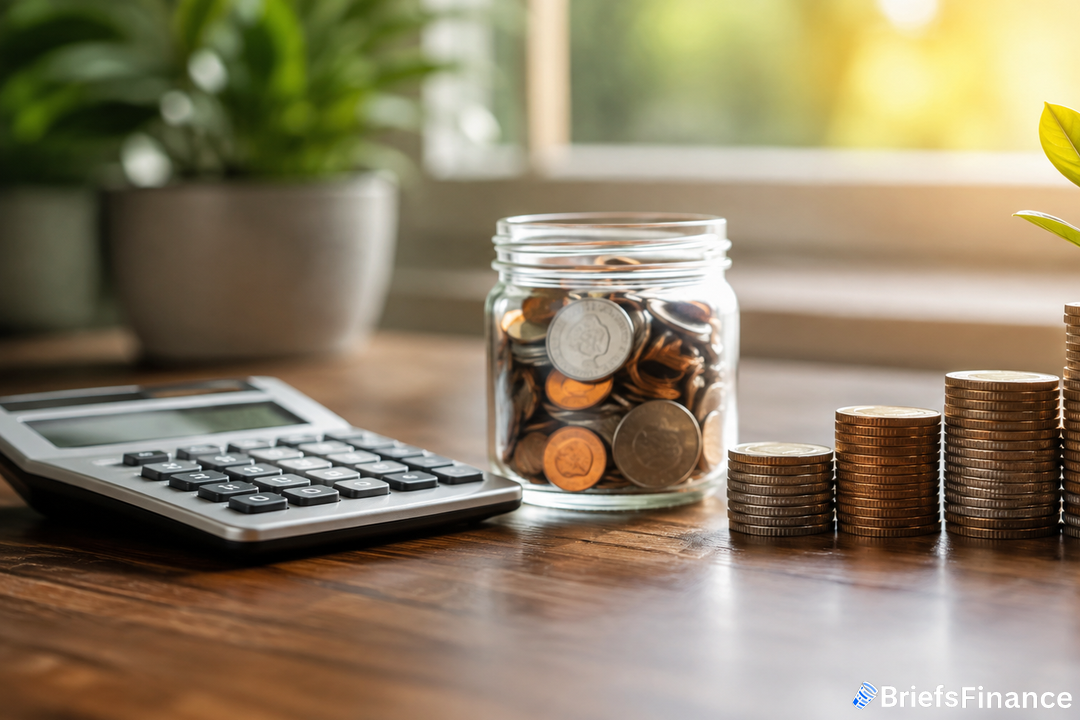
An emergency fund is money reserved exclusively for true financial emergencies.

This isn't vacation money. It's not for holiday shopping or a new TV. It's financial insurance against life's unexpected curveballs: job loss, medical bills, car repairs, home emergencies, or sudden family obligations.

The fund serves one purpose: keeping you afloat when income stops or major unexpected expenses hit. With an emergency fund, you avoid going into debt when crisis strikes.

Why You Actually Need One

Financial emergencies aren't rare. They're inevitable.

Studies show 40% of Americans can't cover a $400 emergency expense without borrowing or selling something. Without an emergency fund, a broken water heater or lost job becomes a financial catastrophe.

Emergency funds prevent the debt spiral. When you have cash reserves, car repairs don't go on credit cards. Medical bills don't require payday loans. Job loss doesn't mean missing mortgage payments.


How Much Do You Really Need?

The standard advice is 3-6 months of expenses, but your personal situation determines the right amount.

The 3-6 Month Rule Explained

Three to six months of expenses means your essential monthly costs multiplied by 3-6.

Essential expenses include:

  • Rent or mortgage
  • Utilities (electric, gas, water, internet)
  • Groceries
  • Transportation (car payment, gas, insurance)
  • Insurance premiums (health, home, auto)
  • Minimum debt payments
  • Basic phone service

Notice what's not included: dining out, entertainment, subscription services, gym memberships, or discretionary shopping.

Calculate Your Number

Here's how to determine your target emergency fund:

Step 1: List all essential monthly expenses Step 2: Add them up for your monthly baseline Step 3: Multiply by 3-6 depending on your situation

Example calculation:

  • Rent: $1,500
  • Utilities: $200
  • Groceries: $400
  • Car payment + insurance: $450
  • Health insurance: $300
  • Minimum credit card payment: $150
  • Phone: $80
  • Total monthly essentials: $3,080
  • 3-month fund: $9,240
  • 6-month fund: $18,480

When to Aim for 3 Months vs. 6 Months

3 months works if you:

  • Have stable dual-income household
  • Work in a high-demand industry
  • Have strong job security
  • Live in an area with abundant job opportunities
  • Have no dependents
  • Rent rather than own a home

6 months (or more) if you:

  • Single income household
  • Self-employed or freelance
  • Work in a volatile industry
  • Have dependents
  • Own a home (maintenance emergencies)
  • Have health concerns
  • Live in an area with limited job market

Special Circumstances Requiring More

Some situations call for 9-12 months of expenses:

Single-income families with multiple dependents face higher risk. If the breadwinner loses their job, there's no backup income.

Self-employed individuals experience irregular income. A six-month emergency fund provides stability during slow business periods.

Niche professionals may need longer job searches. Executives, specialized roles, and academics often take 9+ months to find equivalent positions.


Where to Keep Your Emergency Fund

Emergency funds must balance three factors: accessibility, safety, and returns.

High-Yield Savings Accounts (Best Option)

High-yield savings accounts offer the best combination of accessibility and returns for emergency funds.

Current rates range from 4-5% APY at online banks like Marcus by Goldman Sachs, Ally Bank, American Express Personal Savings, and Discover Bank.

Advantages:

  • FDIC insured up to $250,000
  • Easy to access (usually 1-2 day transfer)
  • Competitive interest rates
  • No market risk
  • No penalties for withdrawal

How it works: You transfer money from your checking account to the savings account. When emergency strikes, you transfer money back. The process takes 1-2 business days.

Money Market Accounts

Money market accounts function similarly to high-yield savings but may offer check-writing privileges.

Rates are comparable to high-yield savings (4-5% APY). They're FDIC insured and highly liquid.

The main difference: Some money market accounts allow limited check writing or debit card access, making them slightly more accessible than savings accounts.

What to Avoid for Emergency Funds

Regular savings accounts at traditional banks: These typically pay 0.01-0.5% interest. You're essentially losing money to inflation.

Checking accounts: Emergency funds should be separate from daily spending to avoid accidental use.

Stocks or stock funds: Market volatility makes these unsuitable. You might need cash during a market crash when your investments are down 30%.

Bonds or bond funds: While more stable than stocks, bonds still fluctuate in value and require selling to access cash.

CDs (Certificates of Deposit): Early withdrawal penalties defeat the purpose of emergency access, though CD laddering can work for partial emergency funds.

Crypto or speculative investments: Emergency funds require stability and guaranteed access. Speculation has no place here.


How to Build Your Emergency Fund

Building a full 3-6 month emergency fund feels overwhelming. Break it into manageable steps.

Start with $1,000

Your first milestone is $1,000. This covers most minor emergencies: car repairs, urgent home fixes, or small medical bills.

Reach this goal as quickly as possible. Cut discretionary spending. Sell unused items. Take on temporary side work. This initial buffer provides immediate peace of mind.

Then Build to One Month

Once you hit $1,000, target one month of essential expenses.

If your monthly essentials total $3,000, your next goal is $3,000 in your emergency fund. This milestone means you can survive one month without income.

Progress to Three Months

After reaching one month, work toward three months of expenses.

This is your baseline emergency fund. Three months covers most job searches, major home repairs, or extended medical situations.

Finally Reach Six Months (If Needed)

Based on your circumstances, continue building to six months.

This provides maximum security for unstable employment situations, single-income households, or homeowners facing potential major repairs.

Automate Your Contributions

Set up automatic monthly transfers from checking to your emergency fund savings account.

Even $100-200 monthly builds substantial reserves over time:

  • $150/month = $1,800 annually
  • $200/month = $2,400 annually
  • $300/month = $3,600 annually

Automation removes the decision from each paycheck. The money moves before you can spend it elsewhere.


When to Use Your Emergency Fund

Not every unexpected expense qualifies as an emergency.

True Emergencies

Job loss or income reduction: This is the primary purpose of emergency funds. Use it to cover essentials while you find new employment.

Major medical expenses: Unexpected hospital bills, urgent procedures, or medication costs qualify.

Essential home repairs: Broken furnace in winter, roof leak, or plumbing failures are emergencies.

Critical car repairs: If your car is essential for work and needs urgent repair, use the fund.

Family emergencies: Traveling for family illness, supporting family members in crisis, or unexpected funeral expenses.

Not Actually Emergencies

Holidays and gifts: These are predictable. Save separately for them.

Vacation or travel: This is discretionary spending, not an emergency.

Sales or "deals": Even amazing deals don't justify tapping emergency funds.

Routine maintenance: Car oil changes, home maintenance, and regular expenses should come from your budget.

Wants disguised as needs: Wanting a new phone because yours is outdated isn't an emergency. A completely broken phone might be.


Replenishing After Using It

When you tap your emergency fund, make replenishing it a top priority.

Pause other financial goals temporarily. Stop extra retirement contributions beyond employer match. Postpone aggressive debt payoff. Put investing on hold.

Direct all extra money toward rebuilding the emergency fund to its original level. Once fully replenished, resume your other financial goals.

Think of it like oxygen masks on a plane: secure your own financial oxygen (emergency fund) before helping others or pursuing other goals.


Common Emergency Fund Mistakes

Keeping It Too Accessible

Don't keep your emergency fund in your regular checking account. You'll accidentally spend it.

Keep it in a separate savings account at a different bank. This creates enough friction to prevent casual access while maintaining true emergency availability.

Chasing Higher Returns

Some people invest emergency funds in stocks or bonds seeking better returns. This defeats the purpose.

Emergency funds prioritize safety and accessibility over returns. The 4-5% from a high-yield savings account is your "insurance premium" for having guaranteed cash when needed.

Never Actually Using It

Emergency funds aren't meant to sit untouched forever.

When legitimate emergencies arise, use the fund. That's why it exists. Don't go into debt or stress about a car repair when you have $15,000 sitting in emergency savings.

Just remember to replenish it afterward.

Building It Before High-Interest Debt

If you have credit card debt at 22% interest, prioritize that over building beyond your initial $1,000 emergency fund.

The $1,000 buffer prevents new debt from emergencies. Then attack high-interest debt aggressively. Once that's paid off, build your full 3-6 month fund.


Emergency Fund vs. Other Savings Goals

Your emergency fund is separate from other savings buckets.

Emergency fund: 3-6 months expenses, highly liquid, for job loss or true emergencies

Retirement accounts: Long-term growth, invested in stocks/bonds, shouldn't be touched for emergencies

Sinking funds: Predictable future expenses (car replacement, vacation, home maintenance) saved separately

Investment accounts: Discretionary money invested for growth, separate from emergency cash

Treat your emergency fund as financial insurance, not an investment or general savings account.


The Bottom Line

An emergency fund is the foundation of financial security. It's not exciting, but it's essential.

Start with $1,000, then build to one month of expenses, then three months, and finally six months if your situation requires it. Keep it in a high-yield savings account where it's safe, accessible, and earning competitive interest.

Calculate your essential monthly expenses, multiply by 3-6, and that's your target. Automate monthly contributions until you reach your goal.

When true emergencies strike, use it without guilt. That's its purpose. Then make replenishing it your top priority.

Your emergency fund won't make you rich. But it will keep unexpected events from making you poor. That peace of mind is worth more than the opportunity cost of potentially higher investment returns.



Tag »

More Deep Briefs

What a Tariff Dividend Means for Your Money

No Tax on Overtime: How Overtime Pay Is Taxed

Reading the Silver Price Forecast for 2026

What to Do When Reddit Stocks Go Viral

Why Is Bitcoin Dropping Right Now?

The Fidelity 500 Index Fund, Made Simple for Beginners

USA Penny Stocks: Risks and Rewards Explained

Finding Cheap Stocks to Buy Now Without Getting Burned

Best Dividend Stocks: A Beginner's Playbook

Roth 401k, Explained for New Investors

How a Roth IRA Calculator Shows Your Future Wealth

Portfolio Diversification: Why Putting All Your Eggs in One Basket Destroys Wealth

Non Taxable Income: What It Is and Why It Matters

Semiconductor Stocks: A Simple Guide for Investors

How Stocks Work: A Simple Guide for Beginners

Stop Loss vs Stop Limit: What's the Difference?

Energy Stocks: A Simple Guide for Investors

What Is a Stop Loss Order? A Simple Guide

Best S&P 500 Index Fund: How to Choose One

What Are Penny Stocks? Risks and Rewards Explained

Best Stocks for Beginners With Little Money

Tech Stocks: A Simple Guide for New Investors

What Is a Joint Stock Company? A Simple Guide

Capital Gains Tax in California: A Simple Guide

Top Covered Call ETFs: How to Compare Them

What Are Stock Options? A Plain-English Guide

EBITDA Margin: What It Is and How to Calculate It

What Is Taxable Income? A Simple Guide for Investors

What Is a Covered Call? How the Strategy Works

What Is Gross Margin? A Simple Guide for Investors

What Is a Dividend? A Plain-English Guide for Investors

Financial Literacy Books That Actually Build Wealth

What Is a Roth Conversion? A Simple Guide

Trailing Stop Loss: How to Protect Your Gains

5 Types of Wealth: Why Money Is Only One of Them

How to Invest in Private Equity: A Beginner's Guide

What Is a Call Option? A Simple Guide With Examples

EBITDA Formula: How to Calculate It Step by Step

What Is a Stock Option? A Plain-English Guide

Put Option: What It Is and How It Works

Operating Margin: What It Is and How to Calculate It

Enterprise Value: What It Is and How to Calculate It

Free Cash Flow: What It Is and Why It Matters

What Is Working Capital? A Simple Guide for Investors

Covered Call: How This Income Strategy Actually Works

Gross Margin: What It Is and How to Calculate It

Backdoor Roth IRA: A Simple Guide for High Earners

Mega Backdoor Roth: A Simple Guide for Big Savers

Dividend Calculator: How to Estimate Your Dividend Income

How to Create Multiple Income Streams: A Beginner's Playbook

The 60/40 Portfolio Explained: A Beginner's Guide

How to Invest in Silver: A Beginner's Guide

Asset Allocation by Age: The Right Portfolio Mix at Every Stage of Life

Stablecoin Explained: Why Some Cryptocurrencies Actually Aren't Volatile

Buy Now, Pay Later Risks: Why This "Easy" Payment Method Is Dangerous to Your Wealth

Dividend Payout Ratio: The Secret Metric That Shows If a Stock Is Safe or Risky

Ethereum for Beginners: What It Is and Why Smart Investors Are Paying Attention

Dollar Cost Averaging Strategy: How to Beat Emotion and Build Wealth Steadily

The BRRRR Strategy: How to Build Real Estate Wealth Without Big Money Down

What Is GDP? A Beginner's Guide to Understanding Economic Growth

What Is Blockchain? A Plain English Guide For Investors

How To Negotiate Bills: The Script That Saves You Hundreds A Year

75 15 10 Rule: The Budget That Builds Wealth On Autopilot

How To Rebalance Portfolio: The Strategy That Forces You To Buy Low And Sell High

How To Buy Treasury Bonds: A Beginner's Guide

Forward Vs Futures Contracts: What's The Real Difference?

Alternative Investments Explained: What They Are And Why They Matter

How To Buy Bitcoin For Beginners: 3 Simple Ways

How To Follow Smart Money: The 5 Market Shifts Framework

Insider Trading Meaning: What It Really Is (And Why Some Of It Is Legal)

Core-Satellite Portfolio: The Best of Both Worlds

Bond Ladder Strategy: The Income Plan With Built-In Flexibility

Silver vs Gold Investing: Which One Belongs in Your Portfolio?

What Is a Dividend Reinvestment Plan? The Wealth Snowball Explained

How Tariffs Affect the Stock Market

What Is a 13F Filing? The Smart Money Tracker

Debt-to-Equity Ratio: The Number That Tells You If a Company Is Drowning

Non-Financial Analysis of Stocks: The 4-Step Method

SEC EDGAR Tutorial: The Free Tool the Pros Use

How to Read a 10-Q (Without Losing Your Mind)

What Is a Put Option? A Simple Guide for Investors

What Is Free Cash Flow? How To Find It & Why It's Important

Non Taxable Income: What It Is and Why Investors Care

Nasdaq Index Fund: A Beginner's Guide to Investing in the Nasdaq 100

What Is Wealth? It's Not What Most People Think

Micron Stock: The AI Memory Play Most Investors Are Missing

What Is Working Capital? What Investors Need To Know

What Is a Meme Stock? A Simple Guide for New Investors

Enterprise Value Formula: What It Is and How to Calculate It

Return on Equity: What It Is and How to Use It

Personal Finance Books That Actually Teach You to Build Wealth

How to Reduce Taxable Income: 6 Strategies Investors Actually Use

What Is a High-Yield Savings Account - and Is It Worth It?

Best Stocks to Buy Now: A Smarter Way to Think About It

How to Avoid Capital Gains Tax: 7 Legal Strategies Every Investor Should Know

How to Read a Balance Sheet (And Why Every Investor Should Know How)

What Is a Stock Broker? A Simple Guide for New Investors

Most Volatile Stocks: What They Are and Why They Move

ETF vs Mutual Fund - What's the Difference and Which One Should You Pick?

Nuclear Energy Stocks: Why Smart Money Is Betting on AI's Power Problem

1 2 3

Get Market Briefs delivered to your inbox every morning for free!

No fluff. No noise. No politics. Just finance news you can read in 5 minutes.

Join Free

Blogs

September 3, 2026
5 Passive Income Ideas That Pay You Whether You Work or Not
  • School teaches one formula: work, earn, spend. Stop working and the money stops, so the wheel never ends.
  • Five assets pay you without your labor - dividends, rent, interest, royalties, and the things you already own.
  • $80,000 a year of cash flow takes about $1 million invested at 8%, or roughly 20 years of $1,000 a month.
Read More
September 2, 2026
The Best Way to Invest 10k: Three Options To Transform 10K into 10 Million
  • Passive investing in stocks or real estate targets around 10% a year, and time in the market matters more than the price you get in at.
  • Active investing means putting your time in alongside your money, which raises the target to roughly 20% a year and raises the risk of losing it all.
  • Investing in yourself has no ceiling, because a new skill can create a new income that no market return can match.
Read More
September 1, 2026
The Tax Write Offs the Rich Are Using in 2026 While the IRS Shrinks
  • The 2026 tax brackets landed lower than they were headed, and the standard deduction jumped from a planned $8,350 to $16,100 for single filers.
  • New write offs for overtime, tips, seniors and car loan interest are live now, and most of them are written to expire in 2028.
  • About a third of IRS auditors have been fired, and four assets do most of the work for people who want income without a matching tax bill.
Read More
August 31, 2026
America Is Running Out of Debt Buyers. Treasury Bills Are the Government's Fix
  • The government took in about $5 trillion in taxes in 2025 and spent about $7 trillion, and the national debt is now over $40 trillion.
  • Investors, banks, and foreign countries are all lending less to the U.S., so starting September 9 the government plans to sell more short-term treasury bills and use that cash to buy back its long-term debt.
  • Government interest rates set the floor for your mortgage, your car loan, and your credit card, and short-term Treasury ETFs like SGOV are one way investors are playing it.
Read More
August 23, 2026
How to Get the Most From Your Guideline 401k
  • Guideline is a company that provides low-cost 401k plans, popular with small businesses and their employees.
  • A "Guideline 401k" follows the same core rules as any 401k: tax-advantaged growth, contribution limits, and often an employer match.
  • The biggest results come from capturing the full match, choosing low-cost funds, and picking Roth or traditional to fit your situation.
Read More
August 23, 2026
Principal 401k: What to Know About Your Plan
  • Principal is one of many companies that manage workplace 401k plans, so a "Principal 401k" is simply a 401k where Principal is the provider.
  • The rules of a 401k are the same no matter who runs it: pre-tax or Roth contributions, tax-advantaged growth, and often an employer match.
  • The biggest wins come from grabbing the full match, picking low-cost funds, and knowing whether Roth or traditional fits you.
Read More
August 23, 2026
What a Tariff Dividend Means for Your Money
  • A "tariff dividend" is the idea of taking money the government collects from tariffs and paying some of it back to citizens.

  • To judge the idea, you first need to know what a tariff is: a tax on imported goods, usually paid by the companies bringing them in.
  • Tariffs ripple through prices, businesses, and your investments, so the smart move is understanding those ripples, not just the headline.
Read More
August 23, 2026
No Tax on Overtime: How Overtime Pay Is Taxed
  • "No tax on overtime" refers to a tax break that lets certain workers deduct some overtime pay, lowering the income they get taxed on.
  • A deduction does not mean overtime is truly tax-free. It means part of that pay is subtracted before your tax is figured.
  • The bigger money lesson: how you earn money changes how it is taxed, and investors often get the friendliest treatment of all.
Read More
August 23, 2026
Reading the Silver Price Forecast for 2026
  • Nobody can honestly promise a specific silver price for 2026. Any exact number is a guess, so treat forecasts as opinions, not facts.

  • Silver is unusual because it is both a precious metal and an industrial metal, so its price answers to two very different forces.

  • Instead of chasing a forecast, learn the drivers - inflation, interest rates, recession fear, and industrial demand - so you can judge any prediction yourself.
Read More
August 23, 2026
What to Do When Reddit Stocks Go Viral
  • "Reddit stocks" usually means stocks getting hyped in online communities, where crowds can send a price soaring or crashing fast.
  • These tips can be entertaining and sometimes useful, but they are opinions, not research, and often come loaded with hype.
  • The safe move is to treat every online tip as a starting point, then do your own homework before risking a dollar.
Read More
1 2 3 25
Share via
Copy link