You're at checkout. You see the option: "Pay in 4 interest-free payments."
Seems harmless. You'll have the money in two weeks anyway, right?
Except: 70 million Americans are using buy now, pay later (BNPL) services. Debt is skyrocketing. And people are surprised when they can't actually afford the payments they committed to.
This is the opposite of building wealth. This is the express lane to staying broke.
According to the Climb to Wealth framework, understanding how debt works - and how it kills wealth-building - is fundamental to becoming rich.
BNPL is designed to look harmless. It's anything but.
Building wealth starts with knowing what's actually going on with your money - and the broader economy. Market Briefs is a free daily newsletter that breaks down the biggest business and finance stories every morning. Quick read, no fluff. Join 300,000+ readers.
What Is Buy Now Pay Later (BNPL)?
BNPL is a payment method offered by companies like Klarna, Affirm, Sezzle, and others.
You buy something. Instead of paying upfront, you split the payment into smaller chunks (usually 4 payments over 8 weeks).
Often: interest-free.
The pitch: "Same stuff, easier payments. No credit check. No interest."
The reality: it's debt. And debt is wealth's enemy.
Why BNPL Feels Safe (But Actually Isn't): The Psychology of Buy Now Pay Later
Here's the psychological trap:
Paying $150 upfront feels big. Paying $37.50 four times feels small.
Your brain doesn't register it as debt. It feels like a utility - just another small monthly charge.
But that's exactly the problem. If you can't pay $150 upfront, you probably shouldn't be buying the thing.
The Math of BNPL Usage: How Multiple Services Create Debt Blindness
Let's say you're a normal person in 2024.
You use Klarna on Monday: 4 payments of $40 = $160 total You use Affirm on Thursday: 4 payments of $32 = $128 total You use Sezzle on Saturday: 4 payments of $25 = $100 total
Now you have nine payments spread across the month from three different BNPL services.
They're all interest-free, so your brain categorizes them as "not real debt."
But you've committed to $288 of purchases you didn't have the cash for.
What happens?
- Car repair: $800. BNPL = 4 payments of $200.
- Unexpected expense: BNPL it.
- Friend's birthday: Can't pay, BNPL it.
Suddenly you have $4,000 of BNPL obligations across different services, and you don't even know the exact amounts because they're spread across apps.
You miss a payment. Now there's a fee.
The Real Cost of BNPL: Psychological Debt Blindness
According to Climb to Wealth, the wealthy understand money. The poor stay poor because they don't.
BNPL exploits a specific blindness: if something doesn't have interest, people don't think it's debt.
But missed payments trigger fees. And those fees add up.
Klarna fee: $7-35 for late payments Affirm fee: $30-35 for late payments Sezzle fee: $10-20 for late payments
Miss three payments across different services? That's $75-100 in fees.
For a poor person, $75 in fees is a huge percentage of their income.
The Buy Now Pay Later Trap: Future Income Assumption
Here's why BNPL is so dangerous psychologically:
You're buying based on income you expect to make.
"I'll have $150 next week, so I can pay for this now."
Except:
- Your hours get cut
- You get laid off
- An emergency drains your account
- Your car breaks down and you need the money
Now you can't make the payment.
Wealthy people understand: only spend money you have now, not money you expect to have.
BNPL inverts this. It's designed to make you spend future money today.
BNPL and Credit Score Impact: The Hidden Damage
Here's the insidious part: most BNPL services don't report to credit bureaus when you make payments.
But they DO report late payments.
So BNPL helps you build bad credit (if you miss a payment) but doesn't help you build good credit (if you pay on time).
This creates a trap: you take on debt with no upside, all downside.
Missing one BNPL payment can hurt your credit score as much as missing a credit card payment - but you're not even building credit history while paying on time.
The Debt Cycle BNPL Creates: How Users Get Trapped
This is the progression most BNPL users experience:
Month 1: You make a smart purchase with BNPL. You pay on time. Feels great.
Month 2: You see another product. You BNPL it. No problem, you think.
Month 3: You realize you have five different BNPL payments happening. Still feels manageable.
Month 4: You miss one payment because you forgot the due date. Fee applied.
Month 5: You're anxious about your payments. You BNPL another purchase because you feel like you need the dopamine hit of buying something new.
Month 6: You're in a debt cycle. You have $3,000 of BNPL obligations. You can barely afford them. But you use BNPL again for an emergency.
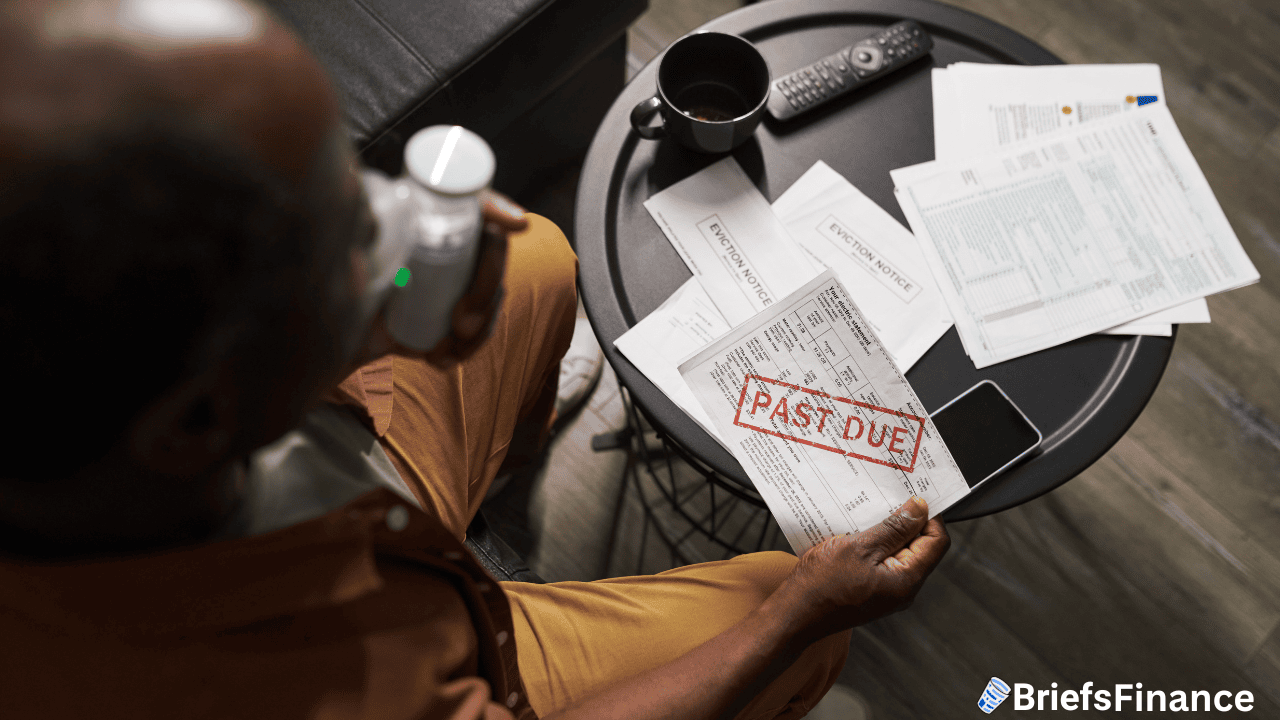
Month 7: You can't afford everything. You miss payments. Fees pile up. Credit score drops.
Month 8: You're stuck. You have debt across multiple services. Credit has dropped. You're paying late fees.
This isn't hypothetical. This is the actual journey for millions of Americans living paycheck to paycheck right now.
How BNPL Keeps You Poor: Buy Now Pay Later Cycles Prevent Wealth
In Climb to Wealth, Jaspreet Singh explains the cycle of poverty versus wealth:
Poverty cycle: You buy things → Can't pay → Pay fees → Can't save → Can't invest → No wealth
Wealth cycle: You earn money → You save it → You invest it → Returns compound → You get richer
BNPL is specifically designed to keep you in the poverty cycle.
Every dollar you spend on BNPL is a dollar you're not:
- Saving for emergencies
- Investing for growth
- Using to pay down actual debt
It's wealth creation in reverse.
The BNPL Business Model: Why Companies Push Buy Now Pay Later
BNPL companies aren't making money from you paying on time.
They make money from:
- Late fees (your failure)
- Data they sell (your shopping behavior)
- Merchants who pay them (small commission)
They're financially incentivized for you to:
- Overspend
- Miss payments
- Keep using it repeatedly
The entire business model depends on your financial stress.
The Statistics Nobody Talks About: BNPL Growth and Financial Impact
- 40% of BNPL users go on to miss a payment within the first year
- 31% of people using BNPL report it hurt their financial situation
- BNPL debt is growing 3x faster than credit card debt
- Average BNPL user has $650+ in BNPL obligations
This isn't accidental. This is a credit product designed to look safe while being dangerous.
The Alternative to Buy Now Pay Later: Actual Wealth-Building Discipline
If you want to build wealth (per Climb to Wealth), here's how you handle purchases:
- Want something? Don't buy it today.
- Wait 30 days. Do you still want it?
- Only then: Buy it if you have the cash.
This single rule - waiting 30 days and paying upfront - will build more wealth than you could possibly imagine.
Why?
- You avoid impulse purchases (saves thousands yearly)
- You avoid debt and fees
- You save money for actual investments
- Compounding does the rest
It's part of building a budget that actually works for long-term wealth, like the 75/15/10 rule.
Real Talk: If You're Already in BNPL Debt and Want Out
If you have active BNPL obligations:
1. List them all
○ Service name ○ Total owed ○ Payment due dates 2. Pay them off immediately if you can
○ Use savings, credit card rewards, anything ○ Get out of the system 3. Delete the apps
○ Remove temptation ○ Don't keep it around "just in case" 4. Commit to the 30-day rule
○ Waiting 30 days prevents most impulse buys 5. Focus on what's actually missing in your life
○ If you need BNPL constantly, you're spending beyond your means ○ Root cause: income is too low or spending is too high ○ Consider negotiating bills and other ways to reduce expenses
Key Takeaway: BNPL Is a Wealth Trap Disguised as Convenience
Buy now, pay later looks safe. It's anything but.
It's designed to:
- Make you spend money you don't have
- Trigger late fees when you miss payments
- Keep you in a debt cycle
- Prevent you from building wealth
The wealthy don't use BNPL. They pay for things when they can afford them - or save first using a high-yield savings account.
The poor get trapped in BNPL because it feels convenient.
If you want to build wealth, you have to stop using systems that are designed to extract wealth from you.
Want to be smarter with your money? Start with knowing what's actually happening in the economy. Market Briefs delivers the day's biggest financial stories every morning - free, fast, and actually fun to read.
Disclaimer: This content is for educational purposes only. If you're struggling with BNPL debt or any financial challenges, please consult with a financial advisor or contact a non-profit credit counselor.