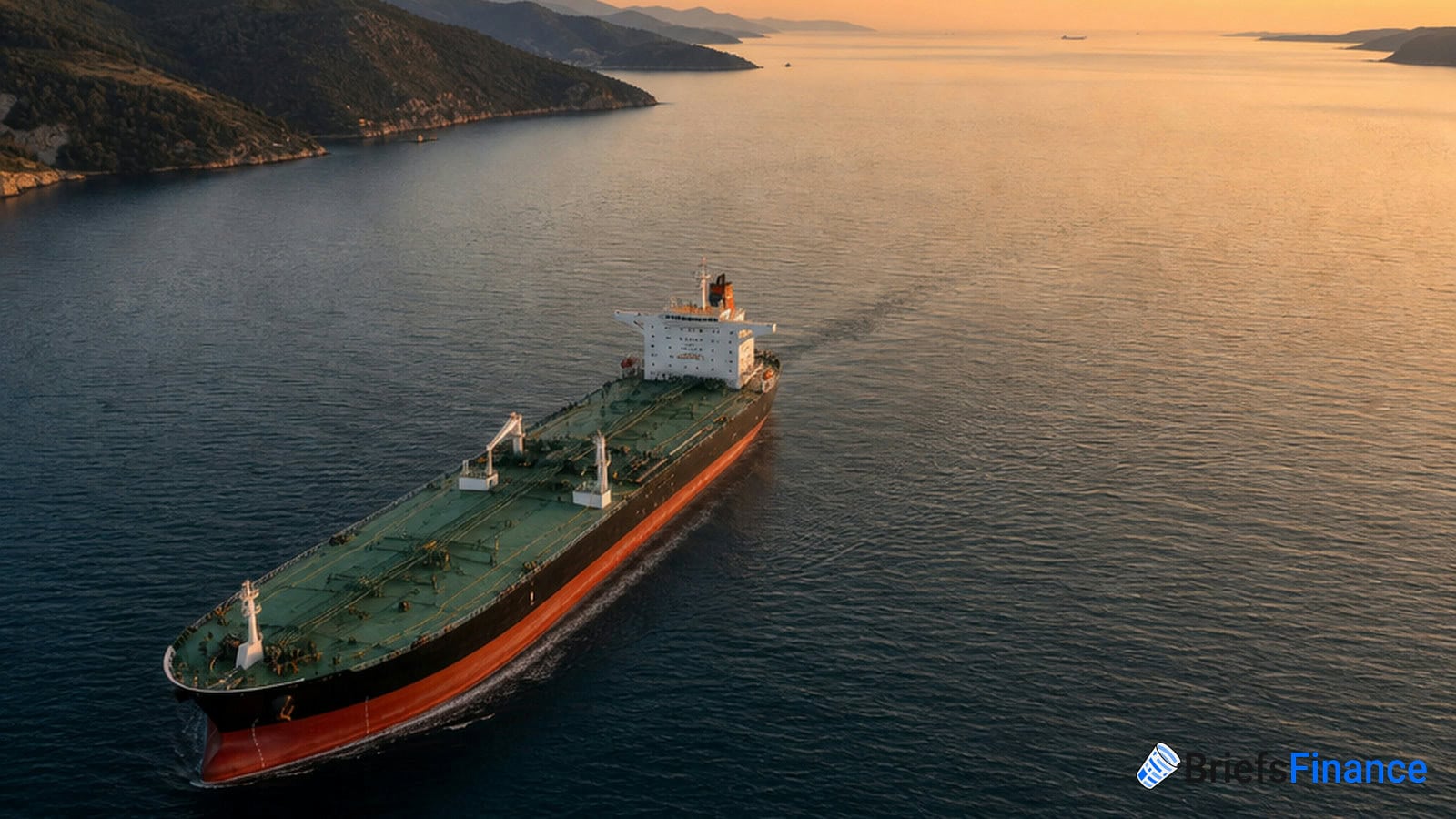
The most important shipping lane on the planet has been a mess for weeks. Now Trump says it reopens Friday.
A clean reopening would unwind weeks of risk premiums baked into oil, freight rates, and insurance costs.
A Choke Point For The Whole World
The Strait of Hormuz sits between Iran and Oman, a narrow stretch of water only 21 miles wide at its tightest point.
Roughly a fifth of the world's oil moves through it every day - about 20 million barrels headed to refineries in Asia, Europe, and the U.S.
That makes it the single most important oil chokepoint on the planet, and there's no real backup route for most of that supply.
Saudi Arabia, the UAE, Iran, Iraq, Kuwait, and Qatar all rely on it to ship crude to global buyers.
Iran has threatened to close the strait many times over the past two decades, usually in response to sanctions or rising tensions with the U.S.
The U.S. Navy's Fifth Fleet, based in nearby Bahrain, patrols the region to keep tankers moving.
When ships can't pass, oil gets stuck, prices climb, and tanker insurance jumps right alongside.
That ripple shows up at the gas pump, in airline fuel bills, and on grocery receipts.
Trump said the strait would be open again by Friday, but he didn't share much beyond that.
What Reopening Actually Means
If ships start moving again, oil is the first thing to watch.
Prices have been running high on fears of a long shutdown, and a clean reopening would push them the other way.
Crude futures have been pricing in weeks of disruption, with traders ready to unwind bets in either direction as soon as news breaks.
Want to know what a move like this actually does to your portfolio? Market Briefs breaks down the news that moves markets every morning in five minutes - plus a free investing masterclass when you join.
Shipping rates would follow next. Tanker companies have been charging more to take the risk, and that premium gets cut fast once the risk drops.
Insurance is the third piece, with underwriters tacking war-risk fees onto every voyage through the region.
A normal strait means normal rates - eventually.
Energy stocks have been riding the spike, while airlines, cruise lines, and shipping names have been squeezed by higher fuel costs.
A reopening flips that script fast.
What To Watch
The big question is whether Friday actually holds, since past flare-ups in the region have reopened and reclosed more than once.
Investors watching oil, airlines, and shipping stocks will get their answer fast.
Tanker traffic is tracked in near-real-time, and the market moves on it within minutes.
A few days of clean traffic through the strait is what most analysts would need to call the disruption over.
If the lane stays open through next week, the risk premium in oil unwinds. If it doesn't, everything tightens back up.
A 21-mile-wide stretch of water is calling the shots again.
Join 350,000+ investors reading Market Briefs for the daily read on stories like this - you also get a 45-minute investing course thrown in as a bonus.