Pro Login

7-Eleven Is Closing 645 Stores This Year While Betting Big on Food

Published Apr 14, 2026
Share:
Summary:
  • Parent company Seven & i Holdings confirmed that 645 7-Eleven locations across North America will close during the fiscal year ending February 2027.
  • The company plans to open more than 200 new stores in the same period, making this the fifth straight year that closures have outpaced openings.
  • The total North American store count is expected to fall from more than 13,000 in 2024 to 12,272 by March 2027. An upcoming IPO has been delayed at least 11 months.

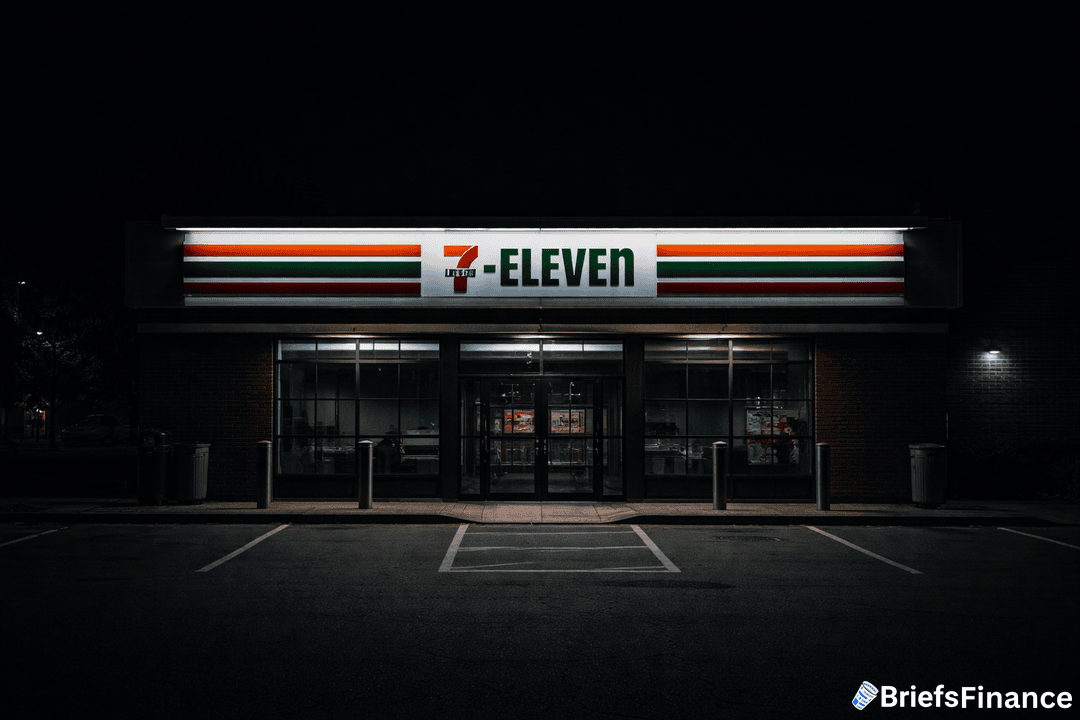
The chain that made the Slurpee famous is closing 645 stores. And it's not done yet. Seven & i Holdings - the Japanese parent firm of 7-Eleven - said 645 North American locations will shut down during the fiscal year that began in March 2026. That's on top of the 600-plus stores it already closed over the past two years. This is the fifth year in a row that 7-Eleven has closed more stores than it opened.

Why So Many Stores Are Going Dark

The old model is broken. For decades, 7-Eleven made money from three things: cigarettes, gas, and snacks. All three are fading.

Fewer people smoke. That means less tobacco revenue. Electric cars are cutting into fuel demand. And gas margins keep getting squeezed by wild swings in oil prices. The stores being shut down are mostly small, old, and not set up to sell what 7-Eleven wants to sell next. And what it wants to sell next is food. Real food. Hot meals, fresh drinks, and grab-and-go options. The problem: You can't put a kitchen in a store that was built for candy bars and Slurpees. The old layout doesn't work. So the company is closing those stores and opening new ones that can handle a full food menu.

The Numbers

In the spring of 2024, 7-Eleven had more than 13,000 stores across North America. By March 2027, that number will drop to 12,272. That's a net loss of about 730 stores in three years. Not every closed store becomes an empty lot. Some are being turned into "wholesale fuel stores." That model keeps the gas pumps running but drops the retail side. The company also plans to open more than 200 new stores this year. Those will be bigger, built around food, and made for the future of the brand. In plain terms: Think of it as a swap. Old, small stores go away. New, bigger stores take their place. The total count goes down, but each remaining store makes more money.

The IPO Factor

Seven & i Holdings has been planning to take 7-Eleven's U.S. arm public. But the IPO has been pushed back by at least 11 months due to shaky markets. CFO Yoshimichi Maruyama said the company is cutting costs and bringing some work in-house to get ready for the offering. Closing weak stores is a big part of that effort. It makes the books look better. When you drop the locations that lose money, the profit per store goes up. That's the kind of number that matters to IPO investors. Why this matters: The timing of the IPO will shape how fast the closures happen. If markets calm down and the IPO moves forward, the pace could slow. If it gets pushed again, expect even more stores to shut.

What to Watch

The 7-Eleven of 2027 will look nothing like the one most people grew up with. Fewer stores. Bigger footprints. More food. Less gas. The question is whether the bet on food pays off fast enough to make up for the stores being lost.

What This Means for Your Town

If there's a 7-Eleven near you, it may or may not stay. The company hasn't said which stores are on the list. But if your local shop is small, old, and mostly sells gas and snacks, the odds aren't great. For the towns that lose stores, it could mean one less place to grab a quick meal or fill up the tank. For the towns that get new ones, the new 7-Eleven will feel more like a fast-food spot than a gas station.

Disclosure

Get Market Briefs delivered to your inbox every morning for free!

No fluff. No noise. No politics. Just finance news you can read in 5 minutes.

Blogs

April 13, 2026
What Is Free Cash Flow? How To Find It & Why It's Important
  • Free cash flow is the cash a company has left after paying its bills and putting money back into the business.
  • Investors use free cash flow to figure out what a company is really worth - and if the stock is a good deal.
  • You can find free cash flow on a company's cash flow report, one of three key reports every public company files.
Read More
April 13, 2026
Non Taxable Income: What It Is and Why Investors Care

Non taxable income is money you earn that the IRS does not tax - like Roth IRA cash, muni bond interest, and certain investment gains. The U.S. tax code taxes workers, investors, and business owners at very different rates. Tools like Roth accounts, muni bonds, and real estate write-offs can help you keep more of what you earn.

Read More
April 11, 2026
Nasdaq Index Fund: A Beginner's Guide to Investing in the Nasdaq 100
  • A Nasdaq index fund lets you invest in the 100 biggest non-bank companies on the stock market all at once.
  • You can access the Nasdaq through index funds, mutual funds, or ETFs like QQQ - each with its own fees, trading rules, and style.
  • Picking the right Nasdaq index fund comes down to three things: who runs it, what is in it, and what it costs.
Read More
April 11, 2026
What Is Wealth? It's Not What Most People Think
  • Wealth is about owning assets that grow and pay you - not just earning a high salary.
  • In a capitalist system, there are two ways to get paid: from your labor and from your capital.
  • Building wealth takes a shift in mindset, a money system, and the habit of investing before you spend.
Read More
April 10, 2026
Micron Stock: The AI Memory Play Most Investors Are Missing
  • Micron (MU) is the only U.S. company that makes HBM chips - the short-term memory layer that AI systems need to run.
  • By early 2026, data centers were using about 70% of all memory chips made in the world, creating an 18-month backlog for new orders.
  • Micron's DRAM - or short-term memory chip - revenue jumped 69% year over year, and the company shifted away from consumer products to focus almost entirely on AI.
Read More
April 10, 2026
What Is Working Capital? What Investors Need To Know
  • Working capital is current assets minus current liabilities - it shows if a business can pay its short-term bills.
  • You find it on a company's balance sheet inside its 10-K report.
  • Changes in working capital show up on the cash flow statement and affect how much cash a business really makes.
Read More
April 9, 2026
What Is a Meme Stock? A Simple Guide for New Investors

You've probably heard the term "meme stock" thrown around on […]

Read More
April 9, 2026
Enterprise Value Formula: What It Is and How to Calculate It
  • Enterprise value (EV) shows what a company is really worth - debt and cash included - not just its stock price
  • The enterprise value formula is: Market Cap + Total Debt - Cash and Cash Equivalents
  • Investors use EV with metrics like EBITDA to compare stocks more fairly than market cap alone
Read More
April 8, 2026
Return on Equity: What It Is and How to Use It
  • Return on equity (ROE) measures how much profit a company earns for every dollar of shareholder equity
  • The formula is simple: net income divided by shareholder equity
  • A higher ROE can signal a company that is good at turning investor money into profit - but it is not the full picture
Read More
April 4, 2026
Personal Finance Books That Actually Teach You to Build Wealth

Most investors grow up hearing the same financial advice. Study […]

Read More
1 2 3 17
Share via
Copy link











