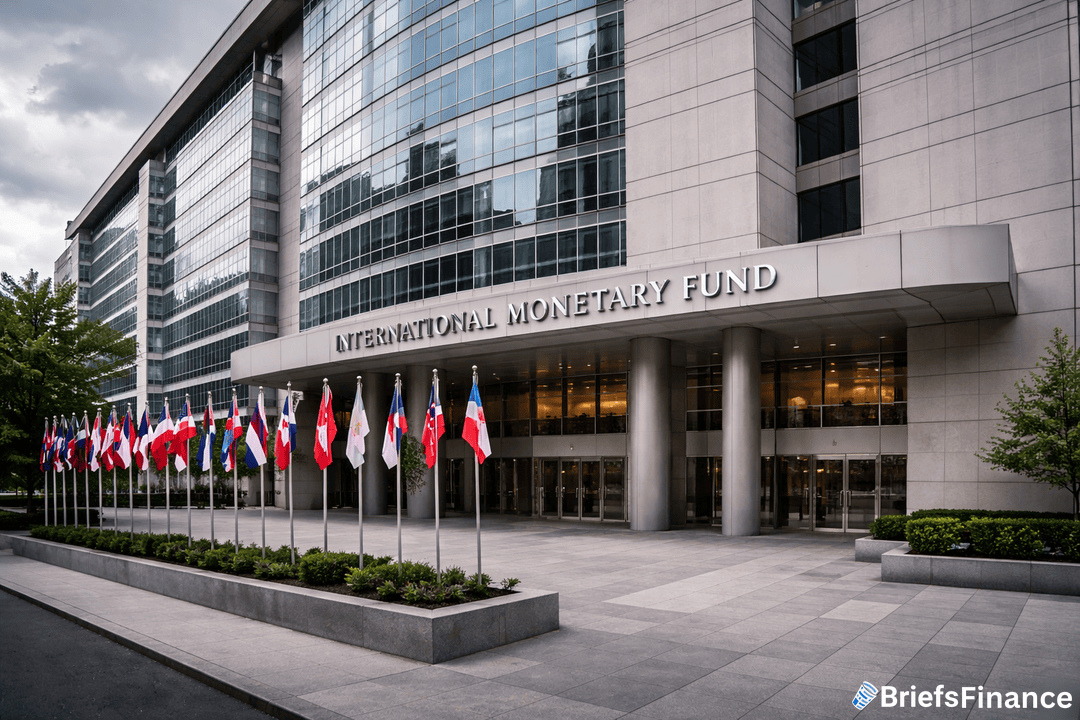
The IMF put out its biggest report of the year on Tuesday. The message was blunt. The world economy is losing speed. And the Iran war is making it worse. The fund cut its 2026 global growth call to 3.1%. Back in January, it had said 3.3%. That's a drop of 0.2 points. It may sound small. But for the world economy, that gap means hundreds of billions of dollars in lost output across every country.
What 3.1% Growth Means
When the global economy grows at 3.1%, it's not a crisis. But it's not strong either. It means jobs are harder to find. Wages grow slower. Profits get squeezed. And the margin for error shrinks one more shock could tip things into a real downturn. For context, the world grew at 3.4% in 2024. A drop to 3.1% is a clear step down.
Who Gets Hit Hardest
Poor countries that have to buy their energy from abroad are taking the worst blow. The IMF cut their growth outlook by 0.5 points over two years. Higher oil, food, and shipping costs are eating into what little budget room they have. The U.S. is doing better. The IMF sees U.S. growth at 2.3% this year. That's not great by recent norms. But it's well above a recession. The trade picture is rough. World trade growth is set to drop from 5.1% last year to just 2.8% in 2026. That's nearly cut in half. The cause is a mix of the energy shock, higher shipping costs, and the trade fight between the U.S. and China. In plain terms: Countries are buying less from each other. When trade slows, so does growth. Firms that sell goods across borders will feel this first.
The Recession Risk Is Real
The IMF said the risks are "tilted to the downside." That's their way of saying things are more likely to get worse than better from here. If the Iran war drags on and the Strait of Hormuz stays shut, energy costs could stay high enough to push several big economies into a recession. Citadel CEO Ken Griffin said the same thing at the IMF's own event on Tuesday. He called a global downturn "hard to avoid" if the Strait stays closed for six to twelve months.
What This Means for Your Portfolio
When the world slows, it shows up in earnings. Firms that sell a lot overseas - like tech, health care, and consumer brands - tend to see sales dip. The dollar often gets stronger too, which makes U.S. exports cost more abroad. On the flip side, slower growth can push bond yields down and make rate cuts more likely. That could help rate-sensitive stocks like REITs and utilities.
What to Watch
The IMF report dropped the same day as the March PPI data and during the first wave of bank earnings. Investors are sorting through a lot right now. The big question is whether the U.S. can keep growing at 2%-plus while the rest of the world slows around it.
How to Read This as an Investor
When the IMF cuts growth, it matters for stocks tied to global demand. Think of tech firms that sell chips to Asia, or luxury brands that rely on Chinese shoppers, or oil firms that sell to Europe. If the world slows, their sales slow too. The U.S. might be holding up for now. But no economy is an island. A weaker world will catch up to American firms at some point.