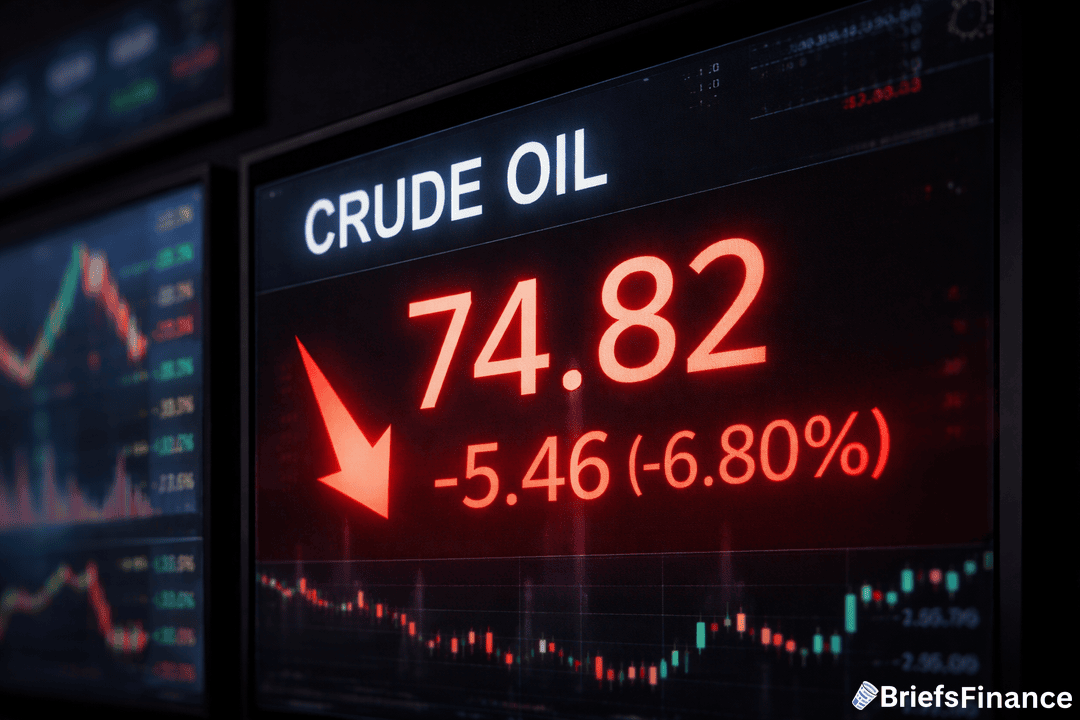
Oil just had one of its wildest days of the whole war. And it happened in less than 24 hours. On Monday, Brent crude shot up 8% to above $103. The cause was a big one - the U.S. said it was blocking all ship traffic near Iranian ports in the Strait of Hormuz. By Tuesday, the whole move flipped. U.S. crude dropped more than 6% to about $92 a barrel as hopes for peace talks grew. That kind of swing is hard to trade. And it's been the norm since February.
What Changed in One Day
The White House hinted that a second round of talks with Iran could come soon. Vice President JD Vance said the first round made "a lot of progress." Pakistan is now trying to set up a new meeting before the ceasefire runs out on April 21. That was enough for oil traders to pull back. Brent crude fell below $98. U.S. West Texas crude hit its lowest price in more than a week. The pattern: Since the war started, oil has moved on every headline. A tweet about talks can push crude down $5 in an hour. A report about a military move can send it back up just as fast. This isn't normal price action. It's a market trading on fear and hope, not supply and demand.
What This Means for Your Wallet
Even with Tuesday's drop, oil is still way above where it was before the war. Brent was just under $70 a barrel in late February. At $98, it's still up about 40%. That hits your daily life in ways you can feel. Gas costs more. Shipping costs more. Food costs more to move to stores. Flights cost more to book. Every part of the economy that runs on fuel is paying a higher tab right now. By the numbers: Gas prices are running about $1.20 more per gallon than before the war. For the average person filling up once a week, that adds up to close to $5,000 a year in extra costs. A drop back toward $90 or less would be the best news shoppers and firms have had in weeks. But it won't happen until a real deal gets signed.
Why Energy Stocks Are So Hard to Trade Right Now
If you own energy stocks, the last few weeks have been a ride. Oil firms do well when crude is high. But the swings make it hard to hold on.
One day, your shares are up 3% on a blockade headline. The next day, they drop 4% on peace talk news. The price of oil is being set by what two countries say to each other, not by how much oil the world needs. The key risk: If a deal gets done and oil falls fast, energy stocks could give back a lot of their war-time gains. If talks fail and the war drags on, oil could spike past $110.
What to Watch
Watch for two things this week. First, whether Pakistan sets a date for a second round of talks. Second, whether oil holds above or breaks below $90. A break below $90 would be a strong sign that the market thinks peace is coming. A spike back above $100 would mean the opposite.