Background of the Lawsuit
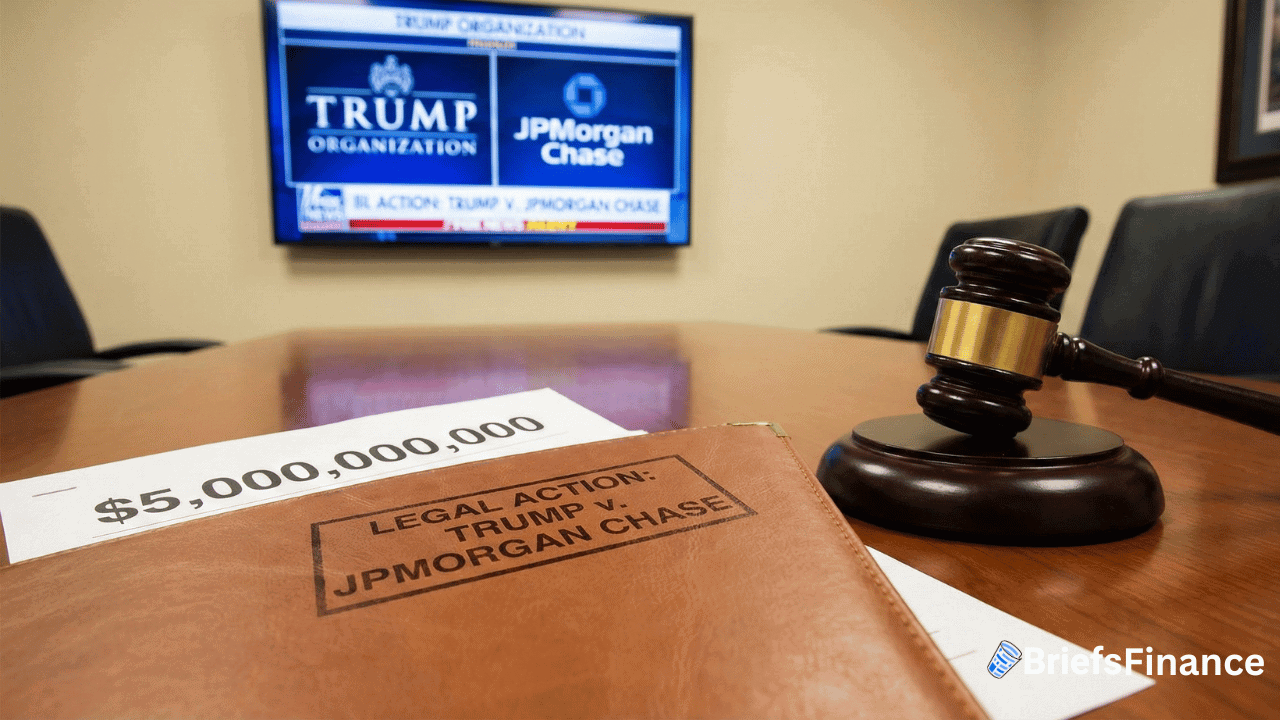
On Thursday, January 22, 2026, Donald Trump filed a lawsuit against JPMorgan Chase and its CEO, Jamie Dimon, in state court in Miami-Dade County, Florida. Trump seeks at least $5 billion in damages for allegedly closing his accounts for political reasons.
The lawsuit claims the closures occurred after the riot by Trump supporters at the U.S. Capitol on January 6, 2021, and just after Trump left the White House following his electoral loss to Joe Biden.
Claims Made in the Lawsuit
The lawsuit alleges that JPMorgan's decision to close Trump's accounts was influenced by political and social motivations.
It suggests that the bank aimed to distance itself from Trump and his conservative views. According to the complaint, the plaintiffs believe that JPMorgan's actions were driven by a belief that the political environment favored taking such steps.
The lawsuit also states that JPMorgan failed to provide a reason for terminating the accounts.
However, the plaintiffs claim to have learned that the closures were a result of political discrimination against Trump, his organization, and his family.
Details of the Blacklist Allegation
In the complaint, Trump and the other plaintiffs allege that JPMorgan, under Dimon's direction, has placed them on a blacklist that is accessible by federally regulated banks.
The lawsuit claims this list includes individuals and entities that have been deemed to have a history of misconduct or non-compliance with banking regulations. The plaintiffs argue that they have always complied with these regulations, and they consider the bank's actions unjustifiable.
JPMorgan's Response
In response to the lawsuit, a spokesperson for JPMorgan stated, "While we regret President Trump has sued us, we believe the suit has no merit."
The bank also emphasized that it does not close accounts for political or religious reasons. Instead, they stated that account closures are often necessary due to legal or regulatory risks that the bank must manage.
JPMorgan's spokesperson, Patricia Wexler, explained, "We regret having to do so but often rules and regulatory expectations lead us to do so."
She added that the bank has been advocating for changes to the rules and regulations that compel them to take such actions.
Legal Implications and Future Steps
The lawsuit includes allegations of trade libel and breach of the implied covenant of good faith and fair dealing against JPMorgan.
It also cites violations of Florida's Unfair and Deceptive Trade Practices Act by Dimon. In addition to Trump, the plaintiffs include Trump Payroll Corp. and various limited liability corporations associated with him.
As the case unfolds, it may set a precedent regarding the responsibilities and actions of financial institutions concerning their clients' political affiliations and the implications of closing accounts based on perceived political beliefs.
The outcome could influence how banks manage their relationships with clients who have controversial political ties.