Washington Promised Lower Rates and the Fed Floated a Rate Hike Instead
For 18 months, President Trump has promised that lower interest rates were around the corner. He has said America should have the lowest interest rate in the world.
The Federal Reserve just said something else entirely. It signaled that you might want to prepare for higher interest rates in 2026.
The new chairman was blunt about why. He said prices are too high, that the Fed has missed on inflation for five years, and that they are going to fix it.
There is one main tool for that job. The Fed fights inflation by raising interest rates, which is exactly what it did in 2022 when inflation hit 9%.
This reaches further than your monthly payment. Higher rates make mortgages, car loans and credit cards more expensive, they make the country more expensive to run, and they change the value of the dollar.
America carries about $40 trillion in national debt, and it pays interest on all of it. When rates rise, that bill rises with it.
Markets move every day, and most of it never reaches you in time. Get the free Market Briefs daily newsletter and stay ahead of it.
Everybody Had Already Bet on Interest Rate Cuts
Cheap money has a fan club. Realtors have been begging for lower mortgage rates, bankers want cheaper loans and bigger commissions, and borrowers want to refinance debt they took on at higher rates.
Earlier in 2026, that looked like a safe bet. Wall Street was positioned for cuts and almost nobody was arguing.
Then it changed, and it changed fast.
The Federal Reserve Is Not a Bank, Not a Reserve, and Not Federal
Start with what the institution actually is, because the name misleads on all three counts. You cannot walk in and deposit money, so it is not a bank in the way you use the word.
It is not sitting on a pile of cash reserves either. And it is not federal, because it is a separate entity from the government, which the Fed says on its own website.
That separation is the whole point. The government is not supposed to tell the central bank what to do with interest rates.
Kevin Warsh Took the Job and Put a Rate Hike Back on the Table
There is one lever the government does control. Jerome Powell's term as chairman expired earlier in 2026, which handed the president the pick for who runs the Fed next.
Trump handpicked Kevin Warsh. Given the promises, everyone assumed cheaper money was coming with him.
Warsh arrived and said not so fast. He would not commit to cutting, and he raised the possibility of hiking instead.
Stagflation Means the Fed Cannot Cut and Hike at the Same Time
The Fed operates under what is called a dual mandate, meaning it has to watch two things when it sets rates. One is inflation. The other is the job market.
Those two usually point the same direction. When inflation runs hot, the Fed raises rates to cool the economy, and when unemployment climbs, it cuts rates to get people spending again.
Right now they point opposite ways. Inflation is high and the job market is soft, which is the condition economists call stagflation.
You fix high inflation by raising rates. You fix a weak job market by cutting them. You cannot do both at once.
Warsh is treating it like a teeter totter, and inflation is currently the heavier side. That is why he is saying the Fed may not have room to cut at all.
Tariffs and Oil Are Why a Rate Hike Is Even on the Table
So why did inflation get worse in 2026 specifically? Two forces.
The first is tariffs, which the administration has been applying to a long list of countries. The second is oil, still elevated because of the war in the Middle East.
Both push the price of ordinary things up. That shows up as inflation, and the Fed's stated target is 2%.
The 2% Inflation Target Is a Hidden Tax
Worth pausing on that number. Why 2% and not 1%, or zero?
Inflation is not neutral. It means your savings lose value and your paycheck buys less, because wages generally do not keep pace with it.
Two percent is low enough that most people never feel it happening. Meanwhile investments rise in value, which quietly moves wealth toward whoever owns assets.
Call it what it is. It is a tax, just a hidden one, and the people who pay it are the ones who do not know how it works.
The money story behind the headlines is usually the part that matters. Join Market Briefs free and get it every morning.
A Weak Job Market Is Why a Rate Hike Hurts
The other half of the mandate is not cooperating. Headline numbers look strong, but dig into them and more Americans are struggling financially.
Part of that is inflation eating paychecks. Part of it is structural, because some companies no longer need entry level workers when they can automate the role or hand it to robots.
Which is exactly what makes the White House push for cuts. Lower rates act like rocket fuel: people start buying houses and cars again, businesses hire, and the economy speeds up.
Higher rates do the reverse. They put downward pressure on everything, without guaranteeing a downturn.
Higher Interest Rates Turn $40 Trillion of Debt Into a Problem
Here is the piece most rate coverage skips. The government collected roughly $5 trillion in taxes last year, and taxpayers are its only real source of revenue.
A balanced budget would have meant spending about $4 trillion of that. Actual spending came in around $7 trillion, a $2 trillion gap that has to be financed with borrowing.
Stack up decades of those gaps and you get $40 trillion. And the fastest growing expense in the federal budget is not the military, or veterans benefits, or Social Security.
It is interest on the debt.
In 2020 and 2021, with rates at the lowest levels in history, the government refinanced just like everyone else. But it made an unusual choice about the term.
| The 2021 refinancing choice | Rate | Term |
|---|---|---|
| The long loan it skipped | 2.1% to 2.2% | 30 years |
| The short loan it took | 1.8% | 5 years |
It chased the lower number. Five years later, that decision is coming due, and about a third of the national debt resets in 2026 at today's rates.
So the interest bill climbs even if borrowing stops. More of your tax dollars go to paying for the past instead of buying anything now.
That is the real reason Washington wants cuts. Cheaper debt frees up money to spend into the economy, and spending is what keeps the whole machine running.
The 1970s Show What Stagflation Does When Rate Cuts Come Too Early
The Fed has run this experiment before, and it went badly. Three things landed on top of each other.
First, Nixon took the dollar off the gold standard in 1971 so the government could print money and pay its debts. It felt like prosperity at first.
Then came the consequence. The 1970s and early 1980s brought double digit inflation.
Then came the oil crisis, triggered by the Yom Kippur War in the Middle East, which sent prices vertical.
Inflation eventually cooled, growth slowed, and the government cut rates to help. It cut too early, inflation came roaring back, and the Fed had to jack rates to roughly 20% to kill it.
At those levels a mortgage was not 5% or 6%. People paid 15%, 17%, even 18% a year. The result was a deep recession and high unemployment.
| The 1970s sequence | Today's version |
|---|---|
| Dollar leaves the gold standard, money printing follows | Pandemic money printing funds stimulus, loans, bailouts and grants |
| Double digit inflation through the early 1980s | Inflation from 2021 through 2023 and still lingering |
| Yom Kippur War sends oil prices spiking | 2026 Middle East conflict pushes prices up again |
That is the pattern Warsh does not want to repeat. Cut while inflation is only pretending to be beaten, and the second round is far more painful than the first.
Interest Rates That Stay Too High Break Things Too
The opposite mistake is just as real. The Fed is not a great forecaster, and holding rates too high for too long can cause the recession it was trying to avoid.
We have already seen the mechanism. When the Fed started hiking a few years ago, Silicon Valley Bank collapsed under the strain of higher rates.
Household balance sheets are showing wear too. Credit card debt sits near the highest levels on record, and delinquencies are at their worst in decades.
That is the tightrope. Inflation on one side, a fragile economy on the other, and no move that avoids both.
Where Investors Look When Interest Rates Rise
None of this tells you what to buy. It does tell you which way different assets tend to lean, which is a more useful thing to understand than a forecast.
The Debasement Trade Cuts Both Ways
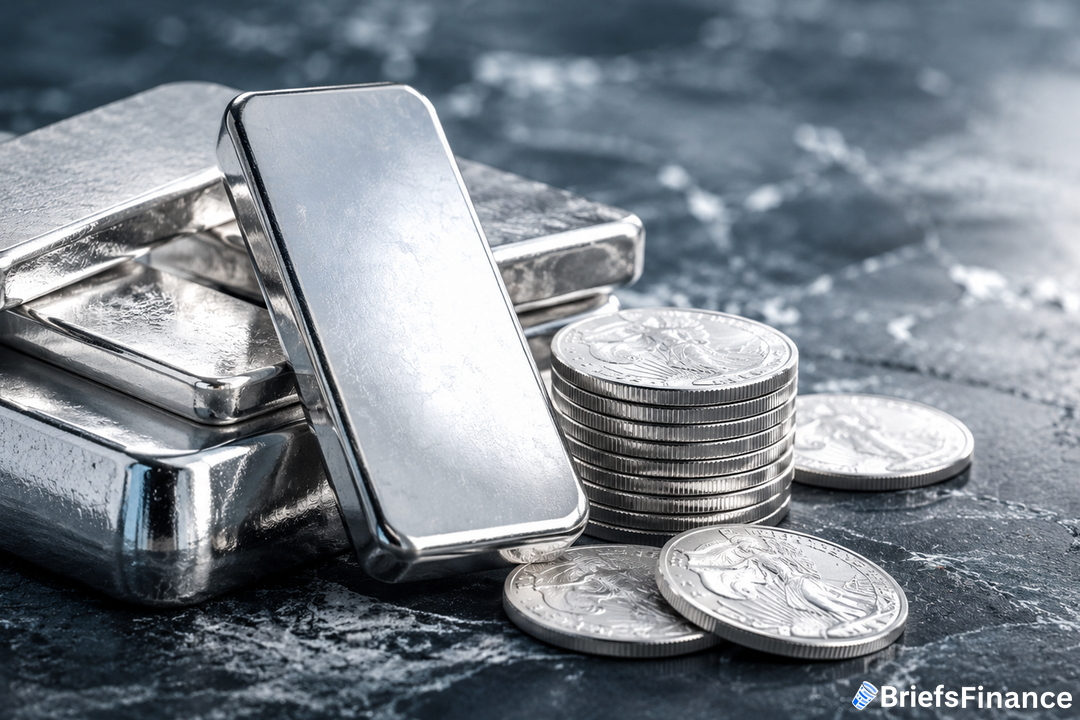
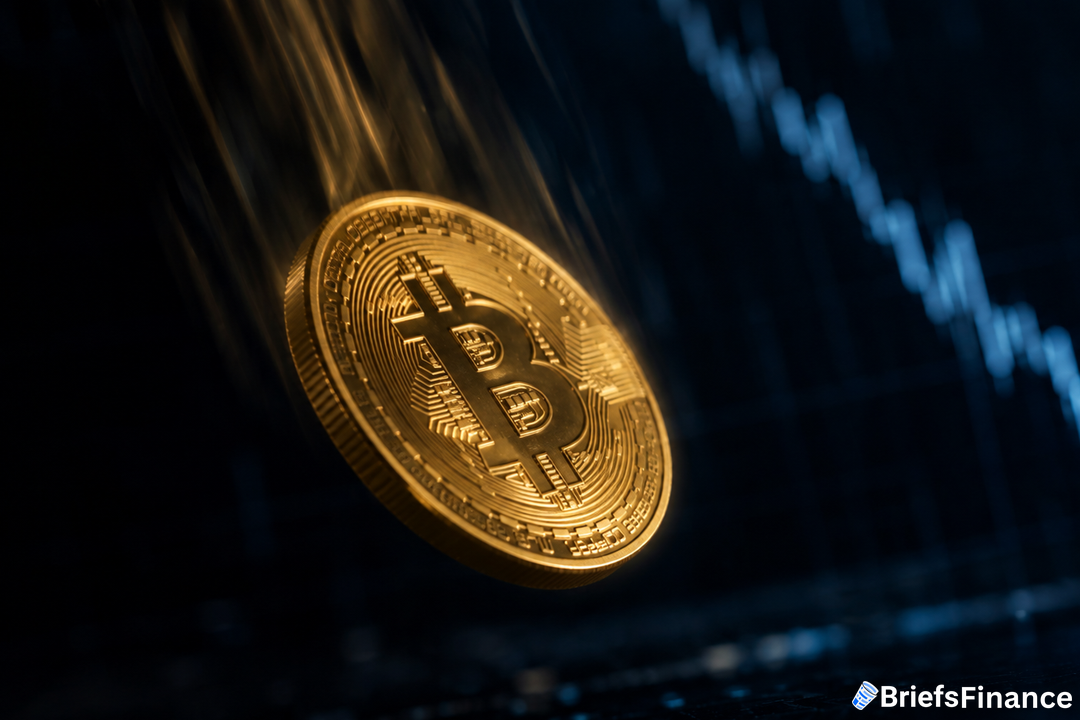
When Warsh said the Fed would defend the dollar, gold, silver and Bitcoin sold off hard. That is the debasement trade, meaning assets people buy when they expect the dollar to weaken.
The relationship runs in reverse. A stronger dollar hurts them, and an inflating dollar helps them.
Dividends Are the Boring Trade
Expensive money is hard on speculative companies, because their whole story depends on cheap capital funding fast growth. Value companies handle it better, since they already have profits and cash flow to reinvest.
That is why dividend companies get attention when rates climb. Just be clear on what benefit means here, because it often means falling less rather than going up.
There are plenty of dividend ETFs that do this, and Jaspreet has disclosed a personal position in SCHD. He is also explicit that he is not telling anyone what to invest in.
Or You Buy the Whole Economy
The third option skips stock picking entirely. Owning the S&P 500 means owning a slice of the 500 largest companies in the market, which is close to owning the American economy.
Recessions happen and crashes happen. Over long stretches, the economy has still trended up.
A fund like SPY is the simple way in, and he is again clear that this is not a recommendation. If a company in the index starts falling apart, the fund drops it and replaces it, and you do not lift a finger.
Nobody knows whether Warsh hikes, holds or cuts. Which is the point: the question you can actually answer is not what the Fed will do, but what you want to own when it does it.