You've probably heard the term "meme stock" thrown around on social media, in group chats, or on financial news.
But what does it actually mean? And why should investors care?
This article breaks down what a meme stock is, how they work, what happened during the most famous meme stock event in history, and why understanding the difference between price and value matters if you want to build real wealth in the stock market.
Want to stay up to date with everything that's going on in the financial world (meme stocks indlcuded).
Subscribe to our free daily newsletter Market Briefs.
What Is a Meme Stock?
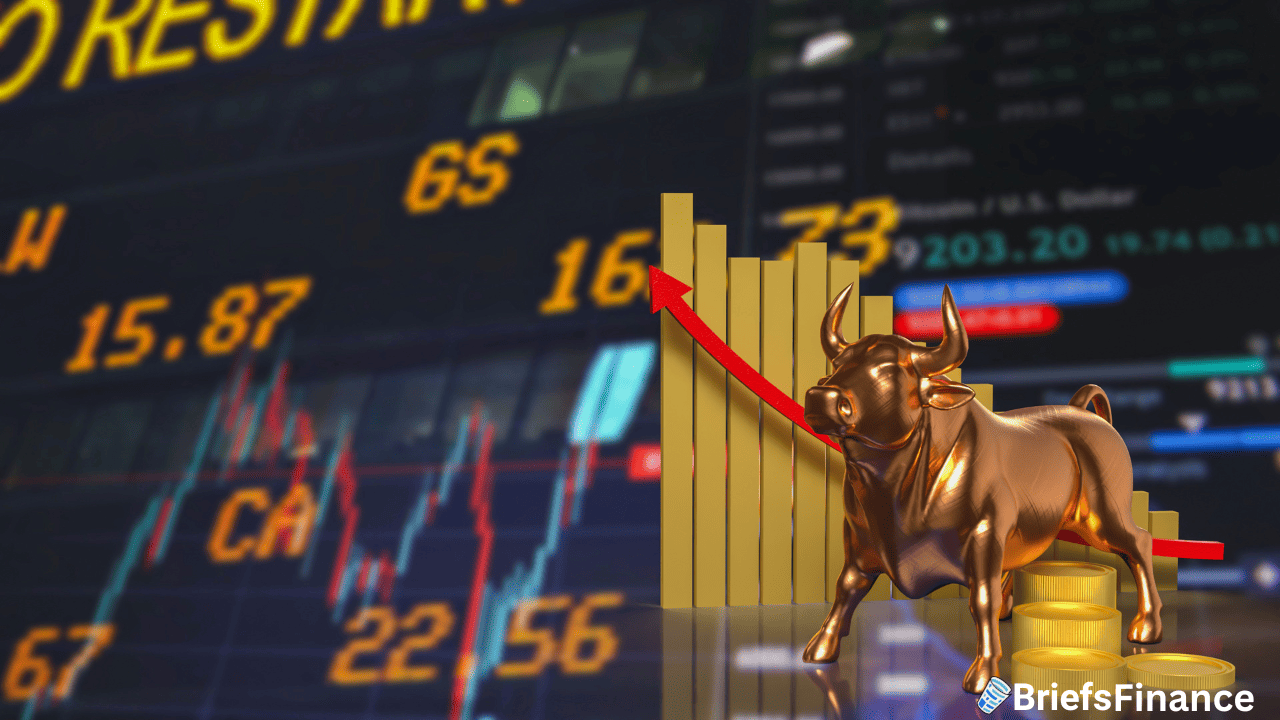
A meme stock is a stock that gets a massive spike in price - not because the company is doing well, but because it went viral online.
Think of it like this. A stock's price normally moves based on how much money the company makes, how fast it's growing, and what investors think the business is worth.
Meme stocks throw that out the window.
Instead, the price shoots up because a large group of people online - usually on platforms like Reddit - all decide to buy the stock at the same time.
They're not buying because the company has great earnings. They're not buying because revenue is growing.
They're buying because the stock is trending and they want to ride the wave.
That's the core of what makes a meme stock a meme stock. The price moves because of hype and crowd buying - not business results.
The GameStop Story: Meme Stocks in Action
The most famous meme stock example is GameStop in 2021.
GameStop is a retail public company that sells video games. At the time, the business was struggling.
Revenue was falling. Stores were closing. The stock was trading around $4 per share.
Then something happened. A group of retail investors on Reddit started buying GameStop stock together. The buying pressure was massive.
Within weeks, GameStop went from around $4 per share to over $80 per share.
Did GameStop suddenly become 20 times more valuable as a company? Did they find a new business model? Did they start printing money?
No. The business didn't change at all. What changed was what the market - a group of retail traders - was willing to pay for the stock.
That spike had nothing to do with value. It was pure price action driven by supply and demand and social media buzz.
Price vs. Value: Why This Matters
This is one of the biggest lessons for any investor to learn.
There's a difference between price and value.
Price is what you pay. That's the number you see on your brokerage app. That's what you hand over when you click "buy."
Value is what you get. It's what the business is actually worth based on its earnings, assets, and future growth.
You might pay $100 for a stock. But if that company makes $200 worth of value - you got a good deal.
On the flip side, you might pay $100 for a stock that only makes $50 worth of value. You overpaid.
Meme stocks break this balance. The price goes way higher than the value of the company. And when the hype fades, the price usually crashes back down.
That's why Warren Buffett doesn't chase trends. He doesn't buy stocks just because they're going up.
He buys businesses he knows well, with strong basics, that are selling for less than they're worth. That's value investing in action.
What Drives Meme Stocks?
A stock's price is driven by three main factors:
- Shares outstanding - how many pieces of the company are available to trade. Fewer shares means each share costs more. More shares means each one costs less.
- Supply and demand - when more people want to buy a stock than sell it, the price goes up. When more people want to sell than buy, it goes down. This is where meme stocks get their power. A huge wave of buyers all at once can push prices up fast.
- What the market is willing to pay - this is often driven by emotion, hype, and online buzz rather than real numbers. During the pandemic, Zoom's stock shot up because everyone believed remote work was the future. When that story faded, the stock crashed. The business didn't die. But what people were willing to pay for it changed.
Meme stocks take that third factor to the extreme.
Why Meme Stocks Are Risky
Here's where investors need to be careful.
When you buy a meme stock, you're usually not investing. You're trading. And there's a big difference.
Investing means owning an asset and letting it grow. You give the company time to build its business, grow revenue, and become more valuable.
That's how wealth is built in the stock market.
Trading means buying and selling on a short turnaround - trying to catch a price spike and sell before it drops.
But here's the data. 97% of day traders lose money in the long run. Active traders lag the broader market by 6.5%.
Meme stocks are the extreme version of this. The price can go up 500% in a week with no real reason behind it. And it can fall just as fast.
That's what makes meme stocks some of the most volatile stocks on the market.
Investors who bought GameStop near the top lost a huge chunk of their money when the hype cooled off. The stock didn't stay at $80. It fell back.
That's the trap. You see the price going up. Your friends are making money. You feel like you're missing out.
So you buy in near the peak - right when it starts to fall. This is the classic "buy high, sell low" cycle that hurts portfolios.
Knowing when to buy a stock - and when to sell - matters more than chasing what's trending online.
Meme Stocks vs. Real Investing
So what's the other path?
Instead of chasing hype, smart investors focus on companies with strong basics. Things like:
- Consistent revenue over time
- A brand people know and trust
- Strong edges over the competition - what Warren Buffett calls a "moat"
- Stable earnings
- Low debt levels
These aren't flashy. They don't go viral on Reddit. But they build wealth over time.
Companies like McDonald's, Coca-Cola, Procter and Gamble, and Apple have created massive returns for investors - not because of hype, but because they run strong businesses that grow year after year. Some even pay growing dividends just for owning the stock.
And here's the thing. If you're not willing to put in the work to research individual companies, there's a simpler path.
You can invest in index funds like the S&P 500 - a group of the 500 largest companies on the stock market. You can also look at ETFs vs. mutual funds to find the right fit for your style.
Based on past data, investing just $100 a month into the S&P 500 over a career could help you retire a millionaire. No stock picking. No meme chasing. Just time in the market.
The Bottom Line On Meme Stocks
A meme stock is a stock that spikes in price because of online hype - not because the company is doing well.
The GameStop craze of 2021 showed what happens when crowd buying pushes a stock way past its real value. And it showed what happens when the hype fades.
For investors building long-term wealth, the lesson is clear. Price and value are not the same thing. And chasing a viral stock is not the same as investing.
The real money in the stock market comes from buying strong companies at fair prices - and giving them time to grow.
Be a smarter investor - subscribe to our free daily newsletter Market Briefs today.