New home construction is forecast to grow just 1% this year. New home sales might gain 1%. Starts are projected flat.
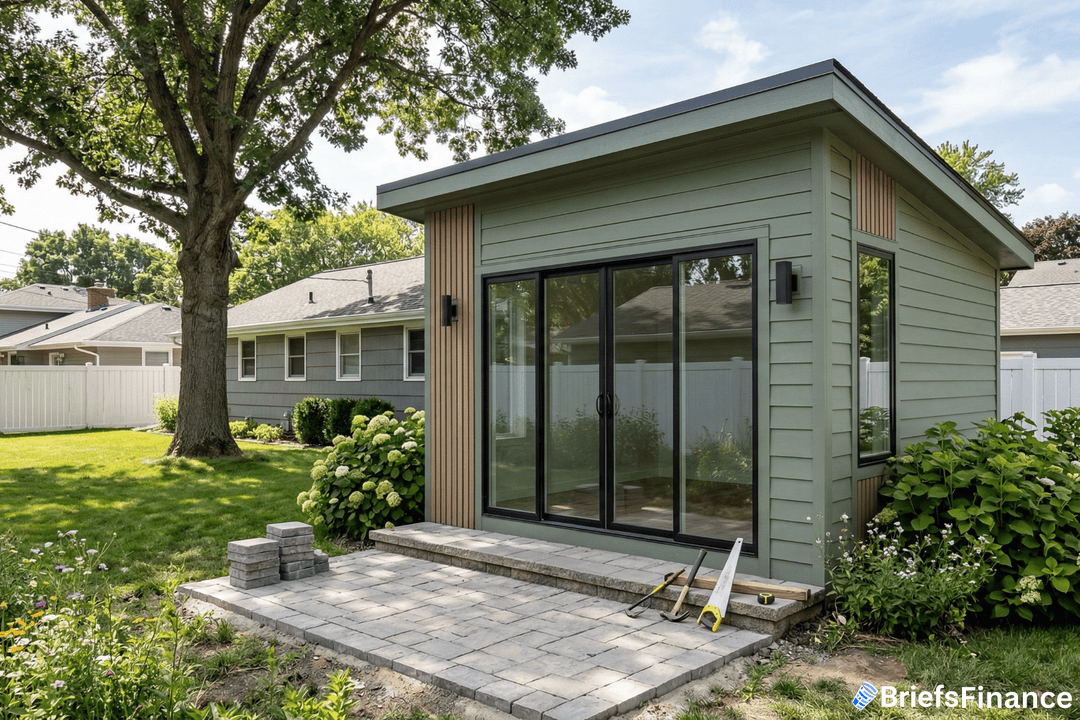
On the surface, the housing market looks frozen. But builders are quietly reshaping how Americans live - office buildings are becoming apartments, backyards are sprouting cottages, and factories are churning out prefab houses.
The Reshaping Has Already Started
Manhattan's office-to-residential conversions have added 10,000 housing units since 1992, with more in the pipeline. These are mostly affordable apartments in urban cores where young people actually want to live.
California's accessory dwelling units (ADUs - backyard cottages) now account for nearly half of all new single-family construction. That's a revolutionary shift in just five years.
Factory-built and prefab housing is growing faster than traditional stick-built construction. It's cheaper, faster, and appeals to builders stretched thin by labor shortages.
Why Mortgage Rates Set the Pace
Long-term rates are volatile because inflation keeps surprising everyone. When a 30-year mortgage costs 6.37% and price appreciation is uncertain, builders get cautious.
They're building smaller houses, mixed-income neighborhoods, and more conversions of dead office space. Remodeling is geared up for a multi-year upswing as existing homeowners improve instead of sell.
What to Watch
Whether the multifamily-to-single-family pipeline produces enough inventory to bring down prices. If remodeling holds momentum, you'll see less new construction and more renovation - which changes everything about supply, prices, and who can afford where.