The presidents are smiling, and the bigger story is the cabin behind them.
Trump landed in Beijing with Jensen Huang, Elon Musk, and Tim Cook on the plane - three of the most powerful tech CEOs in the US, riding into a country that became the first major economy to hit back against his tariffs a year ago.
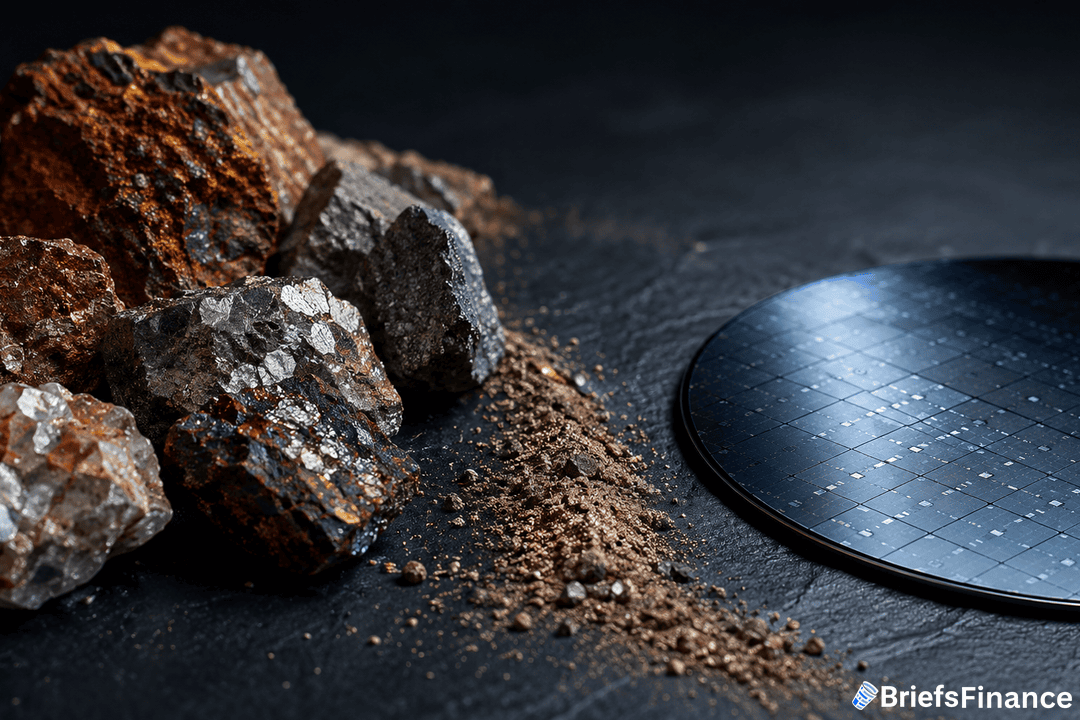
Two things will decide whether this summit produces real progress or just photo ops: who can sell what AI chips to whom, and who controls the dirt that AI is built on.
The Chip Lane
Just after Trump met Xi, Reuters reported that Washington had cleared sales of Nvidia's H200 chip to several major Chinese tech firms, citing three people familiar with the matter.
Asked about it live on CNBC, Treasury Secretary Scott Bessent said: "This is news to me."
That's the line that tells you how unsettled the issue still is.
Nvidia wants in, and Morningstar's Brian Colello told CNBC the company is "still pressing the U.S. government to allow [it] to sell into China."
A clean reopening isn't likely - Heidi Crebo-Rediker of the Council on Foreign Relations warned a full license deal could be "politically explosive" and risk backlash from China hawks in Congress.
Her best guess at the path forward: a closely managed channel for Nvidia sales, maybe with fees, limits, or safeguards.
We track the signals Wall Street is actually watching every morning in Market Briefs - five-minute reads, plus a free investing masterclass when you join.
The Mineral Lane
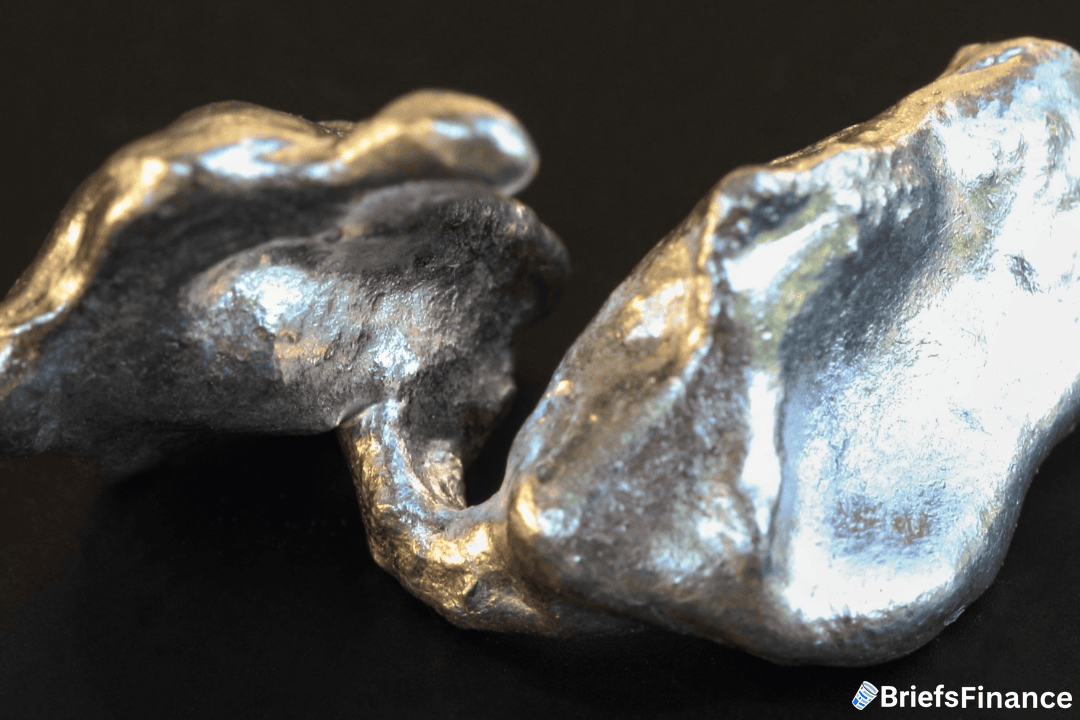
On the other side of the table sits China's grip on rare earths and the magnets they go into.
Beijing handled 59% of the world's rare earth mining and 91% of refining in 2024, per the International Energy Agency.
That's the leverage Beijing leaned on last year when it pulled back exports in response to Trump's "Liberation Day" tariffs.
Brookings' Kyle Chan put it plainly: China's export controls on these minerals "are a powerful source of leverage for Beijing." Trump could ask Xi for general licenses for US commercial users, but even if he gets them, the underlying control doesn't go away.
A possible swap, per Albright Stonebridge's Paul Triolo: the US loosens select chip export controls in exchange for movement on rare earths. The catch is the politics at home.
What The CEOs Actually Want
The exec roster on Trump's plane isn't decorative. CSIS's Lauryn Williams told CNBC the collective ask appears to be setting up a "Board of Trade and Board of Investment" to manage the relationship between the two countries.
Each one also has a private list - Tesla wants full self-driving approved in China, Apple and Meta want a calmer environment for their supply chain partners, and Nvidia wants the chip green light.
What To Watch
Crebo-Rediker called the best-case outcome an extension of the 2025 trade truce - tariffs lower, but no real reset. Even that truce never fully reversed China's export controls on heavy rare earths and magnets.
Talks continue Friday, and the optics will be smooth either way. The mechanics will tell the story.
For daily takes on the stories that move markets, join 350,000+ investors reading Market Briefs - delivered every morning, with a free 45-minute investing course when you sign up.