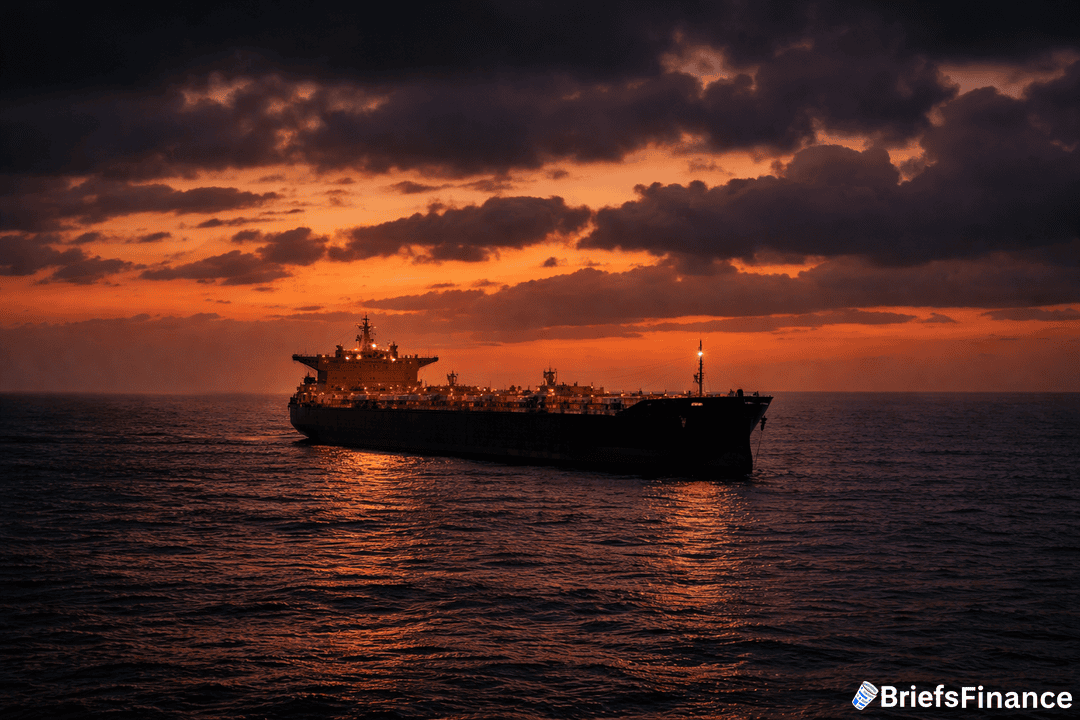
The Treasury just weaponized the banking system, and Secretary Bessent called secondary sanctions the "financial equivalent of a bombing campaign," describing a different way to achieve the goal of making conflict too expensive for Iran to continue. The letter went to banks in the Gulf and China, signaling a coordinated campaign designed to squeeze Iran from multiple angles at once.
The Parallel Pressure Campaign
The message is simple: if you touch Iranian money connected to this oil smuggling network, we freeze you out of the US system, and for most global banks, that's an existential threat as they lose New York correspondent accounts, dollar clearing, and market access. That's leverage that works because the dollar system runs global finance and nobody wants to get cut off from it.
Iran took tens of billions in damage from military strikes, and now the Treasury cuts off revenue, making conflict increasingly unaffordable as military pressure says "you can't fight" while financial pressure says "you can't rebuild." Mohammad Hossein Shamkhani's network got sanctioned along with dozens of individuals, companies, and vessels involved in the smuggling operation, showing this is a serious enforcement effort backed by Gulf neighbors like Saudi Arabia, the UAE, and Oman who are on board with the financial blockade.
The Skeptical View
Senator Warren argued the sanctions might not matter if oil prices keep rising since Iran gets a windfall from higher crude, while Senator Rounds is skeptical sanctions will do anything at all since Iran finds workarounds with China and other partners. If the global oil market supports prices above $100 per barrel, Iran finds cash no matter what the Treasury does, turning energy markets into Iran's best friend.
The sanctions work only if other countries enforce them, which requires coordination that can crack under economic pressure as banks face real cost-benefit calculations about risking dollar access when oil sells at $110 per barrel.
Worth Noting
The financial pressure campaign succeeds only if OPEC keeps production stable and the ceasefire holds long enough for negotiations to move forward without Iran escalating back into conflict.