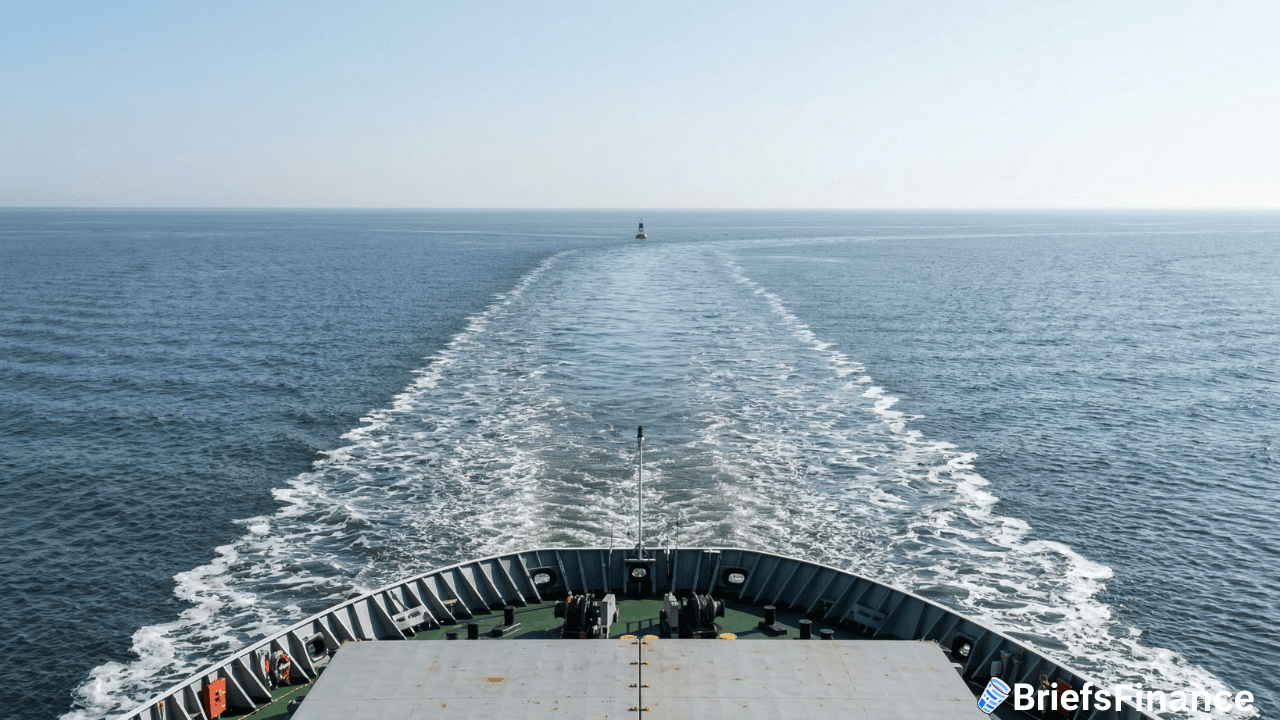
Oil tankers are taking the long way around Africa. The Strait of Hormuz, which carries roughly one-third of all globally traded oil, has become so expensive to insure that shipping companies are voluntarily adding weeks to their routes.
The question isn't whether the Middle East conflict hurts energy markets - it's how much longer insurers can absorb the impact.
How Premiums Became Unaffordable
War risk insurance on Hormuz routes went from negligible to catastrophic in weeks.
Lloyd's of London, the world's oldest insurance market, has pulled back from underwriting these routes, creating a domino effect across the industry.
When major insurers retreat, smaller carriers lose coverage entirely and reroute.
The Reroute Reshaping Global Energy
Ships steering around Africa add 2-3 weeks to journey times and burn more fuel doing it. That delay hits refineries worldwide that depend on steady oil flows from the Gulf.
Refineries can't plan production schedules when supply lines stretch unpredictably.
The U.S. Development Finance Corporation has waded into the crisis, offering guarantees to keep some shipping viable - but it's a band-aid on a bullet wound.
What to Watch
The real pressure point isn't oil prices jumping overnight - it's the slow strangulation of reliable supply lines.
If this insurance crisis stretches into months, refineries will start rationing supply or raising prices that hit investors far from the conflict zone.