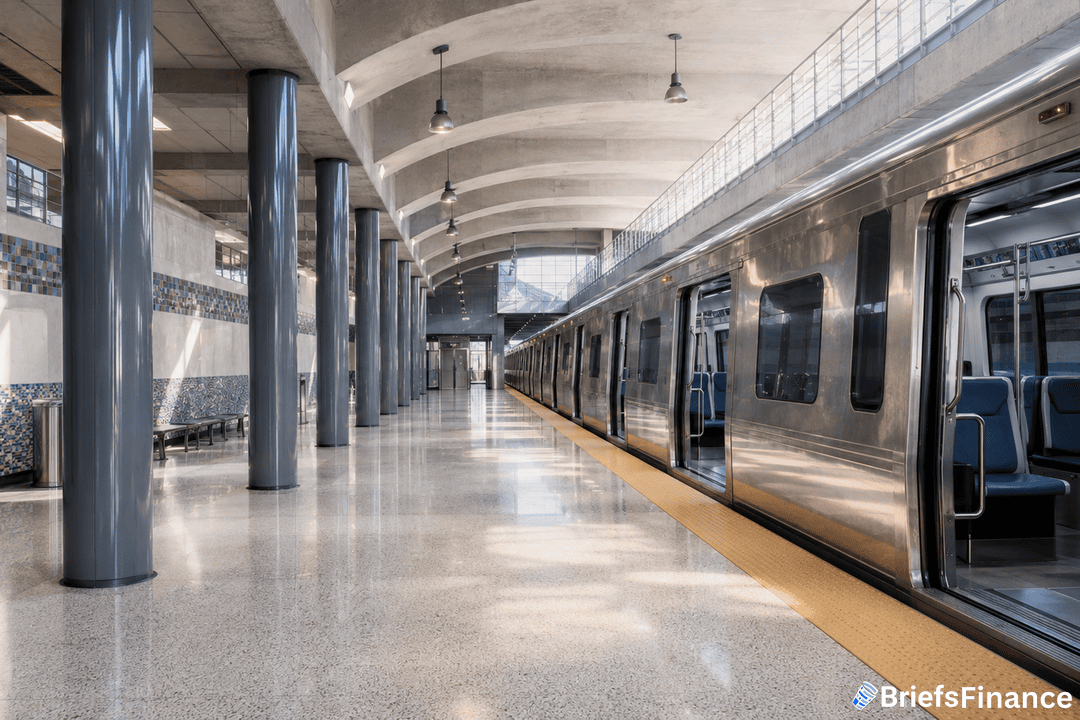
For three days, the country's busiest commuter rail was shut down - the first Long Island Rail Road strike in 32 years. The deal that ended it was reached late Monday, but nobody is saying what's actually in the contract.
What Happens Today
Limited service on the LIRR restarts around noon Tuesday, with full service expected back in time for the evening rush home.
The morning rush was a write-off, since the deal came in too late Monday night for trains to be running for the commute in. The LIRR is still telling riders to work from home if they can, and is running shuttle buses from a handful of Long Island stops to NYC subway stations.
Five unions representing roughly half the rail's workforce walked off the job at 12:01 a.m. Saturday, halting service for about 250,000 weekday commuters.
We make sense of the labor and policy news that quietly moves markets every morning in Market Briefs - delivered in five minutes, plus a free investing masterclass when you sign up.
The Contract Terms Are Being Kept Private
The contract details are being held back. Governor Kathy Hochul and railroad officials say they can't share specifics until union members vote on and approve the deal.
Hochul, who's up for reelection, said the agreement won't raise fares or taxes and gives unionized workers "fair wages" - that's the political message, with the actual numbers coming later.
Two issues stalled talks for two years. The unions and the MTA had been negotiating since 2023, stuck on wages and healthcare.
Unions said workers need raises to keep up with NYC-area cost of living, while the MTA argued the initial demands would force fare hikes and set a tough precedent for talks with other transit unions.
The Sports Calendar Helped End It
The walkout hit two big stretches of New York life. Baseball fans had to scramble to get to Citi Field for a Mets-Yankees series over the weekend, and basketball fans were next up.
The Knicks have a Tuesday night playoff game at Madison Square Garden, directly above the LIRR's Penn Station hub. That second deadline likely mattered politically, and Hochul leaned on the deal making sure basketball fans wouldn't get stranded.
For investors, the read is simpler. The MTA - facing political pressure, sports deadlines, and 250,000 stranded commuters - settled in three days, which sets a tone heading into the next round of transit negotiations.
What To Watch
The contract still has to be ratified by union members. That vote will reveal what Hochul actually agreed to on wages and healthcare, and if the deal looks generous, expect other transit and public-sector unions to push harder in their own negotiations.
Hochul's calculation worked for the LIRR. Whether it sticks is the next question.
For a daily read where labor news, politics, and markets all show up in one place, join 350,000+ investors reading Market Briefs - a 45-minute investing course is included when you join.