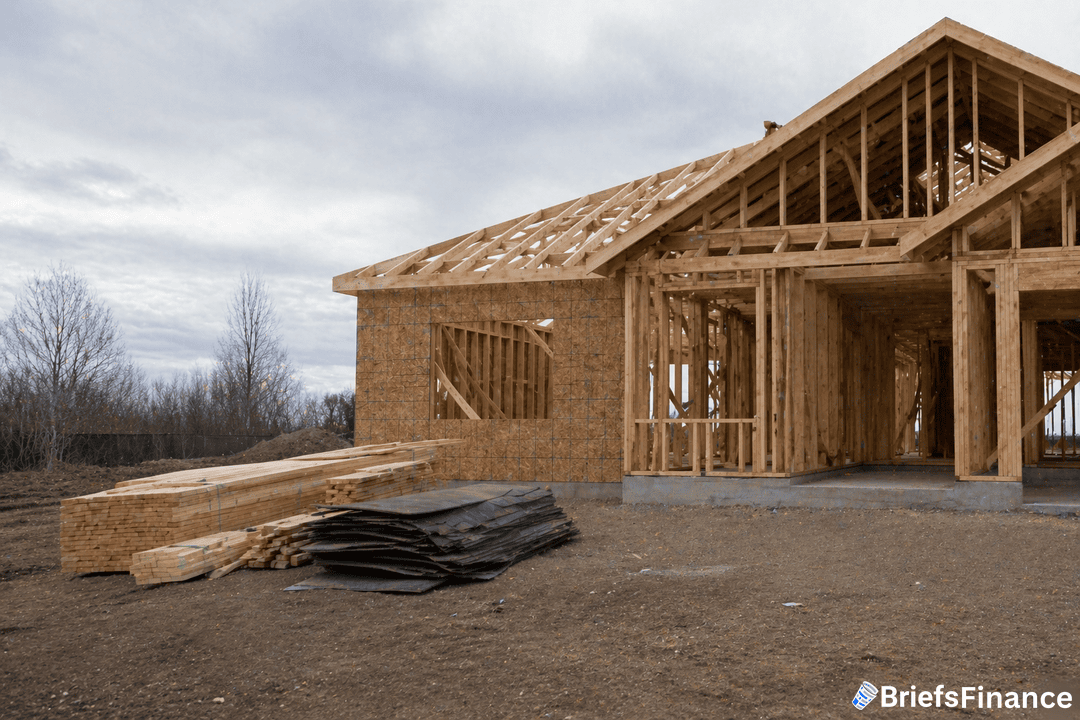
Every war in the Middle East eventually reaches suburban America, and this one is doing it through new home construction. The Iran war has pushed up mortgage rates, raised material costs, and dragged on homebuilder earnings all at once.
Spring is supposed to be the strongest stretch of the housing calendar. For D.R.
Horton, Lennar, KB Home, and most of their peers, it's turning into a cautionary quarter.
Mortgage Rates Climbed First
The 30-year fixed mortgage rate sat at 5.99% the day before the first US strikes on Iran, and it has since climbed to roughly 6.5%. That's a jump of about half a percentage point in a matter of days, driven by investors demanding higher yields on Treasury bonds as oil prices surged and inflation expectations reset higher.
For a buyer financing a $400,000 home purchase, a half-point move translates into roughly $130 in additional monthly payment. The number sounds small on paper, but it's enough to push buyers who were on the edge of affordability out of the market entirely.
The National Association of Realtors' latest agent survey shows 19% of agents now say affordability is pushing buyers out, up from 11% at the end of 2025.
Material Costs Followed
Oil is also showing up in the price of lumber, steel, concrete, and nearly every input that has to move by truck. 62% of homebuilders now say their suppliers have raised material costs because of higher fuel prices, according to the National Association of Home Builders. Those increases come on top of existing tariff pressure on imported materials, which was already elevated heading into 2026.
Builders are being squeezed from both ends. Transportation and material cost increases stack on top of tariff pressure, creating a combination that's hard to price for when contracts with buyers are locked in months before homes are finished.
NAHB's monthly homebuilder sentiment index fell to a seven-month low in April, which puts some data behind what builders have been saying privately for weeks. Why it compounds: When financing costs rise and construction costs rise at the same time, builders have fewer margin levers to pull.
They can't raise prices without losing buyers, and they can't cut costs quickly enough to absorb the hit.
Earnings Prove The Damage Is Real
The three biggest publicly traded US homebuilders - D.R. Horton, Lennar, and KB Home - all missed Q1 earnings expectations.
That's a rare three-for-three miss in what's typically the strongest selling season of the year. Revenue came in short, margins compressed, and guidance got walked back at all three companies.
The spring market was supposed to deliver a recovery after a difficult 2025, and instead it's pointing the other direction. Order volumes, cancellation rates, and average selling prices all moved the wrong way during the quarter.
Each miss individually might be noise. All three together is a trend.
What To Watch
Mortgage rates are the biggest single variable from here. A sustained ceasefire in the Middle East could bring rates back down quickly and reopen the market for buyers on the margin.
A stalled or escalating conflict keeps rates elevated and keeps pressure on new construction. Watch next month's NAHB builder sentiment index for any improvement, and monitor Q2 results from Toll Brothers and PulteGroup, which report later in the cycle.
If those miss too, the homebuilder story is no longer a warning - it's the broader setup for housing in 2026.