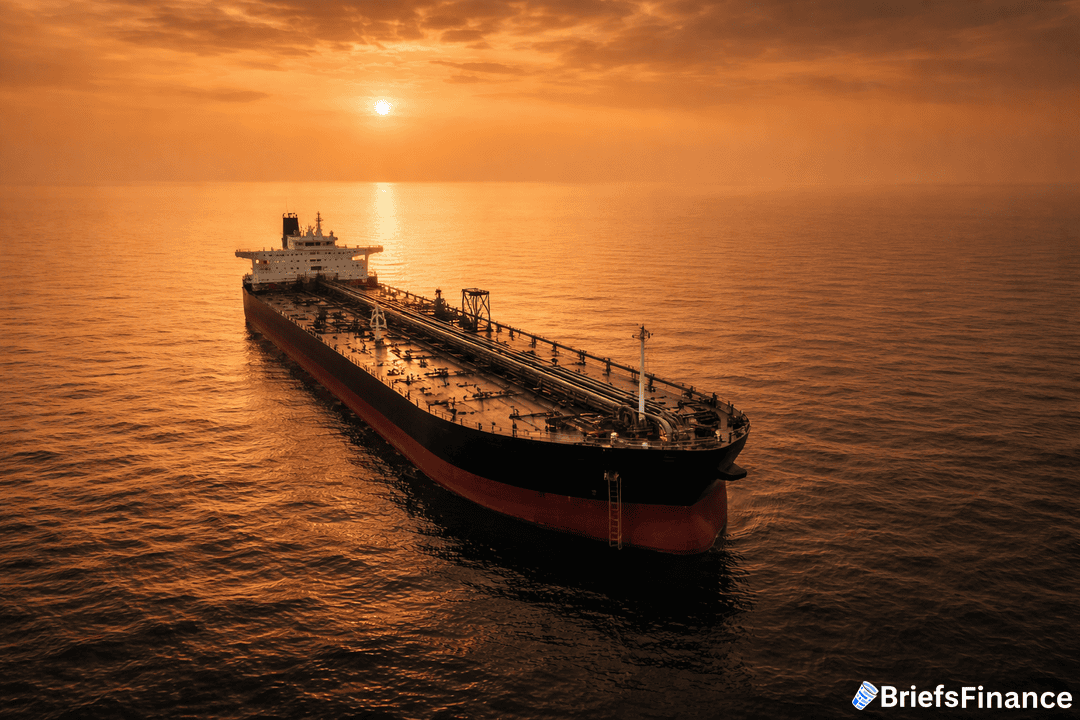
The world has never lost this much oil in a single month. Iran's closure of the Strait of Hormuz wiped out 10.1 million barrels per day in March, pushing the International Energy Agency to call it the most severe supply shock in the history of the global oil market.
A Complete Forecast Reversal
Just last month, the IEA predicted global oil supply would rise by 1.1 million barrels per day this year. Now it expects a drop of 1.5 million barrels per day - a swing of 2.6 million barrels in a single forecast update. Global demand will also shrink for the first time since the pandemic. The deepest cuts are hitting Asia-Pacific and the Middle East, where factories that turn oil into chemicals have been forced to slow down as raw materials dry up. Flight cancellations across Europe and Asia have sent jet fuel use into a free fall, adding to the demand drop.
Russia Is Cashing In
The twist: not every oil producer is hurting. The IEA noted that Russia's oil revenue rose in March thanks to the price spike, with Moscow benefiting from the same crisis that's squeezing everyone else. Meanwhile, U.S. gas prices have jumped to $4.11 a gallon on average, up $1.13 since the war started. North Sea crude hit $130 a barrel, sitting 37% above where it was before the first strikes.
What to Watch
The IEA said one thing matters more than anything else: whether the Strait of Hormuz reopens. Until it does, the agency warned that "energy markets and economies around the world need to brace for big disruptions." The U.S. announced a blockade of Iranian ports on Sunday after weekend peace talks in Islamabad fell apart.