There's an old idea in economics called the wealth effect. When investors feel richer, they spend more — even if their pay hasn't changed.
That idea used to be a footnote. Now it's the main story.
The Link Has Gotten Stronger
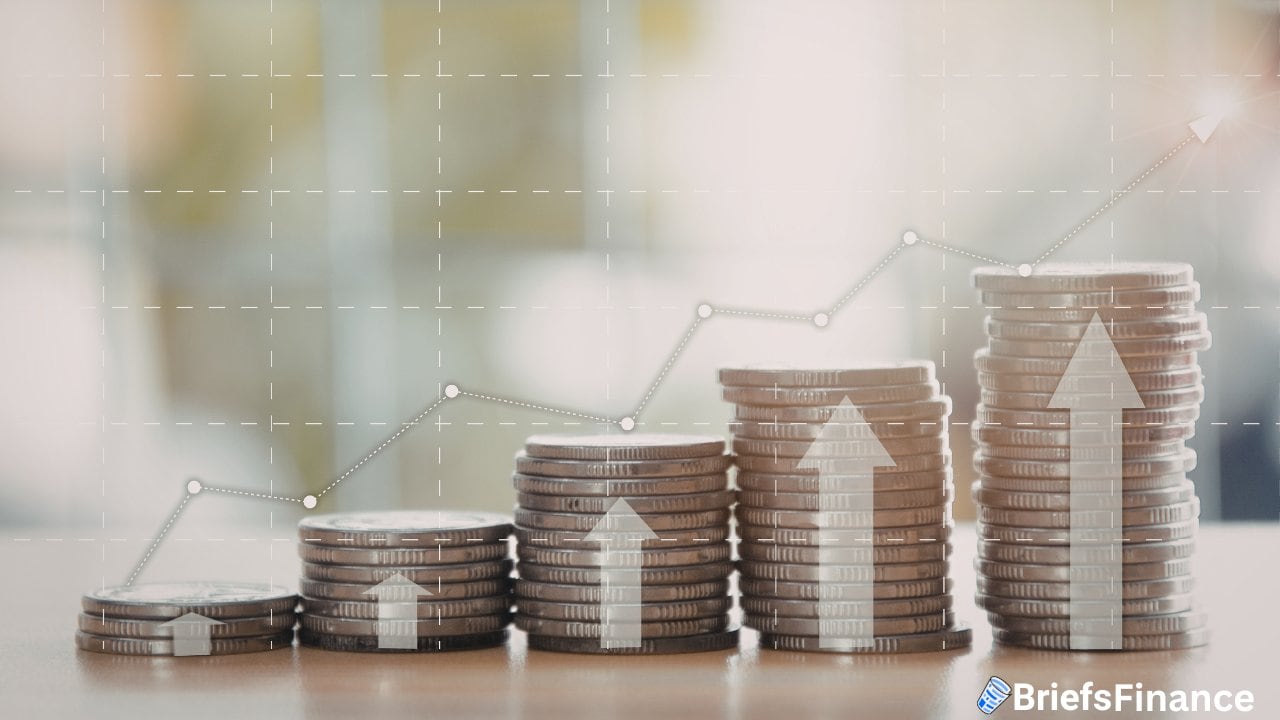
Oxford Economics ran the numbers. For every dollar that stock values go up, consumers now spend about 5 cents more.
Back in 2010, that same dollar of gains only led to about 2 cents of extra spending.
So the tie between stocks and spending has gotten about two and a half times tighter in just over ten years. And it's not spread across the board.
One Group Owns Almost All the Stocks
RBC Economics puts the number at 87%. That's the share of all company stocks held by the top fifth of earners.
So when the S&P 500 goes up, almost all of the spending boost lands with one group. And since that group already drives most of what consumers buy, the loop feeds on itself.
Stocks rise. The top group feels flush.
They book trips, buy nice things, fix up their homes. That spending shows up in company sales, lifts earnings, and pushes stocks higher.
It's like a wheel that spins faster on its own. Great on the way up — scary on the way down.
What It Means for Investors
If you own stocks, you're already part of this loop. Your gains help drive spending, which helps drive earnings, which help drive more gains.
But the flip side is real too. A wealth effect that's twice as strong also means the reverse hit is twice as strong — and it moves faster than it used to.
What to Watch
If stocks fall 10–15%, the group that's been holding up the economy could pull back fast.
Growth isn't coming from broad gains. It's coming from one group's returns — and the spending those returns unlock.