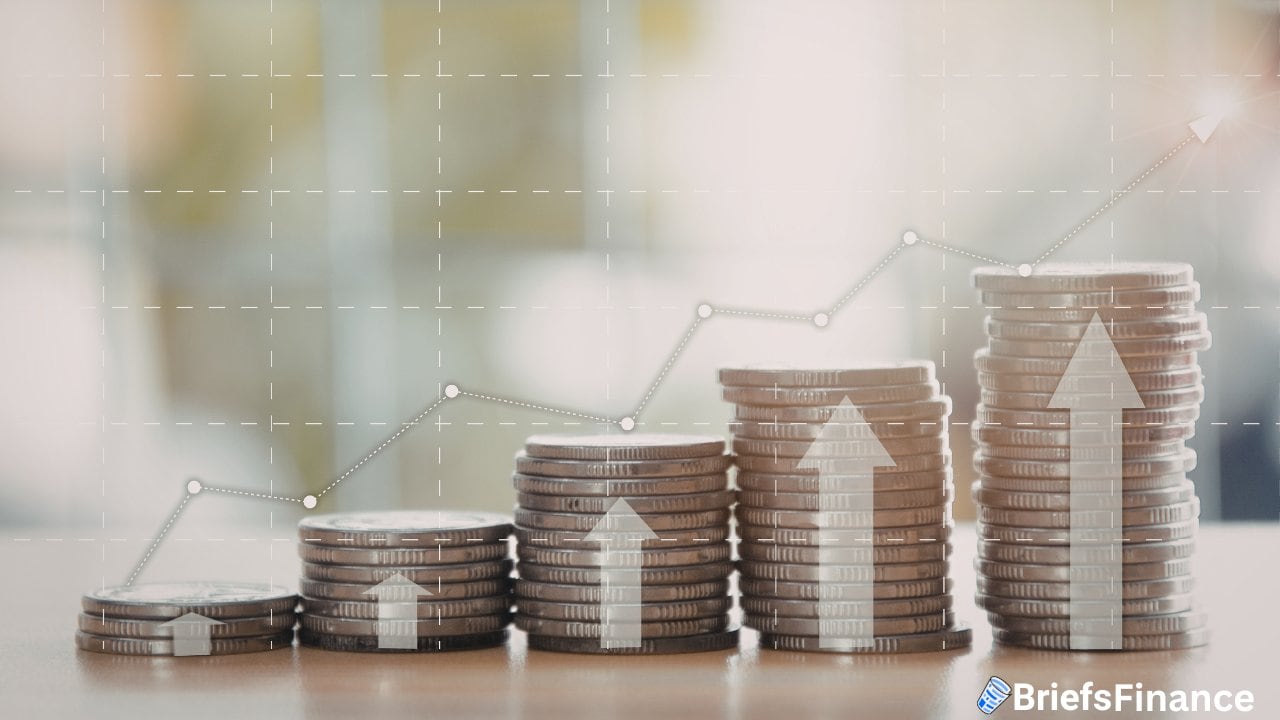
The stock market keeps hitting new highs. GDP looks fine.
Jobs are easy to find. But ask most consumers how they feel about money right now, and you'd think we were in a slump.
Two Takes on the Same Economy
Every month, the University of Michigan surveys consumers about how they see things. In February 2026, that score came in at 57.3.
That's up a bit. But in good times, that number usually sits above 90 — so 57 is still way off.
Here's what's odd. Investors who own stocks feel good — their mood has climbed right along with their account balances.
Consumers without stock holdings? They feel about the same as they did during the worst of the pandemic.
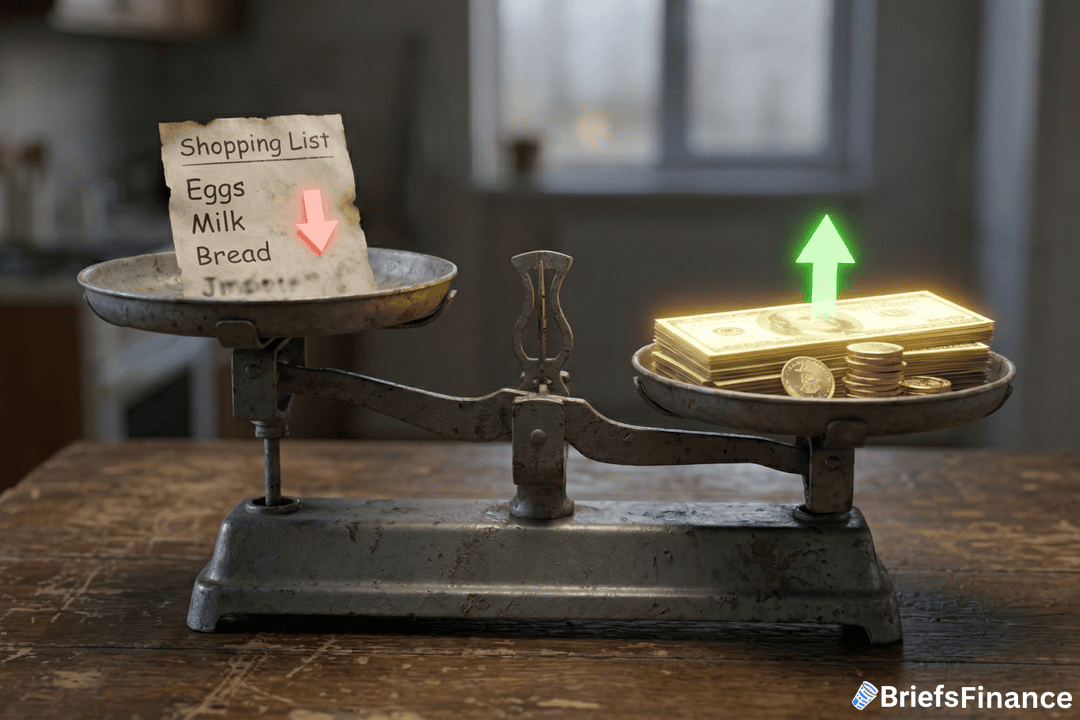
One group is riding a wave. The other is still stuck on the beach.
A Rare Split
About 6 in 10 consumers now say they think the market will keep going up. On its own, that sounds bullish.
But the outlook index — which tracks how consumers feel about their jobs, pay, and future — is stuck near where it sat in 2008 and the early months of COVID.
You almost never see both of those at the same time. Investors are betting on Wall Street while feeling lousy about their own lives.
When non-stock-owners stay this down for this long, it shows up in spending. Consumers who feel pinched don't buy cars, don't fix up their homes, and don't book trips.
That matters because spending drives about two-thirds of the whole economy.
Think of it like a house with a nice coat of paint but cracks in the base. It looks great from the curb — until you step inside.
The Investing Angle
This split makes things tricky for investors. Stock gains are keeping the big numbers strong.
But the base of shoppers who power everyday retail, food chains, and housing is running low on steam. Sectors tied to spending by middle- and lower-income buyers — think casual dining, mid-range retail, and entry-level cars — face the most risk if this gap holds.
What to Watch
The next few confidence readings will say a lot. If the gap between stock-owner optimism and everyday gloom keeps growing, headline GDP growth could start to mislead.
Markets can run on hype for a while. But the real economy runs on spending — and most spending starts with paychecks, not stock gains.