- A core-satellite portfolio splits investments into stable core holdings and higher-risk satellite picks.
- The core is usually 60% of the portfolio, with satellites at 40%.
- It blends passive index investing with active opportunity bets.

Michael O'Leary is not known for soft-pedaling his views.
This week, the Ryanair CEO did what he tends to do best. He called out his rivals and said some will not make it through the summer.
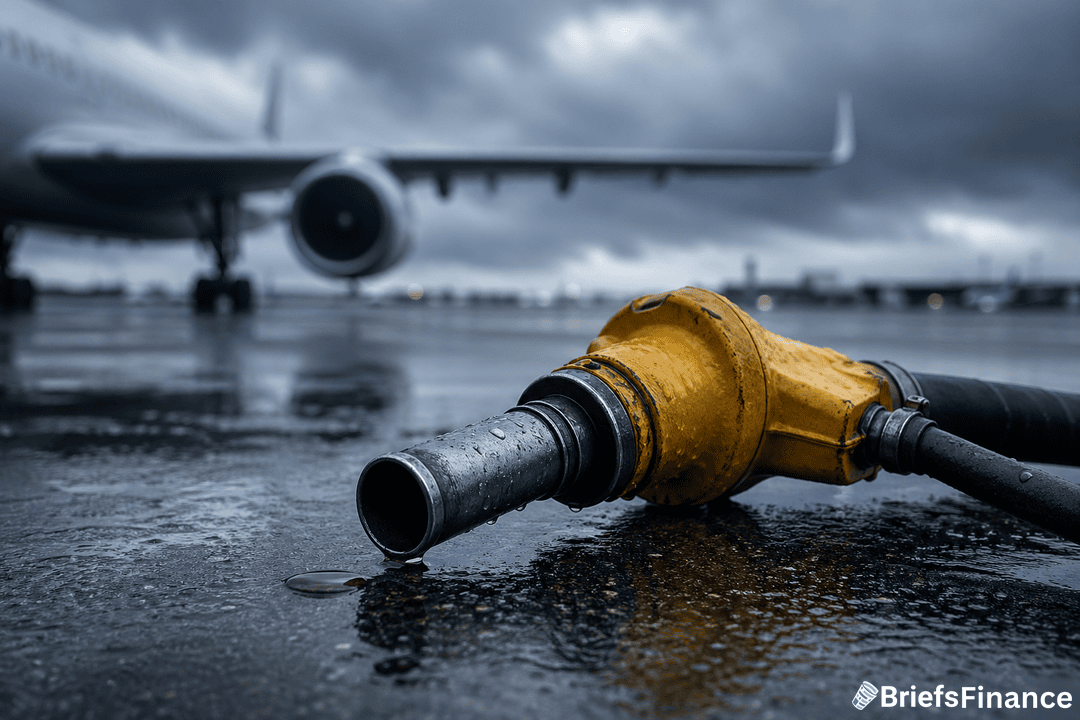
The trigger is jet fuel. The price has roughly doubled since March. A barrel of Jet A-1 was around $80 then, and it now sits at $150.
IATA's Jet Fuel Price Monitor put the weekly average even higher at $179 for the week ending April 24.
O'Leary's calm tone comes from one big number. Ryanair has locked in price for 80% of its summer fuel.
He spoke at a fund event in Oslo. He told CNBC there will be no fare hikes and no fuel fees for Ryanair flyers, no matter what happens with summer supply.
The bigger point was for investors. If jet fuel sits at $150 a barrel into July, August and September, "you'll see European airlines fail," he said.
He added that this would, in the medium term, "probably be good for Ryanair's business."
EasyJet has hedged 70% of its summer fuel at $706 a metric ton. The rest is still open to spot market price swings.
The carrier reported a headline loss of £540 to £560 million for the six months through March 31. It also warned of more flight cuts and higher fares.
Germany's Lufthansa is pulling 20,000 short-haul flights through October. The cut will save 40,000 metric tons of jet fuel and drop routes that lose money.
SAS is cancelling 1,000 flights in April, and KLM is cutting 80 more.
The Strait of Hormuz is the choke point for much of the world's oil and fuel exports. It has been blocked since the Middle East war began on Feb 28.
The IEA has warned Europe could face a jet fuel shortfall in as little as six weeks. The Middle East used to make up about 75% of the region's net jet fuel imports.
Ryanair stock is trading near recent lows along with the rest of the field. The math behind O'Leary's call is straight out of the airline playbook.
When fuel spikes, the carrier with the best hedges and the lowest cost base wins share. Weak rivals pull back or fold.
There were also some bright spots in his comments. He told CNBC that fears of a UK jet fuel shortage from a few weeks ago have eased.
He still wants the Strait of Hormuz to reopen "as quickly as possible."
Investors should also note what Ryanair did not promise. The hedge covers 80% of fuel, not all of it.
If the war drags on into next year, even Ryanair will face higher prices on the rest of its fuel needs.
The CEO also said Ryanair is "the best insulated, most hedged airline in Europe." That is a tag line aimed at investors as much as flyers.
If summer plays out the way he laid out, Ryanair gets a shorter route to that outcome.